
How Emotional Stress Shows Up as Physical Changes on the Face
Radhika Hitkari | Jan 15, 2026, 14:00 IST

stress
Image credit : freepik
In this article, we will discuss how stress affects your skin and the various ways. We will also explore practical strategies to prevent stress-related skin damage, including maintaining a consistent skincare routine, adopting a healthy lifestyle, and practicing stress-reducing techniques like meditation and yoga to keep your skin healthy and radiant.
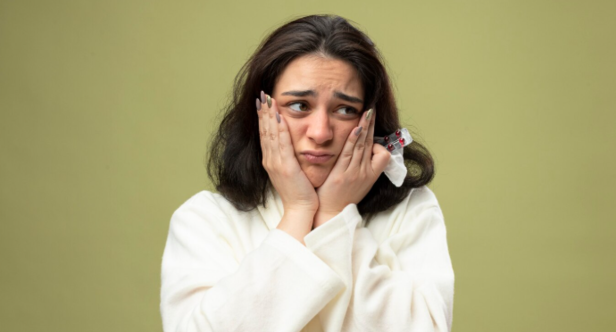
Stress has become one of the most common things that people face almost every day in their daily lives. An increase in stress levels not only disturbs the health of the person, but it also tends to show up on the face and skin, even if people don't express it when they are not in their best mood. Many factors can cause stress in a person's life; however, if people learn, they can deal with their stress and take preventive steps to feel better, which can keep them healthy and prevent their skin from damage.
How stress shows up on the skin
![Stress on skin]()
Acne breakouts: Stress levels in the body can lead to an increase in the cortisol hormones that can cause the breakout of acne or pimples on the skin. It can also trigger the production of oil and increase inflammation on the skin.
Uneven skin tone: When the levels of stress increase in the body, it causes a decrease in the circulation of blood and oxygen, which can make the skin appear tired and also lead to dullness in the skin.
Fine lines and wrinkles: Stress levels can lead to an increase in the signs of aging showing up on the face in the form of fine lines and wrinkle formation. The skin starts to lose its firmness, and there is a decrease in the production of collagen, which maintains the youth of the skin.
Redness and sensitivity: An increase in the stress levels of the body can make the skin vulnerable to certain skincare products and cause redness and irritation on the skin.
Puffiness and dark circles: Stress can often lead to a disturbance in the skin as people tend to disrupt their sleep cycle, which can lead to the formation of dark eye circles and puffiness around the eyes due to fluid retention.
Frown lines or jaw tension: When people are stressed, they tend to tighten their jaws, which causes tension in the muscles and leads to visible lines that form around the jaw. These frown lines can also form between the eyebrows and become so deep that they can make the face appear tense or tired all day.
How to prevent the signs of stress from showing up on the skin
Maintain a skincare routine: Focus on maintaining a healthy skincare routine that focuses on enhancing the skin barrier and protecting the skin from free radicals in the environment, such as dust or pollution, which can cause harm to the skin.
Focus on lifestyle: Make sure to maintain a healthy lifestyle by eating a balanced diet and drinking enough water to improve the hydration level of the skin. Also, maintain a healthy sleep cycle to prevent multiple types of diseases.
Reduce stress levels: Practice certain stress-reducing techniques such as meditation or yoga, which can help in keeping the body calm and prevent stress or anxiety.
Discover expert advice and the latest updates in skincare, hair care, wellness, dermatology, and more at Stay Young, a guide to lasting beauty and holistic health.
Frequently Asked Questions
How stress shows up on the skin
Stress on skin
Image credit : freepik
Acne breakouts: Stress levels in the body can lead to an increase in the cortisol hormones that can cause the breakout of acne or pimples on the skin. It can also trigger the production of oil and increase inflammation on the skin.
Uneven skin tone: When the levels of stress increase in the body, it causes a decrease in the circulation of blood and oxygen, which can make the skin appear tired and also lead to dullness in the skin.
Fine lines and wrinkles: Stress levels can lead to an increase in the signs of aging showing up on the face in the form of fine lines and wrinkle formation. The skin starts to lose its firmness, and there is a decrease in the production of collagen, which maintains the youth of the skin.
Redness and sensitivity: An increase in the stress levels of the body can make the skin vulnerable to certain skincare products and cause redness and irritation on the skin.
Puffiness and dark circles: Stress can often lead to a disturbance in the skin as people tend to disrupt their sleep cycle, which can lead to the formation of dark eye circles and puffiness around the eyes due to fluid retention.
Frown lines or jaw tension: When people are stressed, they tend to tighten their jaws, which causes tension in the muscles and leads to visible lines that form around the jaw. These frown lines can also form between the eyebrows and become so deep that they can make the face appear tense or tired all day.
How to prevent the signs of stress from showing up on the skin
Maintain a skincare routine: Focus on maintaining a healthy skincare routine that focuses on enhancing the skin barrier and protecting the skin from free radicals in the environment, such as dust or pollution, which can cause harm to the skin.
Focus on lifestyle: Make sure to maintain a healthy lifestyle by eating a balanced diet and drinking enough water to improve the hydration level of the skin. Also, maintain a healthy sleep cycle to prevent multiple types of diseases.
Reduce stress levels: Practice certain stress-reducing techniques such as meditation or yoga, which can help in keeping the body calm and prevent stress or anxiety.
Discover expert advice and the latest updates in skincare, hair care, wellness, dermatology, and more at Stay Young, a guide to lasting beauty and holistic health.
Frequently Asked Questions
- Can emotional trauma change your face?
When trauma alters your appearance even temporarily it can trigger profound questions about identity and self-worth. Even minor changes can feel significant when they affect how you see yourself in the mirror each day. - What does a traumatized face look like?
Depending on the type of injury, facial trauma can cause severe bleeding and swelling, a bruised face, and distorted appearance of the facial features. - What mental illness changes your face?
Normal facial asymmetries are reduced in both schizophrenia and bipolar disorder. These findings implicate loss of face-brain asymmetries in psychotic illness.