
Why Your Hair Needs Herbs More Than Expensive Treatments
Vaishnavi Mall | Feb 21, 2026, 20:00 IST

Hair Health Begins at the Scalp
Image credit : Freepik
Many individuals spend a lot of money on hair treatments in the hopes of seeing results right away, but the improvements are frequently temporary. The condition of the scalp and roots determines the true health of the hair. For generations, people have utilized herbs to organically nourish their hair. They strengthen hair from the inside out by working slowly yet deeply. This article describes how herbs aid the scalp, address common hair issues, and support long-term hair health without negative side effects, making them more advantageous than expensive therapies.
Today, hair issues like thinning, dandruff, dryness, and hair loss are quite frequent. Many resort to costly salon procedures and chemical remedies to address these problems. Although the benefits of these products typically wear off after a few washes, they promise rapid results. Hair might even weaken over time. Many individuals overlook the fact that the scalp is where hair health starts. For generations, people have utilized natural herbs to gently and effectively care for their hair. They strengthen hair gradually and organically, but they don't provide shine right away. Knowing the function of herbs can help you make better long-term hair care decisions.
How Herbs Nourish the Scalp Naturally
![Better Hair Growth]()
A healthy scalp is the foundation of healthy hair. Hair difficulties are inevitable if the scalp, which is where hair roots grow, is weak or inflamed. Herbs directly improve the condition of the scalp. Numerous plants have inherent relaxing and cooling qualities that lessen irritation and inflammation. This keeps the scalp clean and balanced. Herbs like amla improve blood circulation in the scalp, strengthening the roots of hair. More oxygen and nutrients enter the hair follicles when circulation is improved. This encourages the growth of thicker, more robust hair. Another herb that prevents infections and accumulation on the scalp is neem. It lessens extra oil without drying out the scalp and helps manage dandruff. Herbs do not deplete the scalp of its natural oils, in contrast to chemical products. Rather, they enhance the scalp's innate capacity for self-healing and defense. This eventually results in improved hair texture and healthier roots.
Chemical chemicals and salon treatments are made to provide effects quickly. They frequently apply silicone or other substances to the hair, giving it an instant glossy and silky appearance. But this gleam is really superficial. The hair underneath is still dry and fragile. Chemicals can cause breakage and damage to the hair cuticle with frequent application. Herbs function in a different way. It takes time for them to modify the hair. Rather, they enhance hair quality from the inside out. Slowly, herbal oils and masks enter the hair shaft and scalp. They naturally enhance moisture balance and fortify the roots. Hair thinning, increasing hair loss over time, and inflammation of the scalp are some negative effects of chemical treatments. Herbs are generally safe and gentle for long-term use. They don't force artificial alterations; instead, they let the hair develop at its own speed. This makes herbs a better option for people who want lasting hair health instead of short-term beauty.
![Herbs Can Naturally Improve]()
When used consistently and slowly, herbs are known to help with a variety of common hair issues. One of the most prevalent issues is hair loss. Herbs that strengthen hair roots and lessen breakage include amla and bhringraj. They lessen excessive shedding brought on by weak follicles and increase hair density. Dryness or fungal problems are frequently the cause of dandruff and an itchy scalp. Herbal treatments based on neem and tea tree aid in a mild scalp cleaning and flakes reduction without making the scalp dry. Herbs that deeply nourish hair can help with dry and frizzy hair. Hibiscus and aloe vera aid in retaining moisture and enhancing the smoothness of hair. Hair gets smoother and easier to handle with time. Another issue that many people worry about is premature greying. When taken regularly, several herbs promote the development of natural pigments and delay the onset of early greying.
Long Term Benefits of
![Long-Lasting Hair Results]()
The long-term effects of herbs are among their greatest benefits. Herbs aid in restoring natural balance, in contrast to pharmacological treatments that lead to dependency. There is less need for frequent products as hair gets healthier. Hair strength gradually increases with herbal treatment. Thickened hair strands are less likely to break. Stable hair growth is supported by improved scalp health. Additionally, hair texture improves with time, becoming softer and more naturally shiny. Sustainability is an additional advantage. Herbs are frequently inexpensive and widely accessible. They don't damage the hair or scalp when used for extended periods of time. They are therefore appropriate for individuals of all ages. Above all, herbs promote the general health of the scalp rather than concealing issues. Real progress that feels more organic and lasts longer results from this.
It is not difficult to begin a herbal hair routine. Small adjustments can have a significant impact. Using herbal oils once or twice a week is a good place to start. Oils containing herbs like bhringraj or amla provide the scalp with profound nourishment. Before showering, give the oil a light massage and let it sit for a while. Occasionally, you can apply herbal hair masks to add even more nutrients. It is simple to combine ingredients at home, such as fenugreek, hibiscus, or aloe vera. Chemical conditioners can be substituted with herbal rinses prepared from boiled plants. They naturally strengthen hair and increase its sheen. The secret is consistency. Although the benefits of using herbs take time to manifest, they are healthier and more long-lasting than short-term fixes.
1. Are herbal remedies really effective for hair growth?
Yes, herbal remedies support hair growth by improving scalp health, reducing hair fall, and strengthening roots. They work slowly but give long-lasting results when used regularly.
2. How long does it take to see results from herbal hair care?
Herbal treatments usually show visible improvement after four to eight weeks. Since they work naturally, patience and consistency are important.
3. Can herbs replace expensive salon hair treatments?
In many cases, yes. Herbs nourish hair from the root and improve scalp balance, while salon treatments mostly give temporary shine and smoothness.
4. Are herbal hair treatments safe for all hair types?
Most herbs are safe for all hair types, but sensitive scalps should always do a patch test before use to avoid irritation.
5. Do herbal oils and masks have side effects?
When used correctly, herbal oils and masks have very few side effects. Problems usually occur only with overuse or poor-quality products.
How Herbs Nourish the Scalp Naturally
Better Hair Growth
Image credit : Freepik
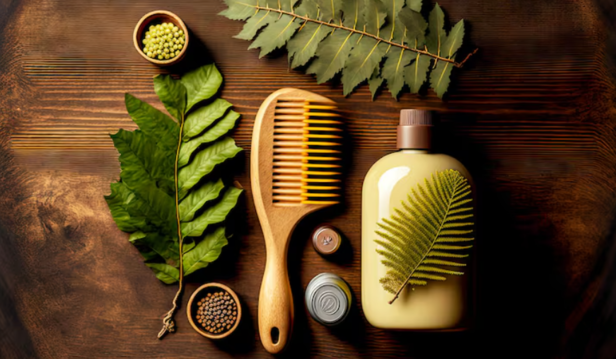
A healthy scalp is the foundation of healthy hair. Hair difficulties are inevitable if the scalp, which is where hair roots grow, is weak or inflamed. Herbs directly improve the condition of the scalp. Numerous plants have inherent relaxing and cooling qualities that lessen irritation and inflammation. This keeps the scalp clean and balanced. Herbs like amla improve blood circulation in the scalp, strengthening the roots of hair. More oxygen and nutrients enter the hair follicles when circulation is improved. This encourages the growth of thicker, more robust hair. Another herb that prevents infections and accumulation on the scalp is neem. It lessens extra oil without drying out the scalp and helps manage dandruff. Herbs do not deplete the scalp of its natural oils, in contrast to chemical products. Rather, they enhance the scalp's innate capacity for self-healing and defense. This eventually results in improved hair texture and healthier roots.
Herbs vs Chemical Treatments: What Is the Real Difference
Common Hair Problems That Herbs Can Help With
Herbs Can Naturally Improve
Image credit : Freepik
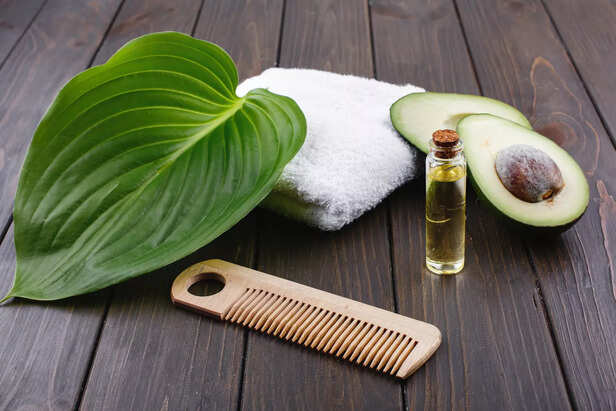
When used consistently and slowly, herbs are known to help with a variety of common hair issues. One of the most prevalent issues is hair loss. Herbs that strengthen hair roots and lessen breakage include amla and bhringraj. They lessen excessive shedding brought on by weak follicles and increase hair density. Dryness or fungal problems are frequently the cause of dandruff and an itchy scalp. Herbal treatments based on neem and tea tree aid in a mild scalp cleaning and flakes reduction without making the scalp dry. Herbs that deeply nourish hair can help with dry and frizzy hair. Hibiscus and aloe vera aid in retaining moisture and enhancing the smoothness of hair. Hair gets smoother and easier to handle with time. Another issue that many people worry about is premature greying. When taken regularly, several herbs promote the development of natural pigments and delay the onset of early greying.
Long Term Benefits of Herbal Hair Care
Long-Lasting Hair Results
Image credit : Freepik
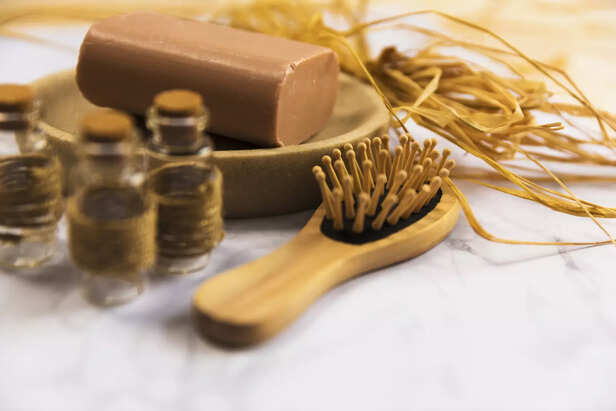
The long-term effects of herbs are among their greatest benefits. Herbs aid in restoring natural balance, in contrast to pharmacological treatments that lead to dependency. There is less need for frequent products as hair gets healthier. Hair strength gradually increases with herbal treatment. Thickened hair strands are less likely to break. Stable hair growth is supported by improved scalp health. Additionally, hair texture improves with time, becoming softer and more naturally shiny. Sustainability is an additional advantage. Herbs are frequently inexpensive and widely accessible. They don't damage the hair or scalp when used for extended periods of time. They are therefore appropriate for individuals of all ages. Above all, herbs promote the general health of the scalp rather than concealing issues. Real progress that feels more organic and lasts longer results from this.
How to Start Using Herbs in Your Hair Routine
Frequently Asked Questions (FAQs)
Yes, herbal remedies support hair growth by improving scalp health, reducing hair fall, and strengthening roots. They work slowly but give long-lasting results when used regularly.
2. How long does it take to see results from herbal hair care?
Herbal treatments usually show visible improvement after four to eight weeks. Since they work naturally, patience and consistency are important.
3. Can herbs replace expensive salon hair treatments?
In many cases, yes. Herbs nourish hair from the root and improve scalp balance, while salon treatments mostly give temporary shine and smoothness.
4. Are herbal hair treatments safe for all hair types?
Most herbs are safe for all hair types, but sensitive scalps should always do a patch test before use to avoid irritation.
5. Do herbal oils and masks have side effects?
When used correctly, herbal oils and masks have very few side effects. Problems usually occur only with overuse or poor-quality products.