
The Science Behind Ice Baths: Do They Aid Recovery?
Khushi | Sept 03, 2025, 17:18 IST

Ice Bath
Image credit : Freepik
This analysis delves into the physiology of cold water immersion, examining evidence that ice baths effectively reduce perceived muscle soreness and acute inflammation by constricting blood vessels and lowering nerve activity, offering a tangible recovery boost for athletes in competition. However, it also explores the significant controversy that this blunted inflammatory response may potentially hinder long-term muscle growth and strength adaptations by interfering with the body's natural recovery signaling.
Ice baths have become very popular in sports and fitness. Many athletes take a dip in freezing cold water after hard workouts. They say it makes their body feel fresh and less sore. But what does science really say about this? And is sitting in icy water really good for recovery?
When you go into an ice bath your body is shocked by the cold. This drops your skin temperature and makes the blood vessels smaller. Once you step out the vessels open up again pushing fresh blood quickly through your muscles. This is believed to wash away waste that builds up after exercise.
People also believe the cold can slow down swelling and pain. This may help the body deal with muscle stress better. But while the body feels relief scientists do not yet know how much of a good thing that really is.
![Ice bath for muscles]()
Many studies have tried to test the power of ice baths. Studies suggest that they can diminish muscle soreness within a day or two. That is why running through cold water often feels less painful for athletes. But other studies say the body’s long-term strength and growth might not improve much with ice baths.
This means that ice baths may work best for quick comfort not always for faster growth or bigger strength gains. For people training daily feeling less pain can be a big advantage. But if the goal is building muscle, some experts say too much cold can slow that process down.
Scientists also note that the mind plays a role. If an athlete believes an ice bath makes them recover faster their brain may help the body feel stronger. This shows how mental belief and science often go hand in hand.
![Ice therapy]()
When we feel pain after hard training the brain sends signals to rest. Ice baths numb these signals by making nerves less sensitive to pain. That is why you feel calmer after you get out. The cold also helps the body to release hormones, including adrenaline, that can enhance mood and focus.
This combo of body and brain recovery essentially turns ice baths not just physical but mental therapy. Athletes say they feel sharp and ready after the shock of cold water. In this way recovery is not just about the muscles but also how motivated and fresh a person feels.
Cold water is not magic. For some it can even feel uncomfortable or risky if not done safely. That is why experts suggest careful use rather than jumping in for long periods.
![Scientists Recommendation]()
Most sports scientists recommend that ice baths be kept short. 10–15 minutes in water that is roughly 10–15°C is typically safe. More is not always better and can even be harmful.
Ice baths are best done after very hard training or competition not after every light workout. This way, the body still has a chance to grow and adapt naturally. Food sleep and good hydration are also important tools for recovery and should not be ignored.
Another key point is listening to your own body. If cold water feels too hard or causes discomfort other recovery methods like stretching gentle walking or rest may be better.
![Athletes]()
The truth is that ice baths are not a perfect solution. They are one tool among many in sports science. For some people they bring fast relief and mental strength but for others they are not very useful.
Studies continue and perhaps one day the true effect of cold exposure will be revealed. In the meantime athletes and fitness enthusiasts can continue to utilize ice baths as one of several healthy habits.
Do ice baths really work? The answer depends on what recovery means to you less pain faster rest or bigger muscles. In the end, the science shows they can help but they are not the only key to good recovery.
When you go into an ice bath your body is shocked by the cold. This drops your skin temperature and makes the blood vessels smaller. Once you step out the vessels open up again pushing fresh blood quickly through your muscles. This is believed to wash away waste that builds up after exercise.
People also believe the cold can slow down swelling and pain. This may help the body deal with muscle stress better. But while the body feels relief scientists do not yet know how much of a good thing that really is.
Do Ice Baths Really Speed Up Muscle Recovery?
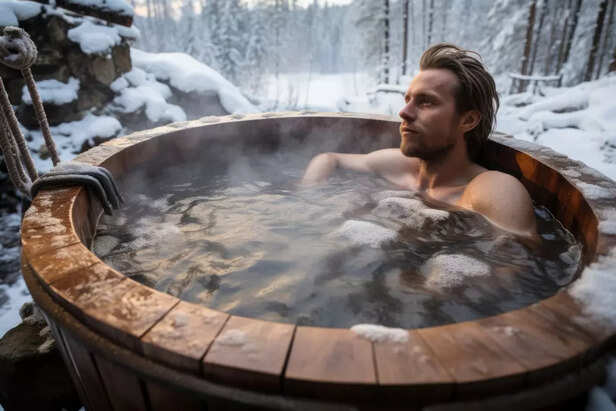
Ice bath for muscles
Image credit : Freepik
Many studies have tried to test the power of ice baths. Studies suggest that they can diminish muscle soreness within a day or two. That is why running through cold water often feels less painful for athletes. But other studies say the body’s long-term strength and growth might not improve much with ice baths.
This means that ice baths may work best for quick comfort not always for faster growth or bigger strength gains. For people training daily feeling less pain can be a big advantage. But if the goal is building muscle, some experts say too much cold can slow that process down.
Scientists also note that the mind plays a role. If an athlete believes an ice bath makes them recover faster their brain may help the body feel stronger. This shows how mental belief and science often go hand in hand.
The Role of the Brain and Body in Cold Therapy

Ice therapy
Image credit : Freepik
When we feel pain after hard training the brain sends signals to rest. Ice baths numb these signals by making nerves less sensitive to pain. That is why you feel calmer after you get out. The cold also helps the body to release hormones, including adrenaline, that can enhance mood and focus.
This combo of body and brain recovery essentially turns ice baths not just physical but mental therapy. Athletes say they feel sharp and ready after the shock of cold water. In this way recovery is not just about the muscles but also how motivated and fresh a person feels.
Cold water is not magic. For some it can even feel uncomfortable or risky if not done safely. That is why experts suggest careful use rather than jumping in for long periods.
How to Use Ice Baths Safely for Recovery
Scientists Recommendation
Image credit : Freepik
Most sports scientists recommend that ice baths be kept short. 10–15 minutes in water that is roughly 10–15°C is typically safe. More is not always better and can even be harmful.
Ice baths are best done after very hard training or competition not after every light workout. This way, the body still has a chance to grow and adapt naturally. Food sleep and good hydration are also important tools for recovery and should not be ignored.
Another key point is listening to your own body. If cold water feels too hard or causes discomfort other recovery methods like stretching gentle walking or rest may be better.
Are Ice Baths the Future of Athletic Recovery?

Athletes
Image credit : Freepik
The truth is that ice baths are not a perfect solution. They are one tool among many in sports science. For some people they bring fast relief and mental strength but for others they are not very useful.
Studies continue and perhaps one day the true effect of cold exposure will be revealed. In the meantime athletes and fitness enthusiasts can continue to utilize ice baths as one of several healthy habits.
Do ice baths really work? The answer depends on what recovery means to you less pain faster rest or bigger muscles. In the end, the science shows they can help but they are not the only key to good recovery.
Frequently Asked Questions
- What do 3 minutes in a ice bath do ?
Lower body temperature , trigger more blood flow to your core and helps in circulation of the blood throughout the body. - What are the disadvantaged of blood flow ?
It gives you shock , very high risks of hypothermia heart attack and frostbite. - Who should avoid ice bath?
People who have never tried CWI before, they should consult their doctors first.