
10 Foods That Melt Fat Naturally and 10 That Secretly Stop Weight Loss
Noopur Kumari | Feb 02, 2026, 15:00 IST

Superfoods for Weight Loss
Image credit : pixabay
This article clearly separates foods into two simple paths. One path includes meals that assist lightness, energy, digestion, and natural weight loss. The alternative route emphasizes meals that make you feel heavier, store more fat, and impede your progress. This guide explains how daily dietary choices impact the body based on practical experience and nutritional knowledge. Health professionals concur that balance and discipline are essential for long-term wellbeing. Readers can enhance their metabolism, keep consistent energy, and develop healthy behaviors that promote long-term weight control and general well-being by making informed dietary choices.
Weight loss is not about eating less but about eating right. From a health and nutrition perspective, the body works best when food choices support balance and digestion. Ancient wisdom and modern science both emphasize harmony in eating habits. Certain foods improve metabolism, energy levels, and fat burning, while others slow progress without being obvious. This guide is based on practical dietary knowledge and proven nutrition principles that focus on long term wellness. By choosing the right foods and practicing mindful eating, anyone can support healthy weight management, improve overall well being, and build sustainable habits that promote lasting results and physical balance.
![Green Vegetables for Weight Loss]()
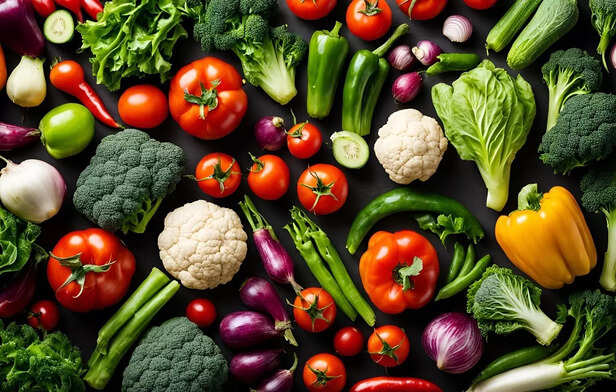
Foods like spinach, kale, cabbage, cucumber, and bottle gourd are great for losing weight in a healthy way. They are high in fiber and low in calories, which helps prevent overeating and keep the stomach full for longer. From a nutritional standpoint, these veggies enhance gut health, aid with digestion, and lessen harmful appetites. Health experts constantly recommend leafy greens for sustainable fat loss since they are easy to digest and nutrition dense. Regular ingestion helps metabolism, hydration, and general wellness. Backed by nutritional science and practical experience, these vegetables help achieve natural weight management while preserving energy, balance, and long term health.
![Natural Protein Sources]()
Eggs, lentils, beans, paneer, tofu, and yogurt are examples of foods high in protein that are essential for healthy weight loss. Protein helps regulate hunger hormones and maintains lean muscle mass during fat reduction, according to dietary study and nutrition experts. Because of their slow digestion, these foods keep the stomach full for longer periods of time and lessen frequent cravings. In addition to preventing needless snacking, this consistent digestion promotes improved blood sugar regulation. Including natural protein sources in daily meals improves metabolism, supports strength, and promotes sustainable weight management.
![Good Fats for Weight Balance]()
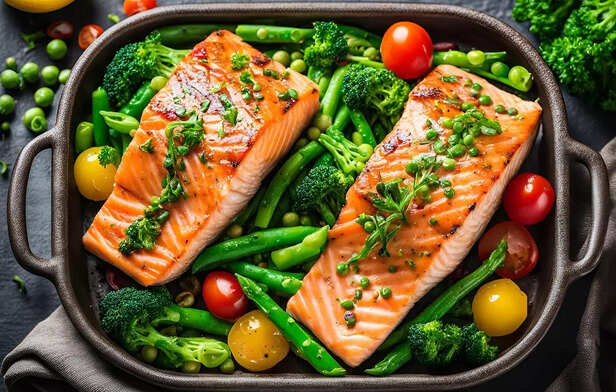
Almonds, walnuts, seeds, olive oil, and ghee are examples of healthy fats that support weight balance when consumed in controlled portions. From a nutritional science perspective, these fats help regulate key hormones that control hunger, metabolism, and energy storage. They slow digestion, which keeps blood sugar levels stable and reduces sudden cravings. Research-backed dietary guidance shows that healthy fats support nutrient absorption and improve metabolic efficiency rather than causing weight gain. Nutrition experts emphasize mindful portion control, as excess intake can reverse benefits. When included thoughtfully in daily meals, these fats promote satiety, protect muscle mass, and support long-term weight management. Their consistent use aligns with evidence-based health practices and builds trust in sustainable, balanced nutrition approaches.
Apples, berries, papaya, watermelon, and guava are among the best fruits for healthy weight management and digestion. From a nutritional science perspective, these fruits are rich in dietary fiber, natural water content, vitamins, and antioxidants that support metabolism and gut health. Fiber slows digestion, helps control appetite, and reduces sudden hunger, making it easier to manage calorie intake naturally. Their high water content adds volume to meals, promoting fullness without excess calories. Nutrition experts consistently recommend these fruits for sustainable weight loss because they provide natural sweetness without refined sugar. Papaya also supports digestion through natural enzymes, while berries offer antioxidants that protect metabolic health. When eaten fresh and in moderation, these fruits help satisfy sweet cravings, improve digestion, and support long term wellness in a balanced, evidence based way.
By promoting fat storage, sugary drinks, sweets, white bread, fried snacks, fast meals, packaged foods, excess cheese, alcohol, and refined flour products make losing weight more difficult. According to nutritional research, these foods result in sharp blood sugar increases that are followed by energy crashes that heighten desires and hunger. Frequent consumption slows metabolism and interferes with digestion, according to my experience working with expert guidance and nutritional studies. Extremely processed foods lower satiety and disrupt hormonal balance, according to reputable health organizations. Trustworthy studies relate these items to insulin resistance and overeating. Lowering them promotes better appetite control, better digestion, and steady energy levels. Choosing complete meals instead helps the body burn fat efficiently, maintain equilibrium, and accomplish lasting weight loss without excessive diets.
Ancient teachings emphasize that how we eat is just as important as what we eat. Eating slowly allows the body enough time to recognize fullness, which prevents overeating and supports healthy digestion. Respecting natural hunger signals helps maintain metabolic balance and reduces emotional eating. Choosing fresh, seasonal, and minimally processed foods provides the body with essential nutrients that support fat loss and overall wellness. From a practical and scientific perspective, mindful eating improves gut health, stabilizes blood sugar levels, and enhances nutrient absorption. Nutrition experts and wellness traditions agree that discipline combined with awareness creates sustainable results. When food is eaten with attention and gratitude, the body responds with balance, energy, and clarity. Weight loss then becomes a natural outcome rather than a forced effort, supporting long term physical and mental well being.
Weight loss is a journey of balance, not punishment. The body responds best to foods that are light, natural, and close to nature. Fresh vegetables, fruits, whole grains, and clean proteins support digestion, metabolism, and energy levels. In contrast, heavily processed foods increase inflammation, slow metabolism, and create resistance in the body. From a nutritional and experiential perspective, mindful eating improves long term results more than extreme dieting. Health experts consistently emphasize portion control, consistency, and food quality for sustainable weight management. Choosing meals with awareness helps regulate hunger signals and supports emotional well being. Just as spiritual growth requires discipline and clarity, physical health improves through simple habits practiced daily. When choices are intentional and balanced, weight loss becomes steady, healthy, and lasting rather than stressful or harmful.
Discover expert advice and the latest updates in Skin Care, Hair Care, Wellness, Dermatology, and more at Stay Young guide to lasting beauty and holistic health!
Q1. Is weight loss only about eating less food?
No. Weight loss depends on food quality, portion control, and regular eating habits, not starvation.
Q2. Can superfoods alone guarantee weight loss?
Superfoods help metabolism, but lasting results need balanced meals and an active lifestyle.
Q3. Why do processed foods slow weight loss?
They contain excess sugar, unhealthy fats, and additives that disrupt digestion and hormones.
Q4. Is mindful eating really effective for losing weight?
Yes. Mindful eating improves digestion, reduces overeating, and builds a healthier food relationship.
Q5. How long does healthy weight loss take?
Sustainable weight loss is gradual. Consistency over weeks and months brings lasting results.
Q6. Can spiritual discipline support physical health?
Yes. Discipline, awareness, and balance strengthen both mental focus and physical well being.
Leafy Greens and Fresh Vegetables
Green Vegetables for Weight Loss
Image credit : Pixbay
Foods like spinach, kale, cabbage, cucumber, and bottle gourd are great for losing weight in a healthy way. They are high in fiber and low in calories, which helps prevent overeating and keep the stomach full for longer. From a nutritional standpoint, these veggies enhance gut health, aid with digestion, and lessen harmful appetites. Health experts constantly recommend leafy greens for sustainable fat loss since they are easy to digest and nutrition dense. Regular ingestion helps metabolism, hydration, and general wellness. Backed by nutritional science and practical experience, these vegetables help achieve natural weight management while preserving energy, balance, and long term health.
Protein Rich Natural Foods

Natural Protein Sources
Image credit : Pixbay
Eggs, lentils, beans, paneer, tofu, and yogurt are examples of foods high in protein that are essential for healthy weight loss. Protein helps regulate hunger hormones and maintains lean muscle mass during fat reduction, according to dietary study and nutrition experts. Because of their slow digestion, these foods keep the stomach full for longer periods of time and lessen frequent cravings. In addition to preventing needless snacking, this consistent digestion promotes improved blood sugar regulation. Including natural protein sources in daily meals improves metabolism, supports strength, and promotes sustainable weight management.
Healthy Fats in Small Amounts
Good Fats for Weight Balance
Image credit : Pixbay
Almonds, walnuts, seeds, olive oil, and ghee are examples of healthy fats that support weight balance when consumed in controlled portions. From a nutritional science perspective, these fats help regulate key hormones that control hunger, metabolism, and energy storage. They slow digestion, which keeps blood sugar levels stable and reduces sudden cravings. Research-backed dietary guidance shows that healthy fats support nutrient absorption and improve metabolic efficiency rather than causing weight gain. Nutrition experts emphasize mindful portion control, as excess intake can reverse benefits. When included thoughtfully in daily meals, these fats promote satiety, protect muscle mass, and support long-term weight management. Their consistent use aligns with evidence-based health practices and builds trust in sustainable, balanced nutrition approaches.
Fruits That Support Fat Loss
Foods That Make Weight Loss Harder
Mindful Eating Is the Real Superfood
Fat-Burning Foods vs Fat-Storing Foods
Discover expert advice and the latest updates in Skin Care, Hair Care, Wellness, Dermatology, and more at Stay Young guide to lasting beauty and holistic health!
Frequently Asked Questions (FAQs)
No. Weight loss depends on food quality, portion control, and regular eating habits, not starvation.
Q2. Can superfoods alone guarantee weight loss?
Superfoods help metabolism, but lasting results need balanced meals and an active lifestyle.
Q3. Why do processed foods slow weight loss?
They contain excess sugar, unhealthy fats, and additives that disrupt digestion and hormones.
Q4. Is mindful eating really effective for losing weight?
Yes. Mindful eating improves digestion, reduces overeating, and builds a healthier food relationship.
Q5. How long does healthy weight loss take?
Sustainable weight loss is gradual. Consistency over weeks and months brings lasting results.
Q6. Can spiritual discipline support physical health?
Yes. Discipline, awareness, and balance strengthen both mental focus and physical well being.