
Is Yoga the Secret to a Pain Free Spine
Vaishnavi Mall | Mar 05, 2026, 11:28 IST

Yoga Is the Best Workout
Image credit : Freepik
Many people go out to maintain their fitness, get stronger, or reduce weight, but they frequently forget that the spine requires extra care. Yoga is more than just a flexibility exercise; it has a profound effect on spinal health that most other forms of exercise cannot. Yoga maintains a healthy, pain-free, and flexible spine by allowing the spine to move in all directions, strengthening stabilizing muscles, lowering compression, enhancing posture, and connecting breath with movement. This article describes how yoga is better for the spine than regular gym exercises and how small routines can have a significant impact over time.
The base of your body is your spine. It facilitates all of your movements, supports your weight, and shields your nerves. However, the majority of exercises ignore the spine in favor of concentrating on muscles or cardio. Yoga provides an alternative. It moves, extends, and strengthens the spine from the inside out rather than only increasing its outward strength. This exercise eventually helps avoid discomfort, stiffness, and bad posture. Additionally, it strengthens muscles that traditional exercises cannot perform. Yoga increases spine health, increases flexibility, and permits the body to operate freely and comfortably by fusing focused breathing with gentle movement.
![Your Spine Flexible]()
The majority of exercises are linear. The primary motions of running, weightlifting, and cycling are forward and backward, with occasional side-to-side motion. The spine, however, is designed to bend, twist, and rotate in multiple directions. The spine is flexed, extended, twisted, and side-bent in a number of yoga positions. The vertebrae are kept flexible and the discs between them are nourished by this multidirectional movement. The spine stays mobile and avoids stiffness when it travels in all directions. A flexible spine becomes more durable, lighter, and less constricted over time. Regular yoga practitioners frequently report that reaching, twisting, and bending get easier and more pleasant.
Yoga targets smaller stabilizing muscles, whereas most workouts concentrate on larger muscles like the back or abdomen. These muscles are essential for preserving correct alignment and supporting the spine. Robust stabilizers aid in pain relief, injury prevention, and posture correction. Yoga trains these muscles to cooperate by gently but steadily engaging them. Yoga safely strengthens the core, unlike hard lifting, which can occasionally cause spinal pain if done improperly. Your back will eventually feel organically supported, and routine actions like lifting, sitting, and prolonged standing are less likely to cause compression or imbalance in the spine.
![Yoga Relieves Spine]()
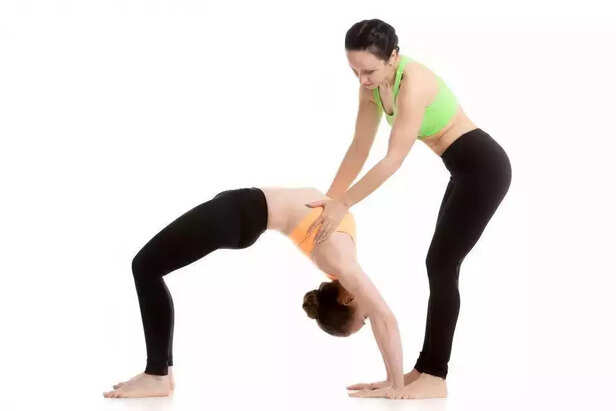
Many people use their phones, stare at displays, or sit at computers for hours on end. This behavior tightens the surrounding muscles, flattens the discs, and compresses the spine. By allowing room between the vertebrae, yoga reverses these consequences. Cobra and bridge postures, which lengthen the spine, ease pressure on the discs. Shoulder and back stiffness can be released with twisting exercises. The spine can be safely stretched and lengthened with gentle forward folds. Regular practice gradually increases flexibility, decreases stiffness, and makes you feel lighter and taller. In addition to strengthening muscles, yoga relieves stress brought on by inactive lifestyles.
It Improves Posture Without Forcing the Body
Poor posture is a regular occurrence. Many people stand with their weight distributed unevenly, slouch while sitting, or bend over displays. While yoga focuses on alignment and awareness, gym workouts tend to emphasize muscles that are visible. Yoga helps the spine to rediscover its natural equilibrium rather than pushing the body into a straight position. The body learns to relax while remaining upright and where to store stress with regular practice. Good posture becomes natural rather than rigid. Walking, sitting, and standing become natural over time, and the spine is shielded from needless stress.
![Protect and Strengthen Your Spine]()
When working out, breathing is frequently neglected. Every movement in yoga is connected to the breath, which has a significant impact on spinal health. Tension that can compress the spine is lessened by deep, conscious breathing that eases tense muscles in the shoulders and back. The spine automatically lengthens as you extend and inhale. Muscles softly relax when you exhale and twist or fold. This link keeps the spine from becoming suddenly stiff or strained and promotes smooth movement. Another benefit of breath awareness is that it lowers stress, which is a contributing reason to back discomfort. The spine grows stronger, more relaxed, and more flexible when breath and movement are combined.
The Long-Term Benefits of Yoga for the Spine
Yoga promotes long-term spinal health in contrast to short-term workouts. Frequent practice promotes good alignment, increases mobility, improves posture, and lowers the chance of back injury. Additionally, it nourishes connective tissues, increases circulation to the spinal discs, and lessens stiffness brought on by sedentary lifestyles. Regular yoga practitioners report that their movements are smoother, their spine feels better supported, and they get over small aches more quickly. Yoga is the best exercise for spinal care because it not only strengthens the muscles that are visible, but it also helps the spine return to its original function.
Discover expert advice and the latest updates in Skin Care, Hair Care, Wellness, Dermatology, and more at Stay Young guide to lasting beauty and holistic health!
1. Can yoga really help reduce back pain?
Yes, yoga can help reduce back pain by improving flexibility, strengthening core muscles, and supporting better posture. Gentle and consistent practice can ease stiffness and improve spinal alignment over time.
2. How often should I practice yoga for spine health?
Practicing yoga three to four times a week is usually enough to see benefits. Even short sessions of 15 to 20 minutes can improve mobility and reduce tension in the back.
3. Which yoga poses are best for a healthy spine?
Poses like Cat Cow, Child’s Pose, Cobra, and Downward Facing Dog are commonly recommended for spine mobility and strength. These poses gently stretch and support the back muscles.
4. Is yoga safe for people with chronic back pain?
Yoga can be safe, but it is important to choose gentle poses and avoid deep twists or intense backbends. Consulting a doctor or certified yoga instructor is recommended for people with chronic pain.
5. How long does it take to notice improvement in spine health with yoga?
Some people feel relief within a few weeks of regular practice. Long term improvement usually comes with consistent effort, proper technique, and mindful breathing.
Yoga Moves the Spine in All Directions
Your Spine Flexible
Image credit : Freepik
The majority of exercises are linear. The primary motions of running, weightlifting, and cycling are forward and backward, with occasional side-to-side motion. The spine, however, is designed to bend, twist, and rotate in multiple directions. The spine is flexed, extended, twisted, and side-bent in a number of yoga positions. The vertebrae are kept flexible and the discs between them are nourished by this multidirectional movement. The spine stays mobile and avoids stiffness when it travels in all directions. A flexible spine becomes more durable, lighter, and less constricted over time. Regular yoga practitioners frequently report that reaching, twisting, and bending get easier and more pleasant.
It Strengthens Deep Support Muscles Around the Spine
Yoga Reduces Compression Caused by Sitting and Screens

Yoga Relieves Spine
Image credit : Freepik
Many people use their phones, stare at displays, or sit at computers for hours on end. This behavior tightens the surrounding muscles, flattens the discs, and compresses the spine. By allowing room between the vertebrae, yoga reverses these consequences. Cobra and bridge postures, which lengthen the spine, ease pressure on the discs. Shoulder and back stiffness can be released with twisting exercises. The spine can be safely stretched and lengthened with gentle forward folds. Regular practice gradually increases flexibility, decreases stiffness, and makes you feel lighter and taller. In addition to strengthening muscles, yoga relieves stress brought on by inactive lifestyles.
It Improves Posture Without Forcing the Body
Yoga Connects Breath With Spinal Movement

Protect and Strengthen Your Spine
Image credit : Freepik
When working out, breathing is frequently neglected. Every movement in yoga is connected to the breath, which has a significant impact on spinal health. Tension that can compress the spine is lessened by deep, conscious breathing that eases tense muscles in the shoulders and back. The spine automatically lengthens as you extend and inhale. Muscles softly relax when you exhale and twist or fold. This link keeps the spine from becoming suddenly stiff or strained and promotes smooth movement. Another benefit of breath awareness is that it lowers stress, which is a contributing reason to back discomfort. The spine grows stronger, more relaxed, and more flexible when breath and movement are combined.
The Long-Term Benefits of Yoga for the Spine
Discover expert advice and the latest updates in Skin Care, Hair Care, Wellness, Dermatology, and more at Stay Young guide to lasting beauty and holistic health!
Frequently Asked Questions (FAQs)
Yes, yoga can help reduce back pain by improving flexibility, strengthening core muscles, and supporting better posture. Gentle and consistent practice can ease stiffness and improve spinal alignment over time.
2. How often should I practice yoga for spine health?
Practicing yoga three to four times a week is usually enough to see benefits. Even short sessions of 15 to 20 minutes can improve mobility and reduce tension in the back.
3. Which yoga poses are best for a healthy spine?
Poses like Cat Cow, Child’s Pose, Cobra, and Downward Facing Dog are commonly recommended for spine mobility and strength. These poses gently stretch and support the back muscles.
4. Is yoga safe for people with chronic back pain?
Yoga can be safe, but it is important to choose gentle poses and avoid deep twists or intense backbends. Consulting a doctor or certified yoga instructor is recommended for people with chronic pain.
5. How long does it take to notice improvement in spine health with yoga?
Some people feel relief within a few weeks of regular practice. Long term improvement usually comes with consistent effort, proper technique, and mindful breathing.