
The Muscle Building Mistakes Most Men Still Make
Abhishek Singh | Jul 29, 2026, 15:23 IST

The Biggest Muscle Building Mistakes Men Still Make
Image credit : FreePik
Building muscle is not just about lifting heavier weights. Many men unknowingly make training, nutrition, and recovery mistakes that slow muscle growth. From poor workout techniques to inadequate protein and sleep, these habits can limit your progress. Learning how to avoid these common muscle building mistakes will help you gain strength, recover better, and achieve more consistent fitness results.
Many men spend months in the gym without seeing the muscle growth they expected. While it is easy to blame genetics or workout programs, the real problem often comes from everyday habits. Skipping recovery, eating too little protein, lifting with poor technique, or constantly changing workouts can all limit progress. Building muscle is a gradual process that requires patience, consistency, and smart training. Understanding the most common mistakes can help you make every workout more effective.
Many people enter the gym and perform random exercises without following a structured workout plan. While any movement is better than none, muscle growth depends on progressive overload. This means gradually increasing the challenge placed on your muscles over time. Following a balanced strength training program helps ensure every major muscle group receives enough attention. Tracking your exercises, weights, and repetitions also makes it easier to measure progress and stay motivated.
![Muscle Growth Starts With Protein on Your Plate]()
Protein provides the building blocks your muscles need to repair and grow after exercise. Many men work hard in the gym but fail to consume enough high-quality protein throughout the day. Including lean meat, eggs, fish, dairy products, beans, lentils, tofu, and other protein-rich foods in your meals supports muscle recovery. Spreading protein intake across multiple meals may also help maintain muscle protein synthesis throughout the day.
![Muscles Grow During Rest, Not During Reps]()
Muscles do not grow while you are lifting weights. They grow during recovery. Training the same muscles every day without giving them enough time to recover may reduce performance and increase the risk of injury. Getting adequate sleep, staying hydrated, and allowing muscles to rest between intense workouts helps support better recovery and long-term muscle growth. Recovery should be considered an essential part of every fitness routine.
![Bad Form Cancels Out Heavy Weight]()
Many men believe heavier weights always produce better results. However, poor lifting technique reduces muscle activation and increases the risk of injury. Controlled movements with proper form often stimulate muscles more effectively than using excessive weight. Learning correct exercise technique, maintaining good posture, and focusing on quality repetitions can improve strength while keeping workouts safe.
Compound exercises work several muscle groups at the same time, making them highly effective for building overall strength and muscle. Exercises such as squats, deadlifts, bench presses, rows, and overhead presses recruit multiple muscles and improve coordination. While isolation exercises have their place, relying only on them may slow overall progress. A balanced workout should include both compound and isolation movements.
One of the biggest reasons men stop gaining muscle is doing the same workout with the same weights every week. Your muscles need a gradually increasing challenge to continue growing. This principle is known as progressive overload. You can achieve it by lifting slightly heavier weights, performing more repetitions, improving your technique, or increasing training volume over time. Small, consistent improvements place new demands on your muscles, encouraging them to become stronger and larger while reducing the chances of hitting a fitness plateau.
Muscle growth takes time. Many beginners expect visible changes within a few weeks and become discouraged when progress seems slow. Building quality muscle requires consistent training, proper nutrition, and adequate recovery over several months. Taking progress photos, tracking strength improvements, and measuring body composition often provide a better picture of success than relying only on the bathroom scale.
Water is essential for muscle performance, recovery, and overall health. Even mild dehydration can reduce strength, endurance, and workout performance, making it harder to train effectively. Proper hydration also helps transport nutrients to your muscles and supports normal muscle function during exercise. Drinking enough water throughout the day, especially before and after workouts, can improve energy levels and recovery. Combined with balanced nutrition and regular strength training, staying hydrated helps create the right environment for healthy muscle growth and better fitness results.
Quality sleep allows your body to repair muscle tissue and regulate hormones involved in muscle growth. Chronic stress and poor sleep may affect recovery, energy levels, and workout performance. Creating a regular sleep schedule, managing stress, and avoiding excessive late-night screen time can improve both recovery and overall fitness.
The best workout program is the one you can follow consistently. Missing an occasional workout or enjoying a treat will not ruin your progress. However, constantly changing routines or quitting after a few weeks often prevents meaningful muscle growth. Building muscle is a long-term commitment. Small improvements repeated over months produce far better results than short periods of extreme effort.
Discover expert advice and the latest updates in Skin Care, Hair Care, Wellness, Dermatology, and more at Stay Young guide to lasting beauty and holistic health.
Training Without a Clear Plan
Many people enter the gym and perform random exercises without following a structured workout plan. While any movement is better than none, muscle growth depends on progressive overload. This means gradually increasing the challenge placed on your muscles over time. Following a balanced strength training program helps ensure every major muscle group receives enough attention. Tracking your exercises, weights, and repetitions also makes it easier to measure progress and stay motivated.
Not Eating Enough Protein
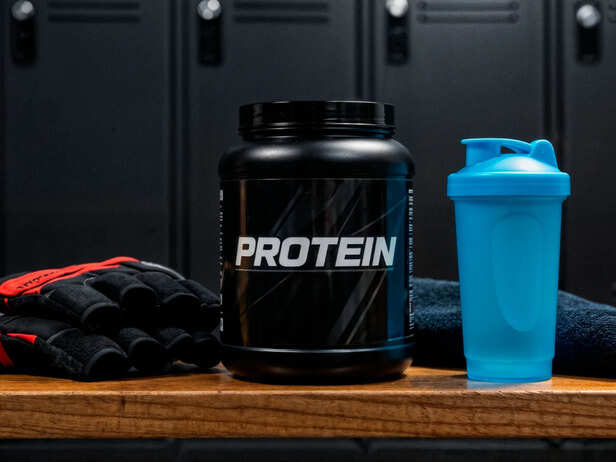
Muscle Growth Starts With Protein on Your Plate
Image credit : FreePik
Protein provides the building blocks your muscles need to repair and grow after exercise. Many men work hard in the gym but fail to consume enough high-quality protein throughout the day. Including lean meat, eggs, fish, dairy products, beans, lentils, tofu, and other protein-rich foods in your meals supports muscle recovery. Spreading protein intake across multiple meals may also help maintain muscle protein synthesis throughout the day.
Ignoring Recovery Between Workouts

Muscles Grow During Rest, Not During Reps
Image credit : FreePik
Muscles do not grow while you are lifting weights. They grow during recovery. Training the same muscles every day without giving them enough time to recover may reduce performance and increase the risk of injury. Getting adequate sleep, staying hydrated, and allowing muscles to rest between intense workouts helps support better recovery and long-term muscle growth. Recovery should be considered an essential part of every fitness routine.
Lifting Heavy With Poor Technique

Bad Form Cancels Out Heavy Weight
Image credit : FreePik
Many men believe heavier weights always produce better results. However, poor lifting technique reduces muscle activation and increases the risk of injury. Controlled movements with proper form often stimulate muscles more effectively than using excessive weight. Learning correct exercise technique, maintaining good posture, and focusing on quality repetitions can improve strength while keeping workouts safe.
Skipping Compound Exercises
Compound exercises work several muscle groups at the same time, making them highly effective for building overall strength and muscle. Exercises such as squats, deadlifts, bench presses, rows, and overhead presses recruit multiple muscles and improve coordination. While isolation exercises have their place, relying only on them may slow overall progress. A balanced workout should include both compound and isolation movements.
Progressive Overload Is the Key to Building Muscle
One of the biggest reasons men stop gaining muscle is doing the same workout with the same weights every week. Your muscles need a gradually increasing challenge to continue growing. This principle is known as progressive overload. You can achieve it by lifting slightly heavier weights, performing more repetitions, improving your technique, or increasing training volume over time. Small, consistent improvements place new demands on your muscles, encouraging them to become stronger and larger while reducing the chances of hitting a fitness plateau.
Expecting Results Too Quickly
Muscle growth takes time. Many beginners expect visible changes within a few weeks and become discouraged when progress seems slow. Building quality muscle requires consistent training, proper nutrition, and adequate recovery over several months. Taking progress photos, tracking strength improvements, and measuring body composition often provide a better picture of success than relying only on the bathroom scale.
Hydration Plays a Bigger Role Than Most Men Think
Water is essential for muscle performance, recovery, and overall health. Even mild dehydration can reduce strength, endurance, and workout performance, making it harder to train effectively. Proper hydration also helps transport nutrients to your muscles and supports normal muscle function during exercise. Drinking enough water throughout the day, especially before and after workouts, can improve energy levels and recovery. Combined with balanced nutrition and regular strength training, staying hydrated helps create the right environment for healthy muscle growth and better fitness results.
Forgetting About Sleep and Stress
Quality sleep allows your body to repair muscle tissue and regulate hormones involved in muscle growth. Chronic stress and poor sleep may affect recovery, energy levels, and workout performance. Creating a regular sleep schedule, managing stress, and avoiding excessive late-night screen time can improve both recovery and overall fitness.
Consistency Builds Muscle Better Than Perfection
The best workout program is the one you can follow consistently. Missing an occasional workout or enjoying a treat will not ruin your progress. However, constantly changing routines or quitting after a few weeks often prevents meaningful muscle growth. Building muscle is a long-term commitment. Small improvements repeated over months produce far better results than short periods of extreme effort.
Discover expert advice and the latest updates in Skin Care, Hair Care, Wellness, Dermatology, and more at Stay Young guide to lasting beauty and holistic health.