
5 Early Signs of Cavities You Should Never Ignore
Payal Tandon | Apr 14, 2026, 11:49 IST

Cavities (Image Credit:Pexels)
Cavities are one of the most common dental problems, yet many people ignore the early warning signs until the damage becomes serious. Tooth decay does not happen suddenly. It develops slowly, and your teeth often give small signals before the condition worsens. This article explains five early signs of cavities that you should never ignore, along with simple tips to protect your teeth. Written in easy English, it helps readers understand how to identify problems early and maintain better oral health.
Most people only visit a dentist when they feel pain. But by the time tooth pain starts, the cavity may already be advanced. The truth is that cavities develop quietly over time, often without noticeable discomfort in the beginning.
Your teeth go through daily wear due to food, drinks, and bacteria. If oral hygiene is not maintained properly, plaque builds up and slowly damages the enamel, leading to cavities.
The good news is that your body gives early warning signs before the condition becomes serious. Recognizing these signs can help you take action early, avoid pain, and reduce the need for complex dental treatments.
In this article, we will explore five early signs of cavities and what you can do to protect your teeth.
![How to Prevent Cavity (Image Credit:Freepik)]()
Cavities start small but can grow deeper if ignored. Early detection helps in:
One of the first signs of a developing cavity is sensitivity.
You might notice a sudden sharp sensation when drinking cold water, eating ice cream, or consuming hot beverages like tea or coffee.
When enamel starts to weaken, it exposes the inner layer of the tooth. This layer reacts strongly to temperature changes.
Tooth pain is a clear sign that something is wrong, but it may start as mild discomfort.
Early symptoms
As decay progresses, it affects deeper layers of the tooth, causing irritation.
Do not wait for severe pain. Even mild discomfort should be checked by a dentist to prevent complications.
Cavities often appear as small holes or discoloration on the surface of teeth.
Signs to look for
Bacteria break down enamel and create visible damage over time.
Regularly check your teeth in the mirror. If you notice any unusual spots, consult a dental professional immediately.
Persistent bad breath is often linked to bacteria buildnup in the mouth.
Food particles stuck in cavities create an environment for bacteria to grow, leading to unpleasant odour.
Warning signs
Sensitivity to sugary foods is another early indicator of cavities.
A sharp or uncomfortable sensation when eating sweets like chocolates, candies, or desserts.
Sugar feeds bacteria in the mouth, which produce acids that damage enamel further.
Prevention is always better than treatment. Small daily habits can protect your teeth.
Brush your teeth twice daily using fluoride toothpaste and floss regularly to remove trapped food particles.
Drinking water helps wash away food debris and bacteria.
Include calcium rich foods and reduce sugary snacks.
Routine check ups help detect problems early before they become serious.
![Mistakes in Enamel (Image Credit:Freepik)]()
Many people unknowingly harm their teeth through everyday habits.
Bacteria build up overnight when brushing is skipped.
Opening packets or biting hard objects can damage enamel.
Constant eating increases acid production in the mouth.
Small symptoms often become major problems when ignored.
Avoiding these mistakes can greatly improve dental health.
![Regular Dentist Visit (Image Credit:Freepik)]()
You should consult a dentist if you notice:
Cavities do not form overnight. The process may take weeks or even months depending on oral hygiene and diet.
Early stage decay can sometimes be reversed with proper care, but advanced cavities require medical treatment.
Cavities are common but preventable. The key is to pay attention to early signs and take action before the condition worsens.
Tooth sensitivity, mild pain, discoloration, bad breath, and discomfort while eating sweets are warning signals your teeth should not ignore. Recognizing these signs early can save you from pain, expensive treatments, and long term damage.
Healthy teeth are not just about appearance. They are essential for overall wellbeing. By maintaining good oral hygiene and visiting the dentist regularly, you can protect your smile and enjoy better health.
Discover expert advice and the latest updates in Skin Care, Hair Care, Wellness, Dermatology, and more at Stay Young guide to lasting beauty and holistic health!
Your teeth go through daily wear due to food, drinks, and bacteria. If oral hygiene is not maintained properly, plaque builds up and slowly damages the enamel, leading to cavities.
The good news is that your body gives early warning signs before the condition becomes serious. Recognizing these signs can help you take action early, avoid pain, and reduce the need for complex dental treatments.
In this article, we will explore five early signs of cavities and what you can do to protect your teeth.
Why Early Detection of Cavities Is Important
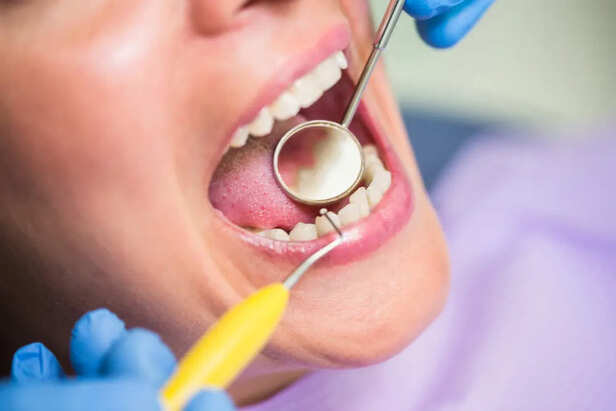
How to Prevent Cavity (Image Credit:Freepik)
Cavities start small but can grow deeper if ignored. Early detection helps in:
- Preventing severe tooth damage
- Avoiding expensive treatments
- Reducing pain and discomfort
- Maintaining overall oral health
1. Tooth Sensitivity to Hot and Cold
One of the first signs of a developing cavity is sensitivity.
What you may feel
Why it happens
What to do
- Use toothpaste designed for sensitive teeth
- Avoid extremely hot or cold foods for some time
- Visit a dentist if sensitivity continues
2. Persistent Toothache or Discomfort
Tooth pain is a clear sign that something is wrong, but it may start as mild discomfort.
Early symptoms
- Dull pain while chewing
- Occasional throbbing sensation
- Pressure sensitivity
Why it happens
What to do
3. Visible Holes or Dark Spots on Teeth
Signs to look for
- Tiny black or brown spots
- Chalky white patches
- Small pits or holes
Why it happens
What to do
4. Bad Breath That Does Not Go Away
Persistent bad breath is often linked to bacteria buildnup in the mouth.
Why it happens
Warning signs
- Bad breath even after brushing
- Bad taste in the mouth
- Frequent dryness
What to do
- Improve oral hygiene
- Clean your tongue regularly
- Visit a dentist if the problem continues
5. Pain While Eating Sweet or Sticky Foods
Sensitivity to sugary foods is another early indicator of cavities.
What you may feel
Why it happens
What to do
- Limit sugar intake
- Rinse your mouth after eating sweets
- Maintain regular brushing habits
Simple Habits to Prevent Cavities
Maintain Proper Oral Hygiene
Stay Hydrated
Eat a Balanced Diet
Visit the Dentist Regularly
Common Mistakes That Damage Teeth
Mistakes in Enamel (Image Credit:Freepik)
Many people unknowingly harm their teeth through everyday habits.
Skipping Night Brushing
Using Teeth as Tools
Frequent Snacking
Ignoring Early Signs
Avoiding these mistakes can greatly improve dental health.
When Should You See a Dentist?
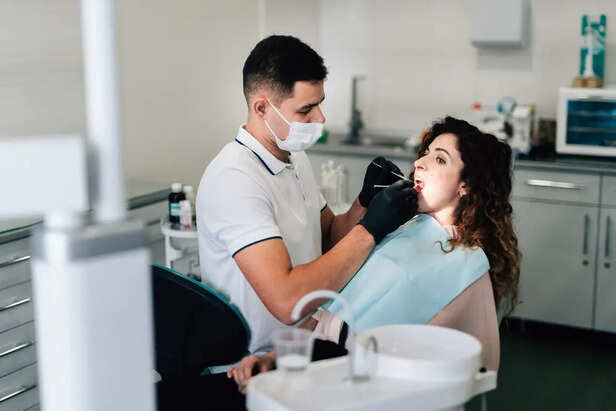
Regular Dentist Visit (Image Credit:Freepik)
You should consult a dentist if you notice:
- Continuous tooth sensitivity
- Visible spots or holes
- Persistent bad breath
- Pain while chewing
- Bleeding gums
How Long Does It Take for a Cavity to Form?
Cavities do not form overnight. The process may take weeks or even months depending on oral hygiene and diet.
Early stage decay can sometimes be reversed with proper care, but advanced cavities require medical treatment.
Cavities are common but preventable. The key is to pay attention to early signs and take action before the condition worsens.
Tooth sensitivity, mild pain, discoloration, bad breath, and discomfort while eating sweets are warning signals your teeth should not ignore. Recognizing these signs early can save you from pain, expensive treatments, and long term damage.
Healthy teeth are not just about appearance. They are essential for overall wellbeing. By maintaining good oral hygiene and visiting the dentist regularly, you can protect your smile and enjoy better health.
Discover expert advice and the latest updates in Skin Care, Hair Care, Wellness, Dermatology, and more at Stay Young guide to lasting beauty and holistic health!