
Oral Health Signs That Indicate Nutritional Deficiencies
Radhika Hitkari | Dec 24, 2025, 09:00 IST

oral health
Image credit : freepik
This article explains how common oral health problems like bleeding gums, cavities, mouth ulcers, and a burning tongue can be signs of underlying nutrient deficiencies. It highlights key symptoms linked to vitamin shortages and shares simple oral hygiene practices to help maintain dental health and overall well-being.
A lot of people suffer from multiple oral health issues, like bleeding gums or cavities, which can seem normal, as they might happen due to some reasons that are not very complicated. However, sometimes these oral health issues can indicate a lot of health issues, including multiple nutrient deficiencies that can impact the overall health of a person. Taking proper care and knowing the symptoms can help people identify these problems and take necessary steps to reduce nutritional deficiencies in the body.
Symptoms of Nutrient Deficiency in Oral Health
Swollen or bleeding gums: Sometimes the deficiency of vitamin C in the body can lead to frequent bleeding in the gums and cause inflammation.
Cavities in teeth: Frequent formation of cavities or a weak enamel could be sign of vitamin D deficiency in the body which can affect the overall gum health.
Cracks at the corners of mouth: This could indicate a nutritional imbalance as it could be result of low vitamin B levels in the body which usually happens especially during cold weathers.
Burning tongue: This could indicate a deficiency of vitamin B12 in the body as it can affect the nerves and impact the production of red blood cells.
Mouth ulcers: This can be a sign of vitamin deficiency in B12 or B6 which controls the repairing of cells and a deficiency of this vitamin could lead to health issues.
How to Maintain Oral Health
![healthy teeth]()
Brush the teeth: Make sure to brush the teeth at least twice in a day with the right technique and do not brush the teeth hardly as that can cause bleeding.
Do flossing: Make sure to do regular flossing of the teeth to remove all the leftover food particles in between the teeth for maintaining cleanliness.
Keep the tongue clean: Make sure to keep the tongue clean as well along with the teeth to maintain oral hygiene and prevent multiple health conditions.
Avoid certain foods and beverages: This can help in improving the oral health as consuming certain beverages and food can weaken the enamel of the teeth and it could get stuck in between the teeth which is hard to remove.
Discover expert advice and the latest updates in Skin Care, Hair Care, Wellness, Dermatology, and more at Stay Young's guide to lasting beauty and holistic health!
Frequently asked questions (FAQs)
Symptoms of Nutrient Deficiency in Oral Health
Swollen or bleeding gums: Sometimes the deficiency of vitamin C in the body can lead to frequent bleeding in the gums and cause inflammation.
Cavities in teeth: Frequent formation of cavities or a weak enamel could be sign of vitamin D deficiency in the body which can affect the overall gum health.
Cracks at the corners of mouth: This could indicate a nutritional imbalance as it could be result of low vitamin B levels in the body which usually happens especially during cold weathers.
Burning tongue: This could indicate a deficiency of vitamin B12 in the body as it can affect the nerves and impact the production of red blood cells.
Mouth ulcers: This can be a sign of vitamin deficiency in B12 or B6 which controls the repairing of cells and a deficiency of this vitamin could lead to health issues.
How to Maintain Oral Health
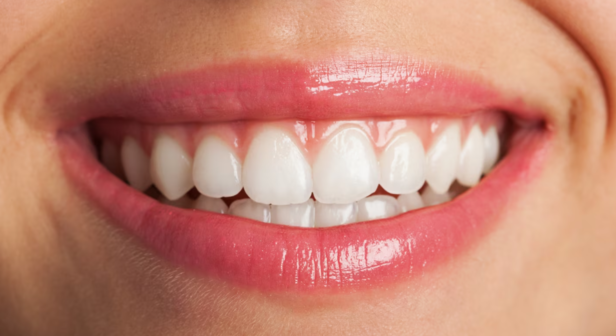
healthy teeth
Image credit : freepik
Brush the teeth: Make sure to brush the teeth at least twice in a day with the right technique and do not brush the teeth hardly as that can cause bleeding.
Do flossing: Make sure to do regular flossing of the teeth to remove all the leftover food particles in between the teeth for maintaining cleanliness.
Keep the tongue clean: Make sure to keep the tongue clean as well along with the teeth to maintain oral hygiene and prevent multiple health conditions.
Avoid certain foods and beverages: This can help in improving the oral health as consuming certain beverages and food can weaken the enamel of the teeth and it could get stuck in between the teeth which is hard to remove.
Discover expert advice and the latest updates in Skin Care, Hair Care, Wellness, Dermatology, and more at Stay Young's guide to lasting beauty and holistic health!
Frequently asked questions (FAQs)
- What does B12 deficiency tongue look like?
A B12 deficiency tongue often looks smooth, red, and shiny because the small bumps disappear, making it feel sore, swollen, or "beefy" and sensitive, sometimes with mouth ulcers or a burning sensation. - What is the 2 2 2 rule for teeth?
The 2-2-2 rule in dentistry is a simple guideline for lifelong oral health: Brush your teeth twice a day, for two minutes each time, and see your dentist twice a year (every six months) for check-ups and cleanings. - What are the symptoms of oral disease?
Common oral problem symptoms include bleeding, red, swollen gums, bad breath, tooth pain/sensitivity, and mouth sores, often signaling issues like gum disease.