Acne may disappear, but the scars it leaves behind can be much harder to forget. Dark spots may fade with time, while dents, uneven texture and deeper acne scars can stay for years. If skincare products are no longer making much difference, dermatology procedures may offer another option. Treatments such as microneedling, chemical peels, laser therapy and subcision can improve the appearance of certain acne scars. The key is knowing which treatment suits your skin and the type of scar you have.
First, Know What Kind of Acne Mark You Have
Not everything left behind by acne is technically a scar. Dark or red marks may gradually fade, while true acne scars can change the texture of the skin. Depressed scars create small dents, rolling scars create uneven waves and ice-pick scars appear as narrow, deeper openings. Raised scars can also develop in some people. This difference matters because an acne scar treatment needs to match the problem. A procedure that works well for uneven texture may not be the best choice for pigmentation. A dermatologist can examine your skin and determine which approach makes sense.
Microneedling Can Help Improve Uneven Texture
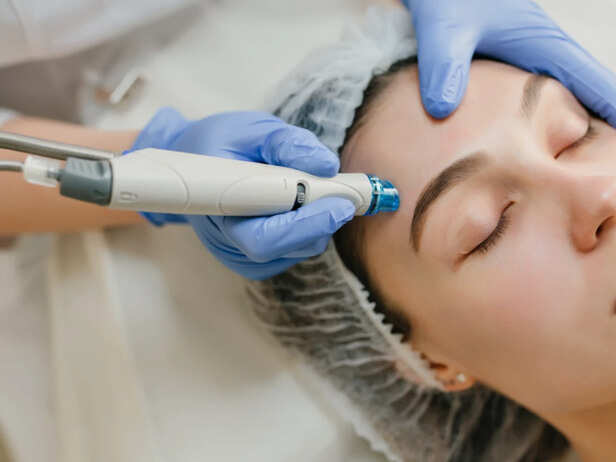
![Microneedling Smooths Texture Over Time]()
Microneedling Smooths Texture Over Time
Image credit : FreePik
Fine needles trigger the skin's natural healing and boost collagen production. Results build gradually across several sessions, not from a single appointment.
Microneedling is one of the procedures commonly used for acne scars. It involves creating controlled tiny injuries in the skin with fine needles. This process encourages the skin’s natural healing response and can stimulate collagen production. Over time, increased collagen can help make some depressed acne scars look less noticeable and improve overall skin texture. Several sessions may be needed, and results usually develop gradually rather than appearing immediately after one appointment.
Chemical Peels May Help Certain Acne Scars
Chemical peels use carefully selected chemical solutions to remove or loosen damaged outer layers of skin. Depending on the type and strength of the peel, dermatologists may use them to address pigmentation, surface irregularities and certain types of acne scarring. Not every peel is appropriate for every person. Skin tone, sensitivity, active acne and the type of scarring all matter when choosing a treatment. Stronger does not automatically mean better, and using an unsuitable peel can cause irritation or pigmentation problems.
Laser Treatments Can Resurface Damaged Skin
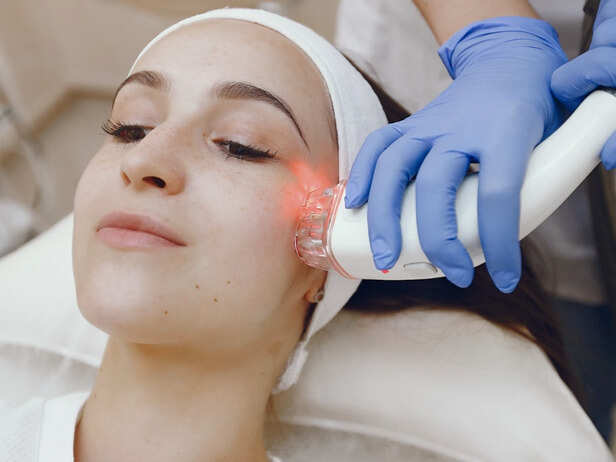
![Lasers Target Deeper Layers of Scarring]()
Lasers Target Deeper Layers of Scarring
Image credit : FreePik
Controlled energy can resurface skin or stimulate collagen beneath the surface, depending on the type. Darker skin tones carry a higher pigmentation risk, making expert selection essential.
Laser skin treatments use controlled energy to target specific layers of the skin. Some lasers remove damaged skin, while others work beneath the surface to encourage collagen production without removing as much of the outer layer. Laser treatment may improve the appearance of certain acne scars and uneven texture, but the exact laser and settings need to be selected carefully. People with darker skin tones may have a higher risk of pigmentation changes with some laser treatments, making professional assessment particularly important.
Subcision May Be Used for Depressed Scars
Some acne scars are attached to deeper tissue beneath the skin, which can pull the surface downward and create a dent. Subcision is a procedure in which a dermatologist uses a specialised needle or instrument beneath the skin to release these fibrous attachments. Once the pulling force is released, the depressed area may become less noticeable. Subcision is generally considered for selected types of depressed or rolling scars and may sometimes be combined with other procedures.
Combination Treatments May Work Better
Acne scarring is often mixed, meaning one person may have several different scar types at the same time. Because of this, dermatologists may recommend a combination of treatments rather than relying on one procedure. For example, a treatment aimed at improving skin texture may be combined with another approach designed for deeper scars. The goal is not to completely erase every scar overnight but to gradually make the skin look smoother and more even.
Do Not Rush Into a Procedure
It can be tempting to book the most aggressive treatment after seeing dramatic before-and-after photos online. But acne scar treatment should not be chosen based only on social media results. A dermatologist should first check whether you have active acne, inflammation, pigmentation or another skin condition that needs attention. Your skin type, scar depth, previous treatments and tendency to develop pigmentation can all affect the decision.
Your Skincare Still Matters After Treatment
Professional treatment is only one part of acne scar care. Protecting your skin from the sun is especially important because ultraviolet exposure can make pigmentation more noticeable and interfere with an even-looking complexion. A simple routine with gentle cleansing, appropriate moisturising and daily sunscreen can support your skin while it recovers. Your dermatologist may also recommend specific products depending on the procedure you receive.
Acne Scars Can Improve, But Patience Matters
The biggest mistake is expecting one procedure to completely erase acne scars. Most treatments aim to make scars less noticeable rather than return the skin to its original texture. If acne scars are affecting your confidence, a dermatologist can help you understand what type of scarring you have and which treatment options are realistic. The right procedure is usually the one chosen for your skin, not simply the one currently trending online.
Discover expert advice and the latest updates in
Skin Care,
Hair Care,
Wellness,
Dermatology, and more at
Stay Young guide to lasting beauty and holistic health.