Smooth, clear and intensely glowing skin has become a major beauty goal, thanks largely to the popularity of the “glass skin” look. But filters, lighting and makeup can create expectations that real skin cannot always match. Pores, texture and small imperfections are completely normal. Dermatology procedures cannot turn skin into glass, but certain treatments may improve texture, pigmentation, acne marks and overall radiance. Before booking the treatment currently trending online, it helps to understand what these procedures can realistically do.
Start by Understanding What Glass Skin Actually Means
Glass skin is a beauty term rather than a medical diagnosis or dermatological condition. It generally describes skin that looks smooth, hydrated, even-toned and reflective. The important distinction is that healthy skin still has pores and texture. Dermatology procedures are therefore better used to address specific concerns rather than to chase perfectly poreless skin. A dermatologist may first identify whether dullness, pigmentation, acne scars, dryness or uneven texture is preventing your skin from looking its best.
Chemical Peels Can Target Dullness and Uneven Tone
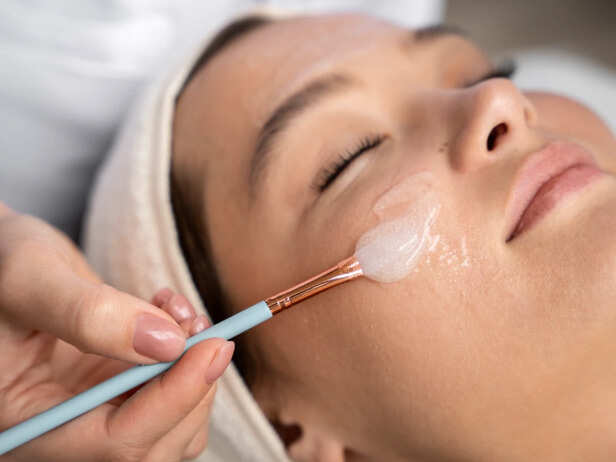
![Chemical Peels Target Dullness, Not Perfection]()
Chemical Peels Target Dullness, Not Perfection
Image credit : FreePik
Controlled exfoliation can improve mild uneven tone and dullness with the right strength. Too aggressive a peel, though, risks irritation and pigmentation problems instead of a fresher look.
A chemical peel involves applying a controlled chemical solution to the skin to exfoliate particular layers. Different types and strengths are available depending on the concern being treated. Superficial peels may be used to improve dullness and mild uneven pigmentation, while other peels can target specific skin concerns. The result can be a fresher and more even-looking surface as the skin recovers. However, stronger peeling does not automatically produce better skin. Incorrectly selected or excessively strong peels can cause irritation and pigmentation changes, particularly in people prone to post-inflammatory hyperpigmentation.
Daily Skincare Still Does Most of the Work
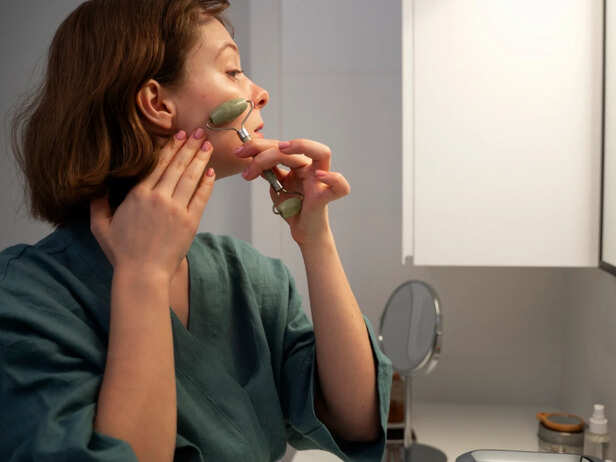
![Skincare Basics Still Matter After Procedures]()
Skincare Basics Still Matter After Procedures
Image credit : FreePik
Professional treatments can't fix a routine that constantly irritates or neglects the skin. Sunscreen especially becomes critical afterward, since treated skin is more sensitive to sunlight.
Professional procedures cannot compensate for a routine that constantly irritates or neglects your skin. Gentle cleansing, moisturising when needed and regular sun protection remain important even when you receive professional treatments. Sunscreen becomes particularly important after many procedures because treated skin may be more sensitive to sunlight and pigmentation. Instead of viewing a dermatology procedure as a replacement for skincare, think of it as a targeted treatment for a specific concern.
Microneedling May Improve Skin Texture
If uneven texture or certain acne scars are the main concern, microneedling may be considered. The procedure uses very fine needles to create controlled micro-injuries in the skin. This stimulates the skin’s healing response and collagen production. With repeated sessions, microneedling can improve the appearance of some acne scars and uneven texture. Results are generally gradual. It is not a procedure that creates flawless skin after a single appointment, despite what dramatic social media videos might suggest.
Laser Treatments Can Address Specific Concerns
Laser procedures are another option, but “laser treatment” is a broad term. Different technologies target different concerns, including pigmentation, redness, unwanted hair, sun damage and skin texture. Some resurfacing lasers work by creating controlled damage that encourages skin renewal and collagen production. Other devices target specific pigments or structures within the skin. The correct technology matters, especially for darker skin tones where some treatments may carry a greater risk of pigmentation changes. This is one reason professional evaluation is important before undergoing laser treatment.
Hydrating Treatments Can Give a Temporary Glow
Not every person looking for glass skin needs an aggressive procedure. Professional hydrating or exfoliating facial treatments may temporarily make skin appear smoother and more radiant by cleansing, exfoliating and hydrating the surface. These treatments can be useful when the goal is temporary freshness rather than correcting deeper scars or pigmentation. The key is managing expectations. A post-treatment glow is not necessarily a permanent change to the structure of your skin.
Acne Scars Need a Different Approach
If acne scars are creating uneven texture, a simple facial is unlikely to provide the same results as a procedure specifically selected for scarring. Depending on the type of scar, dermatologists may consider microneedling, laser resurfacing, chemical techniques, subcision or combinations of treatments. This is why choosing a procedure based solely on the promise of “glowing skin” can be misleading. The underlying skin concern should determine the treatment.
Combining Procedures Is Not Always Better
Social media skincare trends sometimes promote multiple treatments together to achieve faster results. More procedures, however, do not automatically mean better results. Over-treating the skin can cause irritation and may damage the skin barrier. Procedures should be spaced appropriately so the skin has time to recover. A dermatologist may combine treatments when there is a clinical reason, but that is different from stacking procedures simply to chase a stronger glow.
Do Not Book a Procedure Just Before an Important Event
If you want brighter-looking skin for a wedding, festival or holiday, avoid experimenting with a new procedure immediately before the event. Peeling, redness, swelling or temporary irritation can occur after some treatments. Certain procedures require considerably more recovery time than others. Planning treatment in advance also gives your dermatologist time to see how your skin responds rather than trying to create an instant transformation.
Aim for Healthier Skin, Not Perfect Skin
The most useful question is not, “Which procedure will give me glass skin?” It is, “What is actually stopping my skin from looking its healthiest?” For one person, the answer may be pigmentation. For another, it could be acne scars, dryness or uneven texture. Once the actual concern is identified, a dermatologist can recommend an appropriate treatment and explain realistic results. Perfectly poreless, permanently reflective skin is not a realistic target. Smoother, more even and healthier-looking skin can be.
Discover expert advice and the latest updates in
Skin Care,
Hair Care,
Wellness,
Dermatology, and more at
Stay Young guide to lasting beauty and holistic health.