
What Dermatologists Notice About Your Skin Before You Do
Abhishek Singh | Jul 27, 2026, 14:53 IST

49852
Image credit : FreePik
Your skin often shows subtle changes long before you notice them. Dermatologists are trained to identify these early signs, helping detect skin damage, dehydration, sun exposure, and other concerns before they become serious. Learning what professionals look for can help you build healthier skincare habits, protect your skin barrier, and maintain healthy skin for years to come.
Most people only notice their skin when something obvious happens, such as acne, dryness, redness, or wrinkles. Dermatologists, however, look much deeper. They can often identify small skin changes that develop weeks or even months before they become visible to you. These early signs may reveal dehydration, sun damage, a weakened skin barrier, or lifestyle habits that are affecting your skin health. Your skin constantly reflects what is happening inside and outside your body. By understanding the warning signs dermatologists pay attention to, you can improve your skincare routine, support healthy skin, and prevent small concerns from becoming bigger problems.
One of the first things dermatologists examine is your skin barrier. This protective outer layer keeps moisture inside the skin while blocking bacteria, pollution, and environmental damage. When the skin barrier becomes weak, your skin may lose water more quickly, become irritated, or react to products that never caused problems before. A damaged skin barrier does not always cause obvious symptoms immediately. Instead, dermatologists may notice subtle dryness, rough texture, or increased sensitivity before you recognize anything unusual. Protecting your skin barrier with gentle cleansing, regular moisturizing, and daily sunscreen helps maintain healthy skin and reduces unnecessary irritation.
![Skin Tone Shifts Before Spots Ever Appear]()
Healthy skin usually has an even tone. Small changes in skin color often provide important clues about your skin health. Dermatologists look for areas of uneven pigmentation, redness, or dullness that may develop before they become noticeable in everyday life. For example, early sun damage may appear as faint discoloration long before dark spots become visible. Persistent redness can sometimes suggest inflammation, while dull skin may indicate dehydration or poor skin renewal. Identifying these changes early allows you to adjust your skincare routine before more noticeable damage occurs.
![Texture Changes Come Before Wrinkles Do]()
Many people believe wrinkles are the first sign of skin aging. In reality, dermatologists usually notice changes in skin texture first. Healthy skin feels smooth, soft, and flexible. When collagen production begins to slow, your skin may gradually become rougher, thinner, or less elastic. These subtle texture changes often appear months or even years before deeper wrinkles develop. Consistent sun protection, hydration, and a balanced skincare routine help support healthy skin and maintain smoother skin texture over time.
Not every breakout is simply acne. Dermatologists often look at the location, size, and pattern of breakouts to understand what may be affecting your skin. Repeated blemishes in the same area can sometimes point to irritation, clogged pores, excessive oil production, or skincare products that do not suit your skin type. Occasional breakouts are normal, but persistent changes may indicate that your skincare routine needs adjustment. Paying attention to these patterns can improve skin health and reduce future skin problems.
![Your Daily Habits Leave Marks on Your Skin]()
Your skin reflects many of your daily habits, often before you realize they are having an effect. Dermatologists can sometimes identify signs of poor sleep, dehydration, excessive sun exposure, stress, smoking, or an unbalanced diet simply by examining your skin. These lifestyle factors may lead to dullness, uneven skin tone, slower healing, increased oil production, or dryness over time. While skincare products play an important role, healthy skin also depends on consistent habits such as getting enough sleep, drinking plenty of water, eating a balanced diet, exercising regularly, and protecting your skin from the sun. Small lifestyle improvements can make a noticeable difference in your skin health and help your skin look healthier for years.
The skin around your eyes is thinner than the skin on most other parts of your face. Because of this, dermatologists often examine this area carefully. Fine lines, puffiness, dryness, and dark circles may appear here before changes develop elsewhere on the face. Poor sleep, dehydration, excessive sun exposure, and stress can all affect this delicate area. Gentle skincare, quality sleep, and daily sun protection help maintain healthier skin around the eyes.
Healthy skin rarely depends on expensive products alone. Dermatologists know that consistent daily habits usually have the greatest impact. Wearing sunscreen every day, cleansing gently, moisturizing regularly, staying hydrated, eating a balanced diet, and sleeping well all support stronger skin health. Most skin concerns develop gradually rather than overnight. Paying attention to the early signs your skin gives you allows you to make small improvements before visible damage becomes more difficult to reverse. Healthy skin is often the result of simple habits repeated consistently over time.
Discover expert advice and the latest updates in Skin Care, Hair Care, Wellness, Dermatology, and more at Stay Young guide to lasting beauty and holistic health.
Your Skin Barrier Reveals More Than You Think
One of the first things dermatologists examine is your skin barrier. This protective outer layer keeps moisture inside the skin while blocking bacteria, pollution, and environmental damage. When the skin barrier becomes weak, your skin may lose water more quickly, become irritated, or react to products that never caused problems before. A damaged skin barrier does not always cause obvious symptoms immediately. Instead, dermatologists may notice subtle dryness, rough texture, or increased sensitivity before you recognize anything unusual. Protecting your skin barrier with gentle cleansing, regular moisturizing, and daily sunscreen helps maintain healthy skin and reduces unnecessary irritation.
Tiny Changes in Skin Color Can Reveal Early Problems

Skin Tone Shifts Before Spots Ever Appear
Image credit : FreePik
Healthy skin usually has an even tone. Small changes in skin color often provide important clues about your skin health. Dermatologists look for areas of uneven pigmentation, redness, or dullness that may develop before they become noticeable in everyday life. For example, early sun damage may appear as faint discoloration long before dark spots become visible. Persistent redness can sometimes suggest inflammation, while dull skin may indicate dehydration or poor skin renewal. Identifying these changes early allows you to adjust your skincare routine before more noticeable damage occurs.
Skin Texture Often Changes Before You See Wrinkles
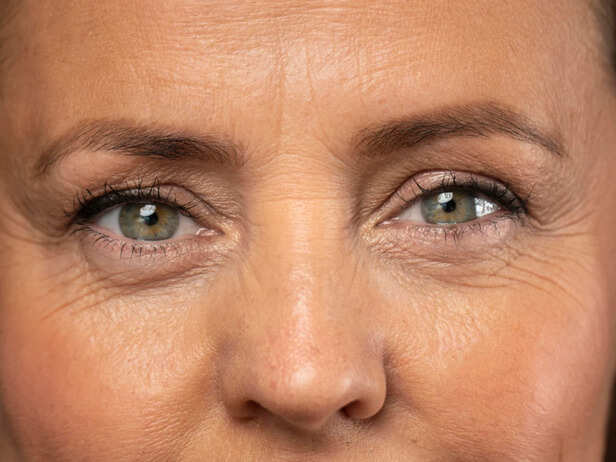
Texture Changes Come Before Wrinkles Do
Image credit : FreePik
Many people believe wrinkles are the first sign of skin aging. In reality, dermatologists usually notice changes in skin texture first. Healthy skin feels smooth, soft, and flexible. When collagen production begins to slow, your skin may gradually become rougher, thinner, or less elastic. These subtle texture changes often appear months or even years before deeper wrinkles develop. Consistent sun protection, hydration, and a balanced skincare routine help support healthy skin and maintain smoother skin texture over time.
Small Breakouts Can Reveal Bigger Skin Issues
Not every breakout is simply acne. Dermatologists often look at the location, size, and pattern of breakouts to understand what may be affecting your skin. Repeated blemishes in the same area can sometimes point to irritation, clogged pores, excessive oil production, or skincare products that do not suit your skin type. Occasional breakouts are normal, but persistent changes may indicate that your skincare routine needs adjustment. Paying attention to these patterns can improve skin health and reduce future skin problems.
Your Lifestyle Can Leave Visible Clues on Your Skin

Your Daily Habits Leave Marks on Your Skin
Image credit : FreePik
Your skin reflects many of your daily habits, often before you realize they are having an effect. Dermatologists can sometimes identify signs of poor sleep, dehydration, excessive sun exposure, stress, smoking, or an unbalanced diet simply by examining your skin. These lifestyle factors may lead to dullness, uneven skin tone, slower healing, increased oil production, or dryness over time. While skincare products play an important role, healthy skin also depends on consistent habits such as getting enough sleep, drinking plenty of water, eating a balanced diet, exercising regularly, and protecting your skin from the sun. Small lifestyle improvements can make a noticeable difference in your skin health and help your skin look healthier for years.
The Area Around Your Eyes Shows Early Signs of Aging
The skin around your eyes is thinner than the skin on most other parts of your face. Because of this, dermatologists often examine this area carefully. Fine lines, puffiness, dryness, and dark circles may appear here before changes develop elsewhere on the face. Poor sleep, dehydration, excessive sun exposure, and stress can all affect this delicate area. Gentle skincare, quality sleep, and daily sun protection help maintain healthier skin around the eyes.
Healthy Skin Begins With Small Daily Habits
Healthy skin rarely depends on expensive products alone. Dermatologists know that consistent daily habits usually have the greatest impact. Wearing sunscreen every day, cleansing gently, moisturizing regularly, staying hydrated, eating a balanced diet, and sleeping well all support stronger skin health. Most skin concerns develop gradually rather than overnight. Paying attention to the early signs your skin gives you allows you to make small improvements before visible damage becomes more difficult to reverse. Healthy skin is often the result of simple habits repeated consistently over time.
Discover expert advice and the latest updates in Skin Care, Hair Care, Wellness, Dermatology, and more at Stay Young guide to lasting beauty and holistic health.