
Are Korean Face Masks Really Safe for Every Skin Type?
Vaishnavi Mall | Mar 02, 2026, 12:02 IST

Korean Face Masks
Image credit : Freepik
Although Korean face masks are widely used, are they safe for all skin types? This article examines the reactions of various skin types to Korean masks and the importance of selecting the appropriate one. It highlights how crucial it is to verify ingredients, know how frequently to apply masks, and conduct a patch test before attempting anything new. This guide assists readers in making safer and more informed skincare choices rather than mindlessly adhering to trends.
Korean face masks are now widely used in contemporary skincare. They promise flawless skin, moisture, and radiance in anything from sheet masks to sleeping packs. People use social media on a daily basis. It presents them as straightforward and innocuous. However, no two people have the same skincare routine. What is effective for one individual might not be effective for another. Reactions vary according to skin type. Determine whether Korean face masks are a good fit for your skin type before incorporating them into your routine. Brand is not the sole factor that affects safety. The needs of your skin will determine this.
![Korean Face Mask]()
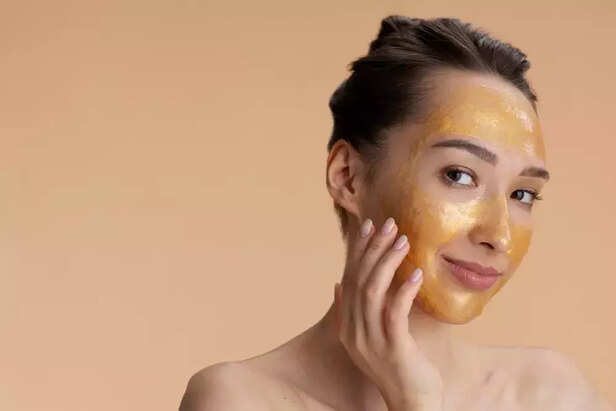
First and foremost, not all skin types are the same. Some people's skin is oily and produces a lot of sebum. Others experience tightness and dryness. Some struggle with acne, redness, or sensitivity. Korean face masks are designed to address various issues. Clay-based masks for oily face, soothing masks for sensitive skin, and moisturizing masks for dry skin are all available. The issue arises when individuals wear masks without being aware of their skin type. For instance, someone with oily skin could find a thick, nourishing mask designed for dry skin to be overly rich. It may cause breakouts by clogging pores. However, if someone with dry skin uses a powerful clay mask, it might cause tightness and discomfort in the face. The first step to safety is knowing your skin type. Lightweight and oil balancing solutions are probably what you need if your skin feels oily by the afternoon. You might need to drink a lot of water if it feels rough or flaky. Simple, soothing ingredients are necessary for sensitive skin. Pay attention to how your skin acts every day rather than chasing trends. This awareness has a significant impact.
The intriguing components of Korean face masks are well-known. Many have niacinamide for brightening, green tea for calming, snail mucus for healing, and hyaluronic acid for hydration. For the most part, these ingredients are safe and helpful. But not everyone is a good fit for every ingredient. Some masks have alcohol or fragrance added. Sensitive skin may become irritated by fragrance. If alcohol is used excessively, it might cause skin dryness. If the skin barrier is poor, strong exfoliating chemicals like acids may also irritate the skin. This is why it's important to read the ingredient list. Although it can seem uninteresting, it shields your skin. Look for terms like fragrance-free, alcohol-free, and calming extracts if you have sensitive skin. Steer clear of thick formulations and heavy oils if you have acne prone skin. A mask may not be ideal for you just because it's fashionable. The true narrative is told by the ingredients. Redness, outbreaks, or discomfort are less likely if you pay attention to them.
Frequency Matters More Than Hype
![Face Masks]()
How frequently you use Korean face masks is another crucial consideration. A lot of influencers display their daily sheet masking practices. Although it could seem soothing, not everyone needs to wear a mask every day.
Mask overuse can cause skin overload. The skin barrier can be weakened by excessive moisture that is out of balance. It may cause the skin to become reliant on creams for continuous moisture. More oil may be produced by greasy skin. Reactivity can occur in sensitive skin. A face mask should be used two or three times a week for the majority of people. This allows the skin to breathe and perform its normal functions. Doing more is not the goal of skincare. It's about taking the necessary action. Once a week can be plenty if you are using a potent exfoliating or brightening mask. Pay attention to your skin. Reduce the frequency if it feels overloaded, sticky, or irritated. Routines for healthy skin are balanced and easy. Better outcomes are not always correlated with more products.
![Patch Testing Is Important]()
Because they believe a product is safe, many consumers neglect patch testing. Although Korean face masks are frequently advertised as soothing, each person's skin reacts differently. Patch testing is easy. Put a tiny bit of the product on your inner arm or behind your ears. Hold off for twenty four hours. If your face doesn't get red, itchy, or swollen, it's probably harmless. This tiny action can stop more serious issues. Certain reactions take time to manifest. It may take many hours for sensitive skin to react. You get that safety window from a patch test. If you have previously used Korean masks, a new brand or substance may act differently. Being careful is preferable to regretting it. Skincare is a personal matter. It's always better to protect your skin than to follow trends.
Discover expert advice and the latest updates in Skin Care, Hair Care, Wellness, Dermatology, and more at Stay Young guide to lasting beauty and holistic health!
1. Is DIY teeth whitening safe for everyone?
Not always. DIY methods may seem harmless, but people with sensitive teeth, gum problems, thin enamel, or cavities should avoid experimenting at home. Some ingredients can worsen existing dental issues. It is always better to consult a dentist before trying any whitening method.
2. Can baking soda really whiten teeth?
Baking soda can remove surface stains because it is mildly abrasive. However, using it too often can wear down enamel over time. Once enamel is damaged, it does not grow back. So it should only be used occasionally and gently.
3. Do natural remedies like lemon juice or charcoal work?
Lemon juice is acidic and can weaken enamel, making teeth more sensitive. Charcoal may remove some stains, but it is also abrasive. These methods may give temporary brightness but can cause long term damage if used regularly.
4. How long does it take to see results from DIY whitening?
Results vary depending on the method and the condition of your teeth. Some people may see slight changes within a week, but dramatic whitening usually takes longer. Keep in mind that overdoing it to get faster results can harm your teeth.
5. Is professional whitening better than DIY methods?
Professional whitening is usually safer and more effective because it is supervised by a dentist. The products used are stronger but controlled. DIY methods are cheaper, but they carry more risk if not used carefully.
Understanding Different Skin Types Before Choosing a Mask

Korean Face Mask
Image credit : Freepik
First and foremost, not all skin types are the same. Some people's skin is oily and produces a lot of sebum. Others experience tightness and dryness. Some struggle with acne, redness, or sensitivity. Korean face masks are designed to address various issues. Clay-based masks for oily face, soothing masks for sensitive skin, and moisturizing masks for dry skin are all available. The issue arises when individuals wear masks without being aware of their skin type. For instance, someone with oily skin could find a thick, nourishing mask designed for dry skin to be overly rich. It may cause breakouts by clogging pores. However, if someone with dry skin uses a powerful clay mask, it might cause tightness and discomfort in the face. The first step to safety is knowing your skin type. Lightweight and oil balancing solutions are probably what you need if your skin feels oily by the afternoon. You might need to drink a lot of water if it feels rough or flaky. Simple, soothing ingredients are necessary for sensitive skin. Pay attention to how your skin acts every day rather than chasing trends. This awareness has a significant impact.
Ingredient Check What Works and What to Avoid
The intriguing components of Korean face masks are well-known. Many have niacinamide for brightening, green tea for calming, snail mucus for healing, and hyaluronic acid for hydration. For the most part, these ingredients are safe and helpful. But not everyone is a good fit for every ingredient. Some masks have alcohol or fragrance added. Sensitive skin may become irritated by fragrance. If alcohol is used excessively, it might cause skin dryness. If the skin barrier is poor, strong exfoliating chemicals like acids may also irritate the skin. This is why it's important to read the ingredient list. Although it can seem uninteresting, it shields your skin. Look for terms like fragrance-free, alcohol-free, and calming extracts if you have sensitive skin. Steer clear of thick formulations and heavy oils if you have acne prone skin. A mask may not be ideal for you just because it's fashionable. The true narrative is told by the ingredients. Redness, outbreaks, or discomfort are less likely if you pay attention to them.
Frequency Matters More Than Hype
Face Masks
Image credit : Freepik
How frequently you use Korean face masks is another crucial consideration. A lot of influencers display their daily sheet masking practices. Although it could seem soothing, not everyone needs to wear a mask every day.
Mask overuse can cause skin overload. The skin barrier can be weakened by excessive moisture that is out of balance. It may cause the skin to become reliant on creams for continuous moisture. More oil may be produced by greasy skin. Reactivity can occur in sensitive skin. A face mask should be used two or three times a week for the majority of people. This allows the skin to breathe and perform its normal functions. Doing more is not the goal of skincare. It's about taking the necessary action. Once a week can be plenty if you are using a potent exfoliating or brightening mask. Pay attention to your skin. Reduce the frequency if it feels overloaded, sticky, or irritated. Routines for healthy skin are balanced and easy. Better outcomes are not always correlated with more products.
Patch Test Is Not Optional
Patch Testing Is Important
Image credit : Freepik
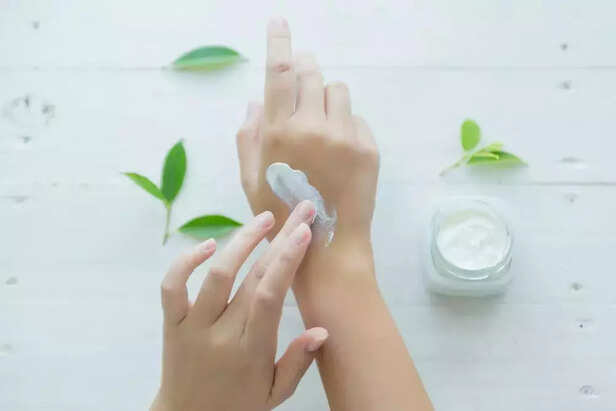
Because they believe a product is safe, many consumers neglect patch testing. Although Korean face masks are frequently advertised as soothing, each person's skin reacts differently. Patch testing is easy. Put a tiny bit of the product on your inner arm or behind your ears. Hold off for twenty four hours. If your face doesn't get red, itchy, or swollen, it's probably harmless. This tiny action can stop more serious issues. Certain reactions take time to manifest. It may take many hours for sensitive skin to react. You get that safety window from a patch test. If you have previously used Korean masks, a new brand or substance may act differently. Being careful is preferable to regretting it. Skincare is a personal matter. It's always better to protect your skin than to follow trends.
Discover expert advice and the latest updates in Skin Care, Hair Care, Wellness, Dermatology, and more at Stay Young guide to lasting beauty and holistic health!
Frequently Asked Question (FAQs)
Not always. DIY methods may seem harmless, but people with sensitive teeth, gum problems, thin enamel, or cavities should avoid experimenting at home. Some ingredients can worsen existing dental issues. It is always better to consult a dentist before trying any whitening method.
2. Can baking soda really whiten teeth?
Baking soda can remove surface stains because it is mildly abrasive. However, using it too often can wear down enamel over time. Once enamel is damaged, it does not grow back. So it should only be used occasionally and gently.
3. Do natural remedies like lemon juice or charcoal work?
Lemon juice is acidic and can weaken enamel, making teeth more sensitive. Charcoal may remove some stains, but it is also abrasive. These methods may give temporary brightness but can cause long term damage if used regularly.
4. How long does it take to see results from DIY whitening?
Results vary depending on the method and the condition of your teeth. Some people may see slight changes within a week, but dramatic whitening usually takes longer. Keep in mind that overdoing it to get faster results can harm your teeth.
5. Is professional whitening better than DIY methods?
Professional whitening is usually safer and more effective because it is supervised by a dentist. The products used are stronger but controlled. DIY methods are cheaper, but they carry more risk if not used carefully.