
This Is How Beauty Ideals Quietly Controlled Women for Thousands of Years
Vaishnavi Mall | Feb 11, 2026, 12:00 IST

Women’s Lives for Centuries
Image credit : AI
Beauty standards have never been limited to outward looks. They have influenced the perception, assessment, and treatment of women for millennia. Power, culture, and commerce have shaped and upheld ideals of beauty from ancient civilizations to contemporary social media. Although the regulations evolved throughout time, the demands placed on women remained consistent. This essay examines the origins of these ideals, their historical development, the emotional toll they take on women, and how contemporary beauty trends perpetuate historical control mechanisms in novel ways.
Beauty has always been portrayed as a subjective concept that is dependent on one's preferences or choices. However, history presents a different picture. Women were required to conform to rules they did not make about the contour of their bodies and faces for millennia. These regulations were frequently linked to control, religion, class, and power. The pressure persisted even if the instruments evolved from traditional makeup procedures to contemporary skincare regimens. Women were chastised for their differences and commended for their obedience. This article examines how, throughout thousands of years, beauty standards subtly dominated women through judgment, expectation, and the prospect of approval rather than coercion.
Who Created
![Beautiful]()
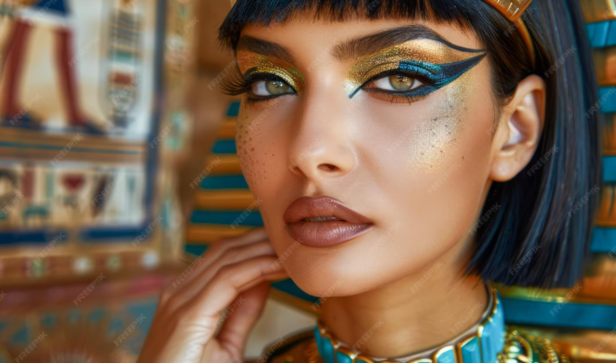
Beauty standards did not just happen. Those in positions of authority in society shaped them. What was deemed attractive in the past was determined by elites, religious leaders, and monarchs. These norms frequently represented social status, prosperity, or purity. For instance, in many societies, having pale complexion was considered a sign that a lady did not work outside. Delicate features, little feet, or long hair were frequently used to represent femininity and obedience. Industries later took over. Beauty became a commodity to be sold as media, fashion, and cosmetics expanded. Businesses taught women that without specific things, they were lacking. It was a subtle but powerful message. Women had to play by the rules in order to be liked, respected, or accepted. Beauty standards went beyond physical attractiveness. They aimed to mold behavior and maintain women's self-improvement focus.
The pressure to be beautiful never went away, even as criteria of beauty evolved over time. Bold eye makeup was a sign of strength and protection in ancient Egypt. Youth and symmetry were prized in ancient Greece and Rome. Pale skin and humility were prized during the Middle Ages. In certain Asian societies, women were socially and physically subjugated through customs such as foot tying. New values emerged with the contemporary period. Early in the 20th century, pale skin and slender bodies were preferred. Different physical forms were encouraged in later decades, but always within very rigid bounds. Every age promised freedom but substituted new regulations for the previous ones. Women were still expected to follow trends, even when beauty appeared to be more varied. The control remained the same, but the form altered. Women were still expected to pursue beauty, which was still a fluctuating target.
![Cost of Chasing Beauty]()
Women have been profoundly affected emotionally by the ongoing pressure to live up to beauty standards. Failure becomes personal when beauty standards are accepted as the norm. Women are taught to evaluate themselves against others at a young age. Appearance becomes a determinant of self-worth. Confidence fluctuates according to approval. Many women feel inadequate for years. Young enough, fair enough, and slim enough. These emotions are not unexpected. They receive instruction. Insecurity brought on by beauty standards keeps women preoccupied and critical of themselves. Energy is expended on correction and comparison rather than on freedom or growth. The price is not just emotional. It has an impact on relationships, mental health, and women's perceptions of their role in society.
![Modern Beauty]()
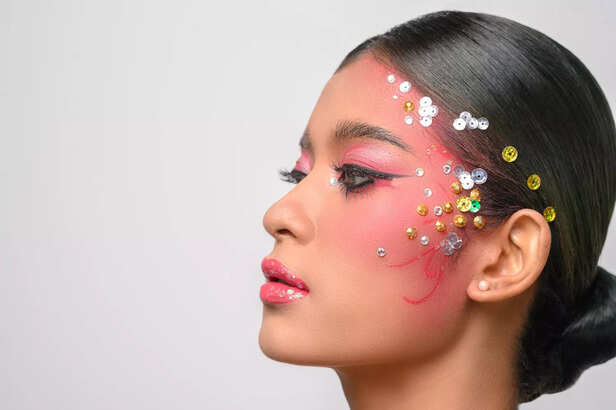
Beauty control appears different today, but it functions the same way. Royal courts and publications have been supplanted by social media, but the regulations remain in force. Trends, influencers, and filters quickly produce new ideas. It's glass skin one week. The next is perfect symmetry or contouring. Although they seem natural, these norms were thoughtfully created. Women are told they have choices in today's beauty culture, yet those choices are limited. Although you have a choice in appearance, you are nonetheless required to look a certain way. The pressure is worldwide and ongoing. Beauty is frequently used to sell empowerment as well. Love yourself, but purchase this item as well. Although the control is now softer, it is still present everywhere.
Women have been told throughout history that it is their duty to be beautiful. But choice isn't freedom without responsibility. Beauty turns into a duty when respect, safety, and acceptance are contingent on appearance. Instead of expressing themselves, many women adhered to the rules in order to survive. Even now, defying conventional standards of beauty can result in rejection or condemnation. This poses a significant query. Given the seriousness of the implications, how free is a choice? Only when there is no penalty for difference can there be true choice. Until then, standards of beauty continue to dictate conduct and subtly influence generations' lives.
Discover expert advice and the latest updates in Skin Care, Hair Care, Wellness, Dermatology, and more at Stay Young guide to lasting beauty and holistic health!
1. Who created beauty ideals in the past?
Beauty ideals were mostly shaped by people in power, such as rulers, religious leaders, and social elites. These standards often reflected class, control, and social expectations rather than personal choice.
2. Why did beauty standards focus so much on women?
Women were often judged by appearance because it was linked to obedience, marriage, and social value. Beauty became a way to control behavior without using direct force.
3. Have beauty ideals changed over time?
Yes, beauty ideals have changed across cultures and eras, but the pressure to meet them has remained constant. Old rules were replaced with new ones, not removed.
4. How do modern beauty trends continue this control?
Social media, influencers, and beauty industries promote narrow ideals while presenting them as personal choices. This keeps women focused on appearance and self-correction.
5. Can women truly choose beauty freely today?
Choice is limited when acceptance and respect depend on appearance. True freedom exists only when women are not judged or punished for not meeting beauty expectations.
Who Created Beauty Ideals and Why
Beautiful
Image credit : Freepik
Beauty standards did not just happen. Those in positions of authority in society shaped them. What was deemed attractive in the past was determined by elites, religious leaders, and monarchs. These norms frequently represented social status, prosperity, or purity. For instance, in many societies, having pale complexion was considered a sign that a lady did not work outside. Delicate features, little feet, or long hair were frequently used to represent femininity and obedience. Industries later took over. Beauty became a commodity to be sold as media, fashion, and cosmetics expanded. Businesses taught women that without specific things, they were lacking. It was a subtle but powerful message. Women had to play by the rules in order to be liked, respected, or accepted. Beauty standards went beyond physical attractiveness. They aimed to mold behavior and maintain women's self-improvement focus.
How Beauty Rules Changed Across Eras
The Psychological and Social Cost for Women
Cost of Chasing Beauty
Image credit : Freepik
Women have been profoundly affected emotionally by the ongoing pressure to live up to beauty standards. Failure becomes personal when beauty standards are accepted as the norm. Women are taught to evaluate themselves against others at a young age. Appearance becomes a determinant of self-worth. Confidence fluctuates according to approval. Many women feel inadequate for years. Young enough, fair enough, and slim enough. These emotions are not unexpected. They receive instruction. Insecurity brought on by beauty standards keeps women preoccupied and critical of themselves. Energy is expended on correction and comparison rather than on freedom or growth. The price is not just emotional. It has an impact on relationships, mental health, and women's perceptions of their role in society.
How Modern Beauty Trends Continue the Same Control
Modern Beauty
Image credit : Freepik
Beauty control appears different today, but it functions the same way. Royal courts and publications have been supplanted by social media, but the regulations remain in force. Trends, influencers, and filters quickly produce new ideas. It's glass skin one week. The next is perfect symmetry or contouring. Although they seem natural, these norms were thoughtfully created. Women are told they have choices in today's beauty culture, yet those choices are limited. Although you have a choice in appearance, you are nonetheless required to look a certain way. The pressure is worldwide and ongoing. Beauty is frequently used to sell empowerment as well. Love yourself, but purchase this item as well. Although the control is now softer, it is still present everywhere.
Did Women Ever Truly Have a Choice
Discover expert advice and the latest updates in Skin Care, Hair Care, Wellness, Dermatology, and more at Stay Young guide to lasting beauty and holistic health!
Frequently Asked Questions (FAQs)
Beauty ideals were mostly shaped by people in power, such as rulers, religious leaders, and social elites. These standards often reflected class, control, and social expectations rather than personal choice.
2. Why did beauty standards focus so much on women?
Women were often judged by appearance because it was linked to obedience, marriage, and social value. Beauty became a way to control behavior without using direct force.
3. Have beauty ideals changed over time?
Yes, beauty ideals have changed across cultures and eras, but the pressure to meet them has remained constant. Old rules were replaced with new ones, not removed.
4. How do modern beauty trends continue this control?
Social media, influencers, and beauty industries promote narrow ideals while presenting them as personal choices. This keeps women focused on appearance and self-correction.
5. Can women truly choose beauty freely today?
Choice is limited when acceptance and respect depend on appearance. True freedom exists only when women are not judged or punished for not meeting beauty expectations.