
Why Your Lipstick Looks Different on You Than on Others
Vaishnavi Mall | Mar 04, 2026, 09:00 IST

Lipstick Shade
Image credit : Freepik
Have you ever tried a lipstick that looked amazing on your favorite influencer or friend but looked totally different on you? You're not by yourself. Lighting, natural lip color, skin undertone, and even the formula you select can all affect the color of your lipstick. What is vivid red to one individual may appear pink or orange to another. This article provides a straightforward explanation of why this occurs as well as tips for selecting shades that actually work for you.
Purchasing lipstick might be perplexing. When you apply the same hue that you see online or on a friend, it doesn't seem the same. It can appear brighter, darker, or even a whole different shade at times. Although it's not always the case, a lot of people believe that the brand is to fault. Lipstick is not a blank canvas. It blends in with your natural lip color, undertone, and skin tone. Texture and lighting also have an impact. You can avoid disappointment and financial loss by being aware of these minor issues. Selecting the appropriate lipstick becomes lot simpler if you understand why hues vary.
Your
![Undertone Changes]()
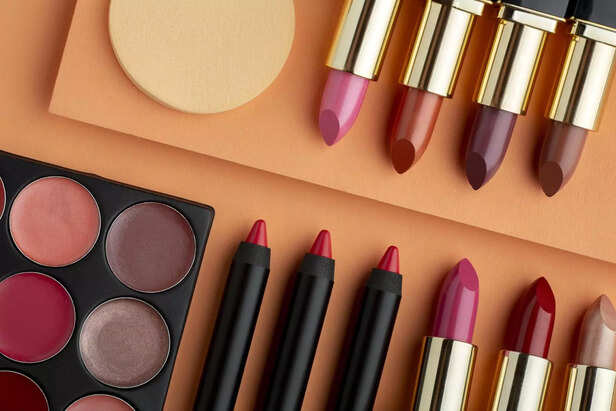
The majority of people are aware of their skin tone, such as fair, medium, or deep. However, the undertone is distinct. The faint hue that lies beneath the surface of your skin is called an undertone. Typically, it can be classified as either neutral, chilly, or warm. There are touches of yellow or golden tones in warm undertones. Pink or bluish tones are indicative of cool undertones. Both are combined to create neutral undertones. The pigment in lipstick interacts with the undertone of your skin when you apply it. For instance, on someone with warm undertones, a traditional red lipstick can appear rather orange. For someone with cold undertones, the same red may be the cherry on top. For this reason, even if two persons have comparable skin depth, the same shade may appear different. You might have warm undertones if you think most pink lipsticks look too purple on you. You may have cool undertones if coral hues appear odd or overly bright. Understanding your undertone enables you to choose hues that complement rather than contradict your inherent coloring.
Your lips are not blank or colorless. While some people have brownish or pigmented lips, others have pale pink lips. The original lip color melds with the lipstick when it is applied. If your lips are darker or more pigmented, a light nude shade may not show up as it does on someone with lighter lips. It could appear somewhat subdued or deeper. However, the same naked appearance could seem brighter to someone with extremely pale lips. This is particularly apparent in recipes that are sheer or creamy. Your natural lip color can be seen thanks to these solutions. The base color of your lips can cause even matte lipsticks to change significantly. Some people neutralize their natural lip color with a lip liner or a small quantity of concealer if they desire the exact shade shown in the container. This makes the lipstick's base more uniform.
![Lighting Can Change]()
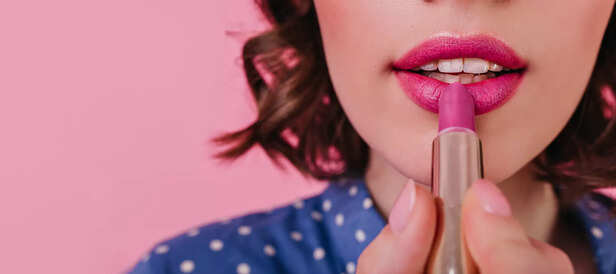
Everything is altered by lighting. In natural sunshine, a lipstick that appears flawless in a store might not look the same. Shades may appear softer or more attractive because store lights are frequently bright and cool-toned.
Natural light can highlight undertones you were previously unaware of when you step outside. Red lipsticks may appear warmer with yellow interior illumination. Nude hues may appear washed out or pale in white office lighting. A lipstick's appearance can even be altered by phone cameras. Color perception is influenced by flash, filters, and screen brightness. This explains why a lipstick may appear fantastic on pictures but rather different in person. Before determining whether or not you adore your lipstick, try it in several lighting conditions. In daylight, move close to a window or use a mirror. You can see the actual shade more clearly as a result.
Lip Texture and Formula Make a Difference
![Lipstick Formula]()
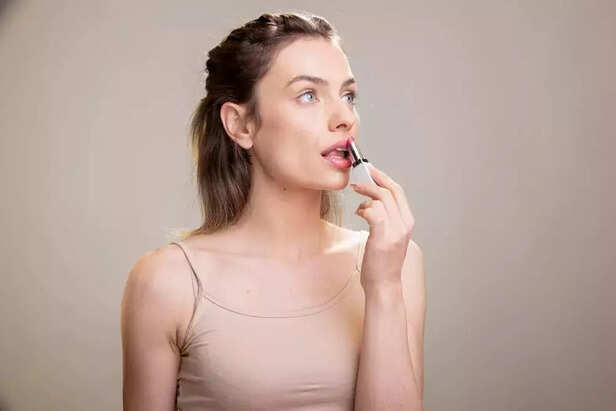
Every lipstick is produced differently. The color's appearance is greatly influenced by the recipe. Typically, matte lipsticks have a deeper, more intense appearance. Light is reflected by glossy lipsticks, giving the shade a brighter, sometimes lighter appearance. Satin and creamy finishes are in the middle. They may appear more organic and softer. In a glossy formula, a shade that appears assertive in a matte version could seem faint. Lip texture is important as well. Matte lipstick may become uneven if your lips are dry or have fine wrinkles. As a result, the hue may appear lighter in some places and darker in others. Lipstick applies more evenly on lips that are smooth and well-hydrated. You can enhance the shade's appearance by taking easy procedures like using lip balm and lightly exfoliating.
It's quite natural for lipstick to look different on you than on other people. It has nothing to do with right or wrong. It's about realizing how your distinctive traits interact with colors. The combination of your skin tone, natural lip color, lighting, and formula can alter the outcome. Use this information to make smarter decisions rather than feeling let down. Try using hues that complement your undertone. Use natural light to test them. Observe how various finishes affect your lips. Makeup is a personal choice. It's acceptable that what works for one individual could not work for another. The goal is not to copy someone else but to find what makes you feel confident. Finding the ideal shade of lipstick becomes less stressful and more enjoyable if you understand why it varies.
Discover expert advice and the latest updates in Skin Care, Hair Care, Wellness, Dermatology, and more at Stay Young guide to lasting beauty and holistic health!
1. Why does the same lipstick look different on me than on my friend?
Lipstick reacts with your skin undertone and natural lip color. Even if two people wear the same shade, differences in undertone and lip pigmentation can change how the color appears.
2. How can I find my skin undertone for choosing lipstick?
You can check your undertone by looking at the veins on your wrist. Green veins usually suggest warm undertones, blue or purple veins suggest cool undertones, and a mix often means neutral undertones.
3. Does natural lip color affect lipstick shade?
Yes, your natural lip color blends with the lipstick. If your lips are darker or pigmented, the final shade may look deeper compared to someone with lighter lips.
4. Why does lipstick look different in store lighting?
Store lighting, sunlight, and indoor lighting can all change how a shade appears. It is always better to check the color in natural light before making a final decision.
5. Does lipstick formula change how the color looks?
Yes, matte, glossy, and creamy formulas reflect light differently. Matte shades often look deeper, while glossy finishes can make colors appear brighter.
Your Skin Undertone Changes Everything
Undertone Changes
Image credit : Freepik
The majority of people are aware of their skin tone, such as fair, medium, or deep. However, the undertone is distinct. The faint hue that lies beneath the surface of your skin is called an undertone. Typically, it can be classified as either neutral, chilly, or warm. There are touches of yellow or golden tones in warm undertones. Pink or bluish tones are indicative of cool undertones. Both are combined to create neutral undertones. The pigment in lipstick interacts with the undertone of your skin when you apply it. For instance, on someone with warm undertones, a traditional red lipstick can appear rather orange. For someone with cold undertones, the same red may be the cherry on top. For this reason, even if two persons have comparable skin depth, the same shade may appear different. You might have warm undertones if you think most pink lipsticks look too purple on you. You may have cool undertones if coral hues appear odd or overly bright. Understanding your undertone enables you to choose hues that complement rather than contradict your inherent coloring.
Your Natural Lip Color Affects the Final Shade
Lighting and Environment Matter
Lighting Can Change
Image credit : Freepik
Everything is altered by lighting. In natural sunshine, a lipstick that appears flawless in a store might not look the same. Shades may appear softer or more attractive because store lights are frequently bright and cool-toned.
Natural light can highlight undertones you were previously unaware of when you step outside. Red lipsticks may appear warmer with yellow interior illumination. Nude hues may appear washed out or pale in white office lighting. A lipstick's appearance can even be altered by phone cameras. Color perception is influenced by flash, filters, and screen brightness. This explains why a lipstick may appear fantastic on pictures but rather different in person. Before determining whether or not you adore your lipstick, try it in several lighting conditions. In daylight, move close to a window or use a mirror. You can see the actual shade more clearly as a result.
Lip Texture and Formula Make a Difference
Lipstick Formula
Image credit : Freepik
Every lipstick is produced differently. The color's appearance is greatly influenced by the recipe. Typically, matte lipsticks have a deeper, more intense appearance. Light is reflected by glossy lipsticks, giving the shade a brighter, sometimes lighter appearance. Satin and creamy finishes are in the middle. They may appear more organic and softer. In a glossy formula, a shade that appears assertive in a matte version could seem faint. Lip texture is important as well. Matte lipstick may become uneven if your lips are dry or have fine wrinkles. As a result, the hue may appear lighter in some places and darker in others. Lipstick applies more evenly on lips that are smooth and well-hydrated. You can enhance the shade's appearance by taking easy procedures like using lip balm and lightly exfoliating.
Finding Your Perfect Lipstick Match with Confidence
Discover expert advice and the latest updates in Skin Care, Hair Care, Wellness, Dermatology, and more at Stay Young guide to lasting beauty and holistic health!
Frequently Asked Question (FAQs)
Lipstick reacts with your skin undertone and natural lip color. Even if two people wear the same shade, differences in undertone and lip pigmentation can change how the color appears.
2. How can I find my skin undertone for choosing lipstick?
You can check your undertone by looking at the veins on your wrist. Green veins usually suggest warm undertones, blue or purple veins suggest cool undertones, and a mix often means neutral undertones.
3. Does natural lip color affect lipstick shade?
Yes, your natural lip color blends with the lipstick. If your lips are darker or pigmented, the final shade may look deeper compared to someone with lighter lips.
4. Why does lipstick look different in store lighting?
Store lighting, sunlight, and indoor lighting can all change how a shade appears. It is always better to check the color in natural light before making a final decision.
5. Does lipstick formula change how the color looks?
Yes, matte, glossy, and creamy formulas reflect light differently. Matte shades often look deeper, while glossy finishes can make colors appear brighter.