
3 Powerful Japanese Remedies That May Help Alopecia
Noopur Kumari | Jun 17, 2026, 09:00 IST

Japanese Remedies for Alopecia Revealed
Image credit : freepik
Japan's approach to hair care has always focused on nourishment, consistency, and overall wellness. From camellia oil and rice water to antioxidant-rich green tea, these traditional remedies were designed to support scalp health and strengthen hair naturally. While they are not medical cures for alopecia, many people still use them as part of a holistic hair-care routine.
Hair loss can be frustrating, emotional, and deeply personal. For people dealing with alopecia, every strand lost can feel like a loss of confidence. While modern treatments continue to evolve, many people are now looking back at traditional wellness practices for support. Interestingly, centuries before expensive serums and hair-growth technologies existed, Japanese women relied on simple natural ingredients to care for their hair. These remedies were passed down through generations and became part of everyday beauty rituals. Could these ancient traditions hold valuable lessons for healthier hair today?
![Ancient Wisdom for Modern Hair Concerns]()
Hair care in Japan has never been just about appearance. It has traditionally been viewed as an extension of overall health and self-care. Instead of searching for quick fixes, Japanese beauty practices focused on nourishing the scalp, protecting hair strands, and maintaining long-term hair health. This philosophy remains relevant today, especially for people looking for gentle, natural ways to support their hair. While these remedies cannot replace medical treatment for alopecia, they may complement a healthy hair-care routine by promoting stronger, healthier-looking hair over time.
![Camellia Oil]()
Camellia oil, also known as Tsubaki oil, has long been associated with healthy, glossy hair in Japan. Rich in antioxidants, vitamins, and essential fatty acids, it helps nourish dry strands and support scalp hydration. Traditionally used by Japanese women and geishas, the oil is often applied before washing or used sparingly as a leave-in treatment. Its lightweight texture allows it to moisturize without leaving hair excessively greasy. Consistent use may help improve hair softness, reduce breakage, and create an environment that supports healthier hair growth.
Rice water may seem simple, but it has been a trusted hair-care remedy in Japan for generations. Rich in amino acids, vitamins, and minerals, it is believed to improve hair strength and elasticity. Many Japanese women traditionally used rice water as a final rinse after washing their hair. Some even applied it as a nourishing hair mask. The starchy liquid coats the strands, helping them appear smoother, shinier, and healthier. Its popularity continues today among people seeking affordable and natural ways to support stronger-looking hair.
Most people know green tea as a healthy beverage, but in Japan, it has also been used as a hair rinse. Green tea contains antioxidants called catechins, which help protect the scalp from environmental stress. A cooled green tea rinse can leave hair feeling refreshed while adding natural shine. Many people enjoy its soothing effect on the scalp, especially during hot weather. Although green tea cannot cure alopecia, its antioxidant properties may help support overall scalp health when incorporated into a regular hair-care routine.
One of the most important Japanese beauty philosophies is that external care alone is not enough. Healthy hair begins with proper nutrition. Traditional Japanese diets often include vegetables, fish, seaweed, soy products, and nutrient-rich foods that provide essential vitamins and minerals. Protein, iron, zinc, and omega-3 fatty acids all contribute to healthy hair growth. While topical remedies may improve the appearance of hair, nutritional support helps nourish follicles from within. This holistic approach remains one of the foundations of Japanese wellness culture.
One reason these traditional remedies remained popular for centuries is their simplicity. Japanese hair care emphasizes regular, gentle maintenance rather than occasional intensive treatments. A consistent routine that includes scalp care, proper cleansing, balanced nutrition, and protective habits can often produce better results than constantly switching products. While dramatic overnight changes are unlikely, small daily practices can gradually improve hair quality. Patience and consistency are key elements of the Japanese approach to beauty and wellness, especially when it comes to hair care.
Although these remedies have a long history of use, alopecia is a medical condition that may require professional diagnosis and treatment. Hair loss can result from autoimmune conditions, hormonal changes, stress, nutritional deficiencies, or genetics. Natural remedies should be viewed as supportive practices rather than guaranteed solutions. If hair loss is sudden, severe, or persistent, consulting a dermatologist is important. Combining traditional self-care methods with expert medical advice offers the best chance of maintaining healthy hair and addressing underlying causes effectively.
Discover expert advice and the latest updates in Skin Care, Hair Care, Wellness, Dermatology, and more at Stay Young guide to lasting beauty and holistic health!
Why Traditional Hair Rituals Still Matter

Ancient Wisdom for Modern Hair Concerns
Image credit : freepik
Hair care in Japan has never been just about appearance. It has traditionally been viewed as an extension of overall health and self-care. Instead of searching for quick fixes, Japanese beauty practices focused on nourishing the scalp, protecting hair strands, and maintaining long-term hair health. This philosophy remains relevant today, especially for people looking for gentle, natural ways to support their hair. While these remedies cannot replace medical treatment for alopecia, they may complement a healthy hair-care routine by promoting stronger, healthier-looking hair over time.
The Beauty Secret of Camellia Oil
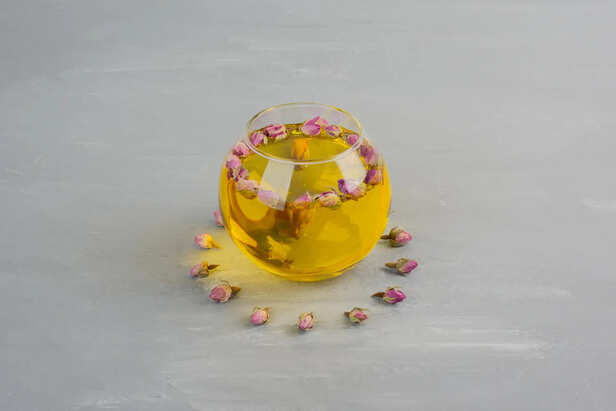
Camellia Oil
Image credit : freepik
Camellia oil, also known as Tsubaki oil, has long been associated with healthy, glossy hair in Japan. Rich in antioxidants, vitamins, and essential fatty acids, it helps nourish dry strands and support scalp hydration. Traditionally used by Japanese women and geishas, the oil is often applied before washing or used sparingly as a leave-in treatment. Its lightweight texture allows it to moisturize without leaving hair excessively greasy. Consistent use may help improve hair softness, reduce breakage, and create an environment that supports healthier hair growth.
The Surprising Power of Rice Water
Green Tea Beyond the Cup
The Diet Connection Few People Notice
Consistency Makes the Difference
What You Should Know Before Trying Them
Discover expert advice and the latest updates in Skin Care, Hair Care, Wellness, Dermatology, and more at Stay Young guide to lasting beauty and holistic health!