
7 Hair Changes You Should Never Ignore
Noopur Kumari | Jun 16, 2026, 10:00 IST

Hair Is Trying
Image credit : freepik
One morning you notice more hair on your pillow. A few weeks later, your hair feels thinner. Then the texture changes. Most people blame stress, weather, or age. But sometimes the real cause is hiding much deeper. Your hair follicles are incredibly sensitive to changes happening inside your body. From nutrient deficiencies to hormone imbalances, your hair may be revealing important clues long before other symptoms appear.
Most people think hair is only about beauty. A good haircut, a new style, or a favorite shampoo seems to be all that matters. But what if your hair is doing something much more important? What if those extra strands in your shower, sudden thinning, unexpected greying, or a constantly itchy scalp are actually messages from your body? Long before many illnesses create obvious symptoms, your hair often reacts first. The question is: are you paying attention?
![Hair]()
Hair follicles are among the most active structures in the body. They require oxygen, nutrients, hormones, and healthy blood flow to function properly. When the body experiences an imbalance, hair is often one of the first places where problems appear. This happens because hair growth is not essential for survival, so the body prioritizes vital organs when resources become limited. As a result, changes in hair growth, thickness, or texture can provide valuable clues about underlying health concerns that may otherwise go unnoticed.
Finding a few hairs on your brush is normal. However, noticeable thinning or excessive shedding may indicate something more significant. Conditions such as iron deficiency, anemia, hormonal imbalances, and nutritional deficiencies can disrupt the hair growth cycle. Hair follicles rely on a constant supply of nutrients and oxygen. When those resources become scarce, the follicles respond by slowing growth and increasing shedding. While hair loss does not always indicate illness, sudden or dramatic changes deserve attention and should not be ignored.
The thyroid gland helps regulate metabolism, energy levels, and many processes throughout the body. When thyroid hormones become imbalanced, hair often reflects the change. An underactive thyroid may cause dry, brittle, and thinning hair, while an overactive thyroid can result in fragile strands that fall out more easily. Some people even notice thinning eyebrows. Because these symptoms often develop gradually, many overlook them. Yet the hair may be quietly revealing a hormone problem that deserves medical evaluation.
Stress affects far more than emotions. During prolonged periods of anxiety, the body produces higher levels of cortisol. This stress hormone can disrupt normal hair growth cycles and push large numbers of follicles into a resting phase. Several weeks or months later, noticeable shedding may begin. Many people are surprised when hair loss appears long after a stressful event. However, the connection is real. The scalp often becomes a visible record of what the body has experienced emotionally and physically.
Hair requires protein, iron, zinc, vitamins, and healthy fats to grow properly. When these nutrients are lacking, hair may become weak, dull, brittle, or slow-growing. Some people notice increased breakage, while others experience widespread thinning. Crash diets and poor eating habits can accelerate these problems. The body simply does not have enough resources to support strong hair growth. In many cases, improving nutrition helps restore healthier hair over time, making diet one of the most important factors in hair health.
Hair loss is not always related to nutrition or stress. Sometimes the immune system mistakenly attacks healthy hair follicles, causing conditions such as alopecia areata. This often results in sudden, round patches of hair loss. The follicles are usually not permanently destroyed, but the immune response interrupts normal growth. Early diagnosis can make a significant difference. Recognizing unusual patterns instead of dismissing them as ordinary shedding may help identify autoimmune conditions before they progress further.
The most important lesson is simple: pay attention. Hair changes should not create panic, but they should encourage awareness. If your hair suddenly behaves differently, it may be worth looking beyond styling products and beauty treatments. Consult a healthcare professional, review your diet, manage stress, and monitor other symptoms. Hair often acts as an early messenger, providing clues before larger health issues become obvious. Listening to those clues can help you address potential problems sooner rather than later.
Discover expert advice and the latest updates in Skin Care, Hair Care, Wellness, Dermatology, and more at Stay Young guide to lasting beauty and holistic health!
Your Hair Is an Early Warning System
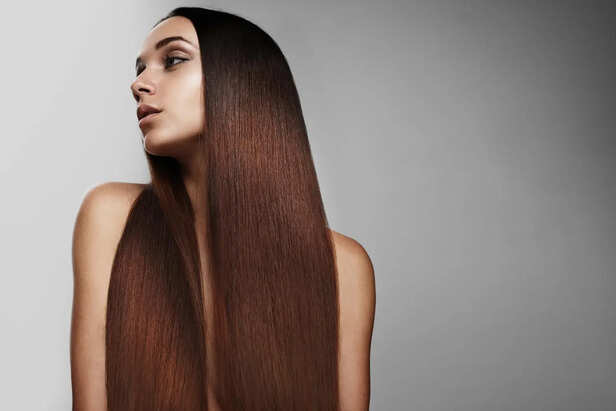
Hair
Image credit : freepik
Hair follicles are among the most active structures in the body. They require oxygen, nutrients, hormones, and healthy blood flow to function properly. When the body experiences an imbalance, hair is often one of the first places where problems appear. This happens because hair growth is not essential for survival, so the body prioritizes vital organs when resources become limited. As a result, changes in hair growth, thickness, or texture can provide valuable clues about underlying health concerns that may otherwise go unnoticed.
When Hair Loss Means More Than Hair Loss
Finding a few hairs on your brush is normal. However, noticeable thinning or excessive shedding may indicate something more significant. Conditions such as iron deficiency, anemia, hormonal imbalances, and nutritional deficiencies can disrupt the hair growth cycle. Hair follicles rely on a constant supply of nutrients and oxygen. When those resources become scarce, the follicles respond by slowing growth and increasing shedding. While hair loss does not always indicate illness, sudden or dramatic changes deserve attention and should not be ignored.
The Thyroid's Hidden Impact
Why Stress Shows Up on Your Scalp
Nutrient Deficiencies Leave Visible Clues
Patchy Hair Loss Can Signal Autoimmune Issues
Listen Before the Signs Get Louder
Discover expert advice and the latest updates in Skin Care, Hair Care, Wellness, Dermatology, and more at Stay Young guide to lasting beauty and holistic health!