
8 Simple Fixes for Healthy Hair at Night
Noopur Kumari | Mar 20, 2026, 13:16 IST

8 Secrets to Stop Hair Loss
Image credit : freepik.
Hair loss can feel sudden and frustrating, but much of it happens during sleep. Tossing, turning, and improper hair care at night silently weaken your strands. The good news? Simple, natural fixes can stop hair fall before it starts. From protective hairstyles to scalp rituals, pillowcase choices, and nourishing oils, you can protect your hair while you rest. These 8 easy habits integrate seamlessly into your nighttime routine, giving you stronger, healthier hair without expensive products. Wake up with confidence, not loose strands, every single morning.
Every night, while you sleep, your hair is quietly under attack. Friction, dryness, and lack of nourishment can cause breakage and thinning. But what if a few small habits could turn your bed into a hair-protecting sanctuary? In just minutes before sleep, you can strengthen strands, reduce breakage, and wake up to fuller, healthier hair. These 8 fixes are natural, simple, and proven to make a difference no harsh chemicals or expensive treatments required.
![Silk Pillowcase for Hair Care]()
Switching to a silk or satin pillowcase can be a game-changer for your hair health. Unlike cotton, which creates friction and pulls at delicate strands, silk and satin allow hair to glide smoothly while you sleep. This reduces tangles, prevents breakage, and minimizes split ends. These materials also help retain your hair’s natural moisture, keeping it hydrated and shiny. Over time, consistent use strengthens hair from root to tip, making it softer, more manageable, and resilient against damage. A simple change in your nightly routine can have long-lasting, visible effects on the overall health of your hair.
![Loose Braid to Prevent Hair Fall]()
Tightly tied hair during sleep can strain your roots, leading to breakage, hair fall, and weak strands over time. A simple solution is to tie your hair in a loose braid or bun before bedtime. This keeps the hair contained, minimizes friction against your pillow, and prevents annoying knots that cause tangles in the morning. By reducing unnecessary pulling and stress on your strands, you protect the hair shaft from damage. Practicing this habit consistently allows you to wake up with smoother, healthier-looking hair, fewer tangles, and significantly less shedding, promoting stronger and longer hair naturally.
![Scalp Massage with Hair Oils]()
Coconut, almond, and argan oils are natural powerhouses for hair health. Applying them before bed nourishes the scalp and delivers essential nutrients directly to your strands. A gentle 5-minute scalp massage boosts blood circulation, strengthens roots, and encourages hair growth over time. These oils also lock in moisture, preventing dryness, frizz, and breakage, especially overnight when hair is most vulnerable. Regular nightly application creates a protective barrier, reduces split ends, and improves shine and softness. This simple ritual doesn’t just treat hair externally, it revitalizes it from the root, making your hair healthier, stronger, and more resilient.
Sleeping with wet hair is more damaging than most people realize. When hair is wet, the strands are weaker, more elastic, and prone to stretching, tangling, and breakage. Tossing and turning at night increases friction against your pillow, which can lead to split ends and hair fall. To protect your hair, always dry it completely before bed, either by air-drying for a short period or gently towel-drying to remove excess moisture. Making this a consistent nightly habit strengthens hair over time, reduces breakage, and ensures you wake up with healthier, smoother, and more resilient strands every morning.
Discover expert advice and the latest updates in Skin Care, Hair Care, Wellness, Dermatology, and more at Stay Young guide to lasting beauty and holistic health!
1. Can sleeping with wet hair really cause hair loss?
Yes. Wet hair is fragile and more prone to breakage due to friction with pillows and natural tossing at night.
2. Is towel-drying enough to prevent damage?
Towel-drying gently removes excess moisture, reducing friction. Avoid rough rubbing to prevent breakage.
3. Should I use a hair serum before bed?
Light hair serums or oils can strengthen strands, reduce friction, and keep hair smooth overnight.
4. Does pillow material affect hair health?
Yes. Silk or satin pillowcases reduce friction and minimize breakage compared to cotton.
5. How often should I follow these practices?
Consistency is key. Make drying and protective habits a nightly routine for best results.
Sleep on a Silk or Satin Pillowcase

Silk Pillowcase for Hair Care
Image credit : freepik
Switching to a silk or satin pillowcase can be a game-changer for your hair health. Unlike cotton, which creates friction and pulls at delicate strands, silk and satin allow hair to glide smoothly while you sleep. This reduces tangles, prevents breakage, and minimizes split ends. These materials also help retain your hair’s natural moisture, keeping it hydrated and shiny. Over time, consistent use strengthens hair from root to tip, making it softer, more manageable, and resilient against damage. A simple change in your nightly routine can have long-lasting, visible effects on the overall health of your hair.
Tie Your Hair in a Loose Braid or Bun

Loose Braid to Prevent Hair Fall
Image credit : Freepik.
Tightly tied hair during sleep can strain your roots, leading to breakage, hair fall, and weak strands over time. A simple solution is to tie your hair in a loose braid or bun before bedtime. This keeps the hair contained, minimizes friction against your pillow, and prevents annoying knots that cause tangles in the morning. By reducing unnecessary pulling and stress on your strands, you protect the hair shaft from damage. Practicing this habit consistently allows you to wake up with smoother, healthier-looking hair, fewer tangles, and significantly less shedding, promoting stronger and longer hair naturally.
Apply Natural Oils Before Bed
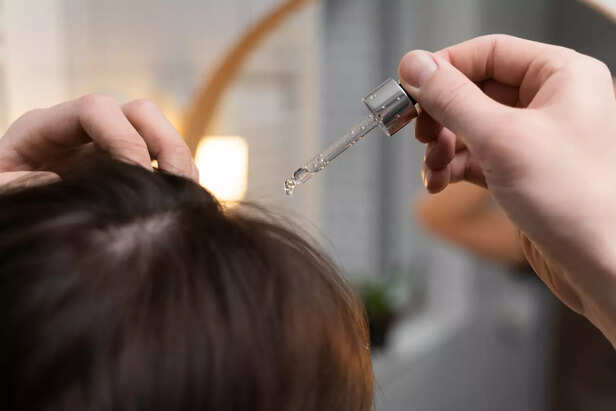
Scalp Massage with Hair Oils
Image credit : freepik
Coconut, almond, and argan oils are natural powerhouses for hair health. Applying them before bed nourishes the scalp and delivers essential nutrients directly to your strands. A gentle 5-minute scalp massage boosts blood circulation, strengthens roots, and encourages hair growth over time. These oils also lock in moisture, preventing dryness, frizz, and breakage, especially overnight when hair is most vulnerable. Regular nightly application creates a protective barrier, reduces split ends, and improves shine and softness. This simple ritual doesn’t just treat hair externally, it revitalizes it from the root, making your hair healthier, stronger, and more resilient.
Avoid Sleeping with Wet Hair
Discover expert advice and the latest updates in Skin Care, Hair Care, Wellness, Dermatology, and more at Stay Young guide to lasting beauty and holistic health!
Frequently Asked Questions (FAQs)
Yes. Wet hair is fragile and more prone to breakage due to friction with pillows and natural tossing at night.
2. Is towel-drying enough to prevent damage?
Towel-drying gently removes excess moisture, reducing friction. Avoid rough rubbing to prevent breakage.
3. Should I use a hair serum before bed?
Light hair serums or oils can strengthen strands, reduce friction, and keep hair smooth overnight.
4. Does pillow material affect hair health?
Yes. Silk or satin pillowcases reduce friction and minimize breakage compared to cotton.
5. How often should I follow these practices?
Consistency is key. Make drying and protective habits a nightly routine for best results.