
Can Phone Screens and Stress Affect Hair Health?
Noopur Kumari | Jun 20, 2026, 11:00 IST

Phone Be Secretly Damaging Your Hair
Image credit : freepik
Hair health depends on much more than shampoo and hair oil. Factors such as sleep quality, stress levels, hormonal balance, and inflammation play a major role in maintaining healthy hair growth. While phone screens are not proven to directly cause hair loss, excessive screen use can contribute to sleep disruption and chronic stress, two factors strongly linked to hair shedding and poor scalp health. Understanding this connection may explain why many people experience hair problems despite following good haircare routines.
You check your phone hundreds of times a day. You scroll before bed. You answer messages during meals. And chances are, you're reading this on a screen right now. But what if this everyday habit is affecting more than your attention span? What if it is quietly influencing your hair health too? While phone screens are not directly causing baldness, researchers are beginning to explore how excessive screen exposure, poor sleep, and chronic stress may create conditions that affect hair growth. The surprising part is that the biggest threat may not be the screen itself. It may be what the screen is doing to your lifestyle.
![A Screen-Filled Life]()
Smartphones have become extensions of ourselves. From the moment we wake up until the moment we sleep, screens dominate our attention. The issue is not simply the device but the lifestyle surrounding it. Endless notifications, social media pressure, and constant connectivity keep the brain stimulated for hours. This continuous mental engagement prevents the body from fully relaxing. Over time, the effects can accumulate in subtle ways, impacting energy levels, sleep quality, and even physical health including the health of your hair.
Hair follicles are surprisingly sensitive to stress. During periods of prolonged emotional or physical stress, the body increases production of cortisol, the primary stress hormone. Elevated cortisol can push more hair follicles into a resting phase, leading to increased shedding weeks or even months later. Many people notice sudden hair fall and blame their shampoo or diet. In reality, the trigger may have occurred long before the hair started falling. Stress creates a delayed reaction that often catches people by surprise.
Late-night scrolling may feel harmless, but it often comes at the expense of sleep. Blue light exposure and mental stimulation can delay melatonin production, making it harder to fall asleep. During sleep, the body repairs tissues, regulates hormones, and supports healthy hair growth cycles. When sleep becomes inconsistent, these processes suffer. The result may include increased shedding, slower growth, and reduced hair quality. Many people spend money on treatments while overlooking one of the most powerful tools for healthy hair: proper rest.
Blue light from screens has become a popular topic in health discussions. While current evidence does not show that phone screens directly cause significant hair loss, some laboratory studies suggest that excessive blue light exposure may contribute to oxidative stress in cells. The real-world impact on hair remains unclear. However, experts agree on one thing: the indirect effects of excessive screen use such as stress, poor sleep, and unhealthy habits are far more significant and well established than any direct effect of blue light itself.
Excessive screen use rarely exists in isolation. It often comes alongside reduced physical activity, irregular meals, increased stress, and shortened sleep. Together, these factors create an environment where hair struggles to thrive. Hair follicles require nutrients, circulation, hormonal balance, and recovery time. When lifestyle habits consistently disrupt these foundations, hair health often becomes one of the first visible warning signs. The issue is not the phone alone it is the chain reaction it can trigger throughout daily life.
Imagine someone working remotely, spending ten hours on a computer and several more on a phone each evening. They begin experiencing hair shedding, fatigue, and poor sleep. Concerned, they try multiple hair products without success. Eventually, they reduce screen time before bed, prioritize exercise, improve sleep habits, and manage stress more effectively. Within months, their energy improves and hair shedding decreases. The lesson is powerful: sometimes the solution lies not in a new product but in a healthier routine.
Protecting hair health starts with supporting the body. Establish a screen-free period before bedtime, prioritize seven to eight hours of sleep, exercise regularly, and manage stress through mindfulness or relaxation techniques. Eat a balanced diet rich in protein, iron, vitamins, and healthy fats. Stay hydrated and avoid excessive reliance on quick fixes. These habits may seem simple, but they create the conditions hair follicles need to function properly. Long-term consistency often delivers better results than any miracle product.
Discover expert advice and the latest updates in Skin Care, Hair Care, Wellness, Dermatology, and more at Stay Young guide to lasting beauty and holistic health!
The Modern Habit Nobody Questions
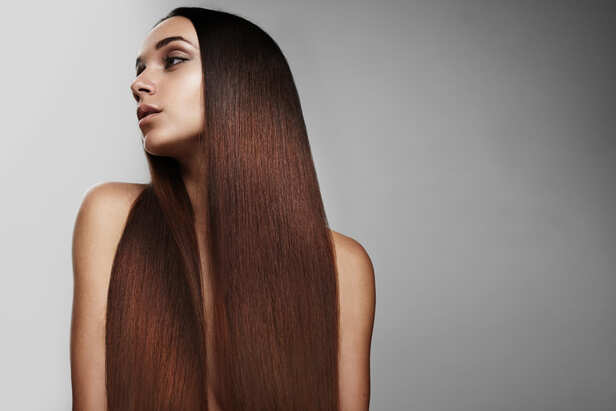
A Screen-Filled Life
Image credit : freepik
Smartphones have become extensions of ourselves. From the moment we wake up until the moment we sleep, screens dominate our attention. The issue is not simply the device but the lifestyle surrounding it. Endless notifications, social media pressure, and constant connectivity keep the brain stimulated for hours. This continuous mental engagement prevents the body from fully relaxing. Over time, the effects can accumulate in subtle ways, impacting energy levels, sleep quality, and even physical health including the health of your hair.
Why Stress Targets Your Hair
Hair follicles are surprisingly sensitive to stress. During periods of prolonged emotional or physical stress, the body increases production of cortisol, the primary stress hormone. Elevated cortisol can push more hair follicles into a resting phase, leading to increased shedding weeks or even months later. Many people notice sudden hair fall and blame their shampoo or diet. In reality, the trigger may have occurred long before the hair started falling. Stress creates a delayed reaction that often catches people by surprise.
The Sleep Connection Most People Miss
Does Blue Light Affect Hair?
The Lifestyle Spiral
A Story Many People Recognize
Protecting Your Hair in a Digital World
Discover expert advice and the latest updates in Skin Care, Hair Care, Wellness, Dermatology, and more at Stay Young guide to lasting beauty and holistic health!