You wash your hair, the flakes disappear and you think the problem is finally over. Then a few days later, those familiar white flakes return to your shoulders. Recurring dandruff can be frustrating because simply washing your hair more often does not always solve it. In fact, using harsh products or repeatedly scrubbing your scalp can sometimes make an already irritated scalp feel worse. Dandruff is common, and it can be influenced by several factors, including oil production, a yeast called Malassezia, skin sensitivity and environmental conditions. The goal is not to keep attacking your scalp but to find a routine that keeps it clean without unnecessary irritation.
Start With Your Scalp, Not Your Hair Length
When you have dandruff, your scalp needs most of the attention. Shampoo should primarily be worked into the scalp rather than aggressively rubbed through the entire length of your hair. Massage gently with your fingertips and allow the shampoo to cleanse the scalp. Scratching with your nails can irritate the skin and potentially make discomfort worse. Your hair lengths generally need a gentler approach, particularly if they are dry or chemically treated.
Rinse Your Shampoo Properly
![Rinsing Properly Prevents Scalp Irritation]()
Rinsing Properly Prevents Scalp Irritation
Image credit : FreePik
Leftover shampoo residue can irritate a sensitive scalp, especially with medicated products. Follow the wait-time instructions instead of assuming longer contact means better results.
Leaving product residue on your scalp can contribute to irritation, particularly if you are sensitive to certain ingredients. Take enough time to rinse thoroughly after shampooing. This becomes especially important when you use medicated or anti-dandruff products that are intended to remain on the scalp for a specific amount of time before rinsing. Follow the instructions on the product rather than assuming that leaving it on longer will make it work better.
Don’t Keep Switching Shampoos Every Few Days
When dandruff returns, it is tempting to buy another shampoo immediately. But constantly changing products makes it difficult to understand what actually works for your scalp. If you are using an anti-dandruff shampoo, follow its instructions and give the routine enough consistency to evaluate it. Different anti-dandruff shampoos contain different active ingredients, so what works for one person may not work for another. If a product causes significant irritation, stop using it and consider professional advice.
Wash Your Scalp According to Its Needs
There is no universal rule that everyone with dandruff should wash their hair every day. If your scalp becomes oily quickly, infrequent washing may allow oil and flakes to accumulate. On the other hand, excessive washing with harsh products can leave the scalp dry and irritated. Pay attention to how your scalp behaves. Adjust your washing routine rather than blindly following someone else’s schedule online.
Watch Your Styling Products
![Styling Products Build Up on Your Scalp]()
Styling Products Build Up on Your Scalp
Image credit : FreePik
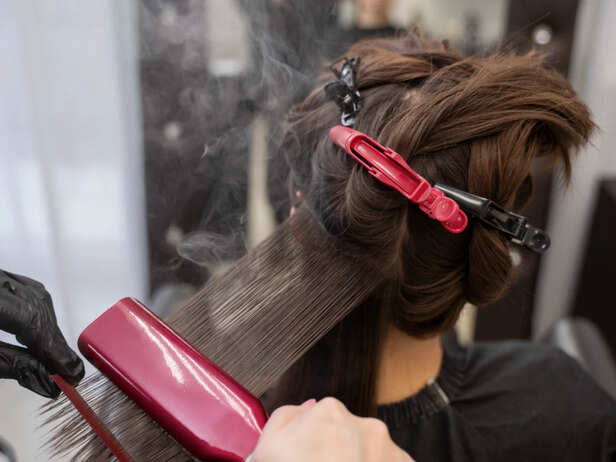
Hair Straightener, Gels, waxes, and sprays applied near the roots can accumulate and worsen flakiness. If a product consistently triggers itching, dropping it matters more than adding another treatment.
Hair gels, waxes, sprays and creams can build up on the scalp, particularly when they are applied close to the roots. If your scalp is already flaky or itchy, consider reducing unnecessary styling products and make sure you wash your scalp appropriately. If a particular product consistently causes itching or irritation, stop using it and see whether your scalp improves.
Be Careful With Hair Oil
Hair oiling is a familiar part of many Indian hair-care routines, but it does not automatically solve dandruff. If your scalp is oily or prone to dandruff, applying heavy layers of oil may make your scalp feel greasier and more uncomfortable. If you prefer oiling your hair, you can focus more on the hair lengths rather than repeatedly coating an already oily scalp. If your dandruff consistently worsens after oiling, reconsider whether the practice suits your scalp.
Don’t Sleep With Wet Hair
Monsoon weather can make hair take longer to dry, but going to bed with a very wet scalp is not a great habit. Damp hair and scalp can remain warm and uncomfortable for hours, particularly in humid conditions. After washing, gently remove excess water and allow your scalp to dry properly before sleeping. Avoid aggressively rubbing wet hair with a towel.
Know When It’s Time to See a Dermatologist
Persistent dandruff deserves attention when it is accompanied by significant redness, swelling, pain, thick scaling, sores or noticeable hair loss. A dermatologist can determine whether you have ordinary dandruff or another scalp condition and recommend an appropriate treatment. This is particularly important if the problem keeps returning despite using suitable anti-dandruff products correctly.
A Better Dandruff Routine Can Be Surprisingly Simple
You do not need to attack your scalp with scrubs, oils and multiple shampoos. Focus on consistent cleansing, proper use of an appropriate anti-dandruff shampoo, thorough rinsing and gentle handling. Keep your scalp dry after washing, clean your hair accessories regularly and avoid excessive scratching. The right routine is less about doing more and more about doing the basics consistently.
Give Your Scalp a Better Chance to Stay Clear
Recurring dandruff does not necessarily mean your hair routine has failed. It may simply mean that your scalp needs a more consistent and targeted approach. Pay attention to oiliness, itching, product buildup and how your scalp reacts to different products. Once you stop treating every flare-up with a completely new routine, it becomes easier to understand what your scalp actually needs.
Discover expert advice and the latest updates in
Skin Care,
Hair Care,
Wellness,
Dermatology, and more at
Stay Young guide to lasting beauty and holistic health.