
The Dark Side of Hair Oiling You Never Knew
Vaishnavi Mall | Mar 05, 2026, 11:29 IST

Your Hair Feels Weaker
Image credit : Freepik
Although applying too much oil or doing it incorrectly might actually cause hair loss, oiling is frequently regarded as a healthy practice. Many people frequently oil their scalps without knowing how they function. Excess oil can irritate the scalp, aggravate dandruff, and clog hair follicles. Hair roots can also be weakened by poor cleaning after using oil for an extended period of time. According to this article, scalp type is a significant factor in determining whether oiling is beneficial or detrimental, and more oil does not always translate into better hair.
For many generations, oiling the scalp has been a reliable hair care technique. Many people think that their hair will get stronger and healthier the more oil they use. Oiling the scalp more regularly is frequently the initial response to an increase in hair loss. This behavior, nevertheless, doesn't always produce the desired outcomes. Actually, excessive oiling might exacerbate hair loss rather than lessen it for a lot of people. Hair health is not solely dependent on oil use, but also on the cleanliness, balance, and condition of the scalp. Over time, healthier hair development might result from avoiding frequent mistakes caused by an understanding of how oil interacts with the scalp.
![Excess Oil Clogs Hair]()
Hair follicles are microscopic holes that number in the thousands on the scalp. To promote healthy hair development, these follicles must remain clear and accessible. Excessive oil application combines with dust, perspiration, and dead skin cells. Over time, this mixture may clog the follicles. Hair strands fall out more easily when follicles are clogged because they weaken the hair roots. Excess oil causes accumulation that obstructs the scalp's natural oxygen flow rather than nourishing it. Increased hair loss is frequently the result of this, particularly while washing or combing. An oily scalp is not as necessary as a clean one. Applying oil heavily is not as effective as applying it lightly and carefully.
Oiling Feeds
Many dandruff sufferers think that oiling may lessen the flakes. In actuality, this frequently exacerbates the illness. A common cause of dandruff is fungal development on the scalp. Because oil produces a moist environment, these fungus can proliferate more quickly. On a scalp prone to dandruff, repeated oil application exacerbates irritation and makes flakes more apparent. Regular scratching causes greater hair loss by weakening the roots of the hair. Oiling should be avoided or done sparingly if you have dandruff until it is addressed. Prioritizing a healthy scalp over hair length or shine is essential.
![Oiling Can Make Dandruff]()
It's standard practice to leave oil on the scalp for several hours or overnight. Some dry scalps may benefit from this, while many others may suffer negative effects. Long-term oil exposure retains bacteria and debris at the scalp's surface. This may eventually cause irritation and upset the scalp's natural equilibrium. The scalp could get sensitive, oily, or itching. Hair loss increases as a result of this inflammation, which also weakens hair roots. Short oiling sessions are more effective. For most people, applying oil one to two hours before washing is sufficient.
The idea that oiling strengthens hair roots by feeding them directly is one of the most widespread misconceptions regarding hair oiling. Blood circulation, not oil on the scalp, provides nourishment for hair roots. Oil primarily moisturizes and lubricates the hair shaft. Excessive oil does not provide additional benefits, even though rubbing oil can marginally increase blood flow. In certain instances, it causes accumulation by obstructing follicles. Proper care, scalp hygiene, and a healthy diet are essential for healthy hair roots. Only when oil is used sparingly can it promote healthy hair.
Oil is not necessary for every scalp. When it comes to hair care, this is one of the most overlooked facts. While oily or acne-prone scalps frequently react negatively to oiling, dry scalps may benefit from it occasionally. Enough natural oil is already produced by people with oily scalps. Adding more can promote hair loss and greasy scalps. After oiling, sensitive scalps may become red or itchy. It's critical to know your scalp type. The demands of the scalp should guide hair care, not slavishly adhering to customs or procedures.
Incorrect Washing After Oiling Increases
![Oiling Does Not Directly]()
One of the main causes of hair loss is incorrect hair washing after oiling. To get rid of oil, a lot of people either don't wash well or use harsh shampoos. Both strategies are detrimental. Buildup and plugged follicles result from oil residue left on the scalp. Using strong washes causes the scalp to become dry and lose its natural oils. This makes hair strands weaker and more prone to breaking. Maintaining scalp equilibrium can be achieved by using a gentle shampoo and properly rinsing. After oiling, gentle washing promotes healthy hair development.
Discover expert advice and the latest updates in Skin Care, Hair Care, Wellness, Dermatology, and more at Stay Young guide to lasting beauty and holistic health!
1. Can hair oiling really cause hair fall?
Hair oiling itself does not directly cause hair fall. However, excessive oiling or leaving oil on the scalp for too long can weaken roots, attract dirt, and clog pores, which may increase shedding.
2. How often should I oil my hair?
For most people, oiling once or twice a week is enough. Oiling daily or applying heavy amounts can make the scalp greasy and disturb its natural balance.
3. Why does my hair fall more during oil massage?
Some hair fall during oil massage is normal because loose strands naturally shed. But rough massaging or pulling hair tightly can break weak strands and increase visible hair fall.
4. Is it safe to leave oil in the hair overnight?
Leaving oil overnight is fine for some people, but not for everyone. If you have an oily or dandruff prone scalp, keeping oil for many hours may worsen scalp issues.
5. What is the correct way to oil hair without damage?
Apply a small amount of oil to the scalp, massage gently with fingertips, leave it for one to two hours, and wash with a mild shampoo. Avoid heavy layering or aggressive rubbing.
Excess Oil Can Clog Hair Follicles

Excess Oil Clogs Hair
Image credit : Freepik
Hair follicles are microscopic holes that number in the thousands on the scalp. To promote healthy hair development, these follicles must remain clear and accessible. Excessive oil application combines with dust, perspiration, and dead skin cells. Over time, this mixture may clog the follicles. Hair strands fall out more easily when follicles are clogged because they weaken the hair roots. Excess oil causes accumulation that obstructs the scalp's natural oxygen flow rather than nourishing it. Increased hair loss is frequently the result of this, particularly while washing or combing. An oily scalp is not as necessary as a clean one. Applying oil heavily is not as effective as applying it lightly and carefully.
Oiling Feeds Dandruff and Scalp Infections
Many dandruff sufferers think that oiling may lessen the flakes. In actuality, this frequently exacerbates the illness. A common cause of dandruff is fungal development on the scalp. Because oil produces a moist environment, these fungus can proliferate more quickly. On a scalp prone to dandruff, repeated oil application exacerbates irritation and makes flakes more apparent. Regular scratching causes greater hair loss by weakening the roots of the hair. Oiling should be avoided or done sparingly if you have dandruff until it is addressed. Prioritizing a healthy scalp over hair length or shine is essential.
Leaving Oil on Too Long Damages the Scalp
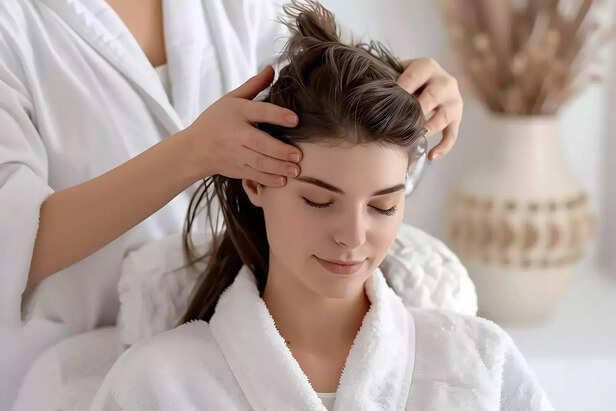
Oiling Can Make Dandruff
Image credit : Freepik
It's standard practice to leave oil on the scalp for several hours or overnight. Some dry scalps may benefit from this, while many others may suffer negative effects. Long-term oil exposure retains bacteria and debris at the scalp's surface. This may eventually cause irritation and upset the scalp's natural equilibrium. The scalp could get sensitive, oily, or itching. Hair loss increases as a result of this inflammation, which also weakens hair roots. Short oiling sessions are more effective. For most people, applying oil one to two hours before washing is sufficient.
Oiling Does Not Strengthen Hair Roots
Your Scalp Type Determines Whether You Need Oil
Incorrect Washing After Oiling Increases Hair Fall
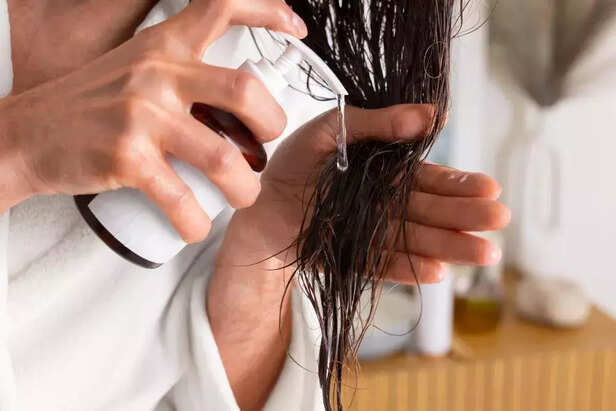
Oiling Does Not Directly
Image credit : Freepik
One of the main causes of hair loss is incorrect hair washing after oiling. To get rid of oil, a lot of people either don't wash well or use harsh shampoos. Both strategies are detrimental. Buildup and plugged follicles result from oil residue left on the scalp. Using strong washes causes the scalp to become dry and lose its natural oils. This makes hair strands weaker and more prone to breaking. Maintaining scalp equilibrium can be achieved by using a gentle shampoo and properly rinsing. After oiling, gentle washing promotes healthy hair development.
Discover expert advice and the latest updates in Skin Care, Hair Care, Wellness, Dermatology, and more at Stay Young guide to lasting beauty and holistic health!
Frequently Asked Questions (FAQs)
Hair oiling itself does not directly cause hair fall. However, excessive oiling or leaving oil on the scalp for too long can weaken roots, attract dirt, and clog pores, which may increase shedding.
2. How often should I oil my hair?
For most people, oiling once or twice a week is enough. Oiling daily or applying heavy amounts can make the scalp greasy and disturb its natural balance.
3. Why does my hair fall more during oil massage?
Some hair fall during oil massage is normal because loose strands naturally shed. But rough massaging or pulling hair tightly can break weak strands and increase visible hair fall.
4. Is it safe to leave oil in the hair overnight?
Leaving oil overnight is fine for some people, but not for everyone. If you have an oily or dandruff prone scalp, keeping oil for many hours may worsen scalp issues.
5. What is the correct way to oil hair without damage?
Apply a small amount of oil to the scalp, massage gently with fingertips, leave it for one to two hours, and wash with a mild shampoo. Avoid heavy layering or aggressive rubbing.