
The Korean Hair Habit That Could Help During Monsoon
Abhishek Singh | Aug 23, 2026, 15:00 IST

The Scalp Habit Behind Better Hair
Image credit : FreePik
Monsoon can leave hair greasy at the roots, frizzy through the lengths and harder to manage. A Korean-inspired approach offers a simple shift: treat the scalp as carefully as the hair itself. By focusing on scalp cleanliness, gentle care, moisture balance and thorough drying, you can build a routine better suited to humid, rainy weather.
Monsoon can completely change the way your hair behaves. Roots that normally stay fresh may become oily within hours, while the lengths turn frizzy or feel unusually heavy. Sweat, humidity, rain and product buildup can all contribute to these changes. Recent Indian hair-care guidance similarly emphasizes adjusting scalp care during monsoon rather than simply adding more products. One interesting approach comes from Korean hair care: treating the scalp more like facial skin instead of treating hair as one single area. Korean scalp-spa routines increasingly focus on scalp cleansing, buildup management, hydration and targeted care. The idea does not mean you need a complicated Korean routine with dozens of products. The useful lesson is much simpler: start with the scalp and adjust your routine to what it actually needs.
![Treat Your Scalp Like You Treat Your Skin]()
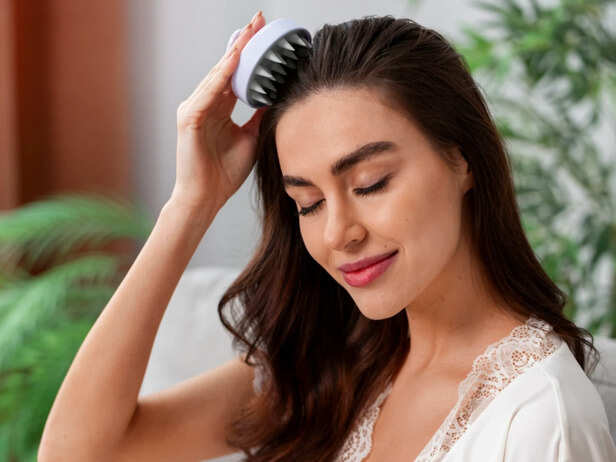
A major principle associated with Korean hair care is giving the scalp its own attention. Instead of focusing entirely on shampoo, conditioner and styling products for the hair shaft, the scalp becomes the starting point. Korean scalp-care routines often include targeted cleansing and products designed specifically for the scalp. Recent coverage of Korean scalp spas describes treatments that focus on removing buildup while supporting scalp hydration and balance. This approach makes particular sense during monsoon because humidity and sweat can cause the scalp to feel oilier and heavier. The goal is not to scrub aggressively. It is to keep the scalp clean without constantly stripping it.
Humidity changes how hair behaves. During monsoon, increased moisture in the air can contribute to frizz, while sweat and environmental pollutants can increase buildup around the scalp. Indian monsoon hair-care guidance notes that people may experience greasier roots, frizzier lengths and scalp irritation during this season. This can create a frustrating combination: your roots look oily while your ends feel dry. That is why treating your entire head of hair in exactly the same way may not work well. Your scalp and your lengths can have completely different needs.
When shampooing, concentrate the cleansing action on the scalp rather than repeatedly scrubbing the lengths. Your scalp is where sweat, oil and product residue accumulate. Use your fingertips rather than your fingernails and massage gently. Rinse thoroughly so shampoo residue does not remain on the scalp. The right washing frequency depends on your scalp type. Current monsoon guidance recommends adjusting washing according to scalp needs rather than automatically washing more simply because it is rainy season. If your scalp becomes oily quickly, you may need more frequent cleansing. If it is dry or sensitive, aggressive daily washing may create additional irritation.
![Oily Roots and Frizzy Ends Need Different Care]()
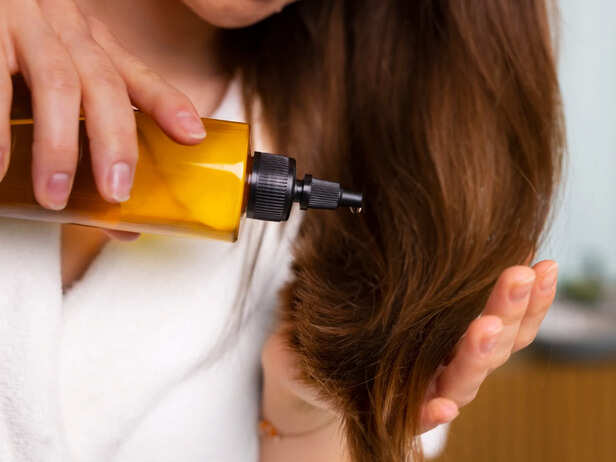
While the scalp may become oily during monsoon, the lengths can become frizzy and difficult to control. Humidity can make some hair types absorb more moisture from the surrounding air, changing the way the hair behaves. This is why your hair can look greasy at the roots but still feel rough through the ends. A lightweight conditioner or leave-in product can help manage the lengths without adding unnecessary weight to the scalp. The goal is balance rather than maximum moisture everywhere.
![More Products Isn't the Korean Hair Secret]()
The Korean approach can be useful without turning your bathroom into a salon. Scalp exfoliation, tonics, ampoules and other treatments are increasingly associated with Korean scalp care, but more products do not automatically mean healthier hair. If you have a sensitive scalp, dandruff, persistent itching or a diagnosed scalp condition, adding multiple active products can make things more complicated. Start with the fundamentals: appropriate cleansing, gentle handling, proper conditioning and thorough drying.
This may be one of the most useful habits to take into monsoon. Leaving your scalp damp for long periods can be uncomfortable, and humid weather can make it take longer for hair and scalp to dry. Current monsoon hair-care guidance specifically recommends drying the scalp completely after washing. You do not have to use excessive heat. Gently towel-dry excess water and use a hair dryer on a comfortable setting if needed. Avoid tying your hair tightly while it is still wet. A completely dry scalp is also easier to manage and can prevent your roots from staying damp for hours.
If your scalp becomes oily during monsoon, applying heavy conditioner directly to the roots can make your hair feel even flatter or greasier. Instead, focus conditioner on the mid-lengths and ends, where the hair shaft usually needs more softness and protection. This creates a simple balance: clean the scalp, condition the lengths. You can adjust the amount depending on your hair type. Fine hair may need very little conditioner, while thick, curly or dry hair may need more.
Scalp exfoliation is an interesting part of Korean-inspired hair care, but it is not something everyone needs frequently. A scalp scrub can help remove buildup, but aggressive physical exfoliation can irritate the skin. If you have an itchy, inflamed or damaged scalp, scrubbing harder is unlikely to solve the underlying problem. If you want to try a scalp exfoliating product, follow its instructions and avoid using it excessively. If your scalp is persistently flaky, painful or itchy, professional evaluation is more appropriate than repeatedly exfoliating it.
You do not need a complicated multi-step routine. Start with the basic philosophy.Clean the scalp according to its needs. Condition the lengths instead of the roots. Avoid unnecessary product buildup. Dry the scalp completely. Handle wet hair gently. Adjust the routinewhen humidity changes. These habits capture the most useful part of the Korean scalp-care philosophy without turning it into a product-heavy ritual.
Discover expert advice and the latest updates in Skin Care, Hair Care, Wellness, Dermatology, and more at Stay Young guide to lasting beauty and holistic health.
The Korean Habit: Treat Your Scalp Like Skin
Treat Your Scalp Like You Treat Your Skin
Image credit : FreePik
A major principle associated with Korean hair care is giving the scalp its own attention. Instead of focusing entirely on shampoo, conditioner and styling products for the hair shaft, the scalp becomes the starting point. Korean scalp-care routines often include targeted cleansing and products designed specifically for the scalp. Recent coverage of Korean scalp spas describes treatments that focus on removing buildup while supporting scalp hydration and balance. This approach makes particular sense during monsoon because humidity and sweat can cause the scalp to feel oilier and heavier. The goal is not to scrub aggressively. It is to keep the scalp clean without constantly stripping it.
Why Monsoon Can Throw Your Hair Off Balance
Humidity changes how hair behaves. During monsoon, increased moisture in the air can contribute to frizz, while sweat and environmental pollutants can increase buildup around the scalp. Indian monsoon hair-care guidance notes that people may experience greasier roots, frizzier lengths and scalp irritation during this season. This can create a frustrating combination: your roots look oily while your ends feel dry. That is why treating your entire head of hair in exactly the same way may not work well. Your scalp and your lengths can have completely different needs.
Clean the Scalp, Not Just the Hair
When shampooing, concentrate the cleansing action on the scalp rather than repeatedly scrubbing the lengths. Your scalp is where sweat, oil and product residue accumulate. Use your fingertips rather than your fingernails and massage gently. Rinse thoroughly so shampoo residue does not remain on the scalp. The right washing frequency depends on your scalp type. Current monsoon guidance recommends adjusting washing according to scalp needs rather than automatically washing more simply because it is rainy season. If your scalp becomes oily quickly, you may need more frequent cleansing. If it is dry or sensitive, aggressive daily washing may create additional irritation.
Your Hair Lengths Need a Different Strategy
Oily Roots and Frizzy Ends Need Different Care
Image credit : FreePik
While the scalp may become oily during monsoon, the lengths can become frizzy and difficult to control. Humidity can make some hair types absorb more moisture from the surrounding air, changing the way the hair behaves. This is why your hair can look greasy at the roots but still feel rough through the ends. A lightweight conditioner or leave-in product can help manage the lengths without adding unnecessary weight to the scalp. The goal is balance rather than maximum moisture everywhere.
Don’t Copy Every Korean Step
More Products Isn't the Korean Hair Secret
Image credit : FreePik
The Korean approach can be useful without turning your bathroom into a salon. Scalp exfoliation, tonics, ampoules and other treatments are increasingly associated with Korean scalp care, but more products do not automatically mean healthier hair. If you have a sensitive scalp, dandruff, persistent itching or a diagnosed scalp condition, adding multiple active products can make things more complicated. Start with the fundamentals: appropriate cleansing, gentle handling, proper conditioning and thorough drying.
Dry Your Scalp Completely After Washing
This may be one of the most useful habits to take into monsoon. Leaving your scalp damp for long periods can be uncomfortable, and humid weather can make it take longer for hair and scalp to dry. Current monsoon hair-care guidance specifically recommends drying the scalp completely after washing. You do not have to use excessive heat. Gently towel-dry excess water and use a hair dryer on a comfortable setting if needed. Avoid tying your hair tightly while it is still wet. A completely dry scalp is also easier to manage and can prevent your roots from staying damp for hours.
Keep Conditioner Away From the Roots
If your scalp becomes oily during monsoon, applying heavy conditioner directly to the roots can make your hair feel even flatter or greasier. Instead, focus conditioner on the mid-lengths and ends, where the hair shaft usually needs more softness and protection. This creates a simple balance: clean the scalp, condition the lengths. You can adjust the amount depending on your hair type. Fine hair may need very little conditioner, while thick, curly or dry hair may need more.
Be Careful With Scalp Scrubs
Scalp exfoliation is an interesting part of Korean-inspired hair care, but it is not something everyone needs frequently. A scalp scrub can help remove buildup, but aggressive physical exfoliation can irritate the skin. If you have an itchy, inflamed or damaged scalp, scrubbing harder is unlikely to solve the underlying problem. If you want to try a scalp exfoliating product, follow its instructions and avoid using it excessively. If your scalp is persistently flaky, painful or itchy, professional evaluation is more appropriate than repeatedly exfoliating it.
A Simple Korean-Inspired Monsoon Routine
You do not need a complicated multi-step routine. Start with the basic philosophy.Clean the scalp according to its needs. Condition the lengths instead of the roots. Avoid unnecessary product buildup. Dry the scalp completely. Handle wet hair gently. Adjust the routinewhen humidity changes. These habits capture the most useful part of the Korean scalp-care philosophy without turning it into a product-heavy ritual.
Discover expert advice and the latest updates in Skin Care, Hair Care, Wellness, Dermatology, and more at Stay Young guide to lasting beauty and holistic health.