
The Real Reason Some Hair Days Feel Effortless
Khushi | Jan 21, 2026, 15:10 IST

Good Hair Day
Image credit : Freepik
Effortless hair days are driven by an invisible balance between scalp health, moisture levels, cuticle alignment, hormones, and environmental conditions. When the scalp’s oil production, hydration, and circulation are aligned, hair fibers lie flatter, reflect more light, and respond better to styling. Factors such as sleep quality, humidity, stress hormones, and even water temperature during washing influence how hair behaves. This article breaks down the science behind why hair feels cooperative on certain days and how small, consistent habits can help recreate those conditions more often.
Some days, hair falls perfectly into place with almost no effort. On other days, the same routine delivers frizz, flatness, or stubborn strands that refuse to cooperate. These effortless hair days are not random or lucky. They are the result of subtle biological, environmental, and lifestyle factors quietly working in harmony.
How Scalp Health Quietly Controls Good And Bad Hair Days
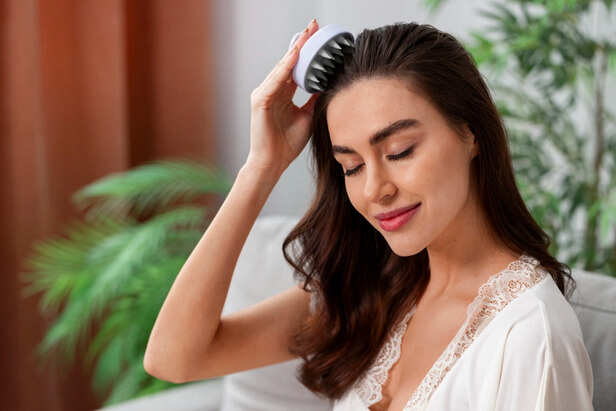
Scalp Health
Image credit : Freepik
How Scalp Health Controls Hair Quality
Nutrient Delivery: The scalp contains a complex network of blood vessels that deliver oxygen and nutrients to hair follicles. A healthy scalp ensures these follicles are well nourished, whereas poor circulation or inflammation can starve them, leading to thinning and hair loss.
Sebum Regulation: Sebaceous glands in the scalp produce sebum to moisturize hair. An oily scalp causes limp, greasy hair and can lead to bacterial overgrowth like dandruff, while a dry scalp causes flaking, irritation, and brittle hair that breaks easily.
The Microbiome Balance: The scalp hosts a delicate ecosystem of bacteria and fungi. When this microbiome is imbalanced often due to harsh products, pollution, or stress it leads to inflammation and dandruff, which in turn can trigger hair shed.
Follicle Clogging: Product buildup, dead skin cells, and excess oil can clog follicles, hindering hair growth and creating a bad hair day that no amount of styling can fix.
Healthy Scalp: Feels comfortable, is free from itching or burning, has minimal flaking, and supports consistent hair growth.
Unhealthy Scalp: Presents with redness, intense itching, excessive dandruff (white-yellow flakes), or feels very tight or greasy.
How Sleep, Stress, And Hormones Affect Hair Manageability
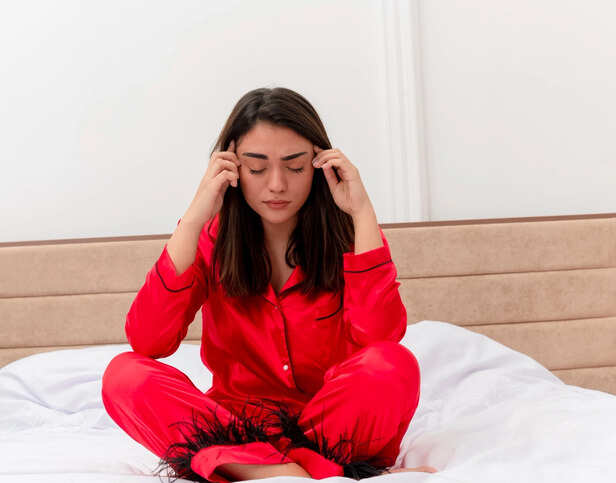
Stress
Image credit : Freepik
Hair Shedding & Thinning: High cortisol forces hair follicles into a resting phase (telogen phase) prematurely, leading to widespread, sudden shedding 2-4 months after a stressful event.
Changes in Texture: Stress can lead to dry, brittle, or frizzy hair due to the reduction of nutrients and oxygen reaching the follicle.
Reduced Manageability: Stress increases systemic inflammation and can lead to increased scalp sebum production greasy hair or, conversely, a dry, itchy, or sensitive scalp, making hair difficult to style.
Scalp Sensitivity: Increased stress can cause fight-or-flight responses that keep scalp muscles tense, reducing blood flow to the hair roots.
Discover expert advice and the latest updates in Skin Care, Hair Care, Wellness, Dermatology, and more at Stay Young guide to lasting beauty and holistic health!
Frequently Asked Questions
- Why does my hair suddenly feel so soft?
You have lost your protein moisture balance. Hair in moisture overload will have some distinctive symptoms: If you pull one strand of hair it will stretch and stretch without bouncing back, and eventually fall apart and tear. The hair will feel mushy, limp and excessively soft. - Does healthy hair feel soft?
Healthy hair has several clear characteristics. It is shiny, elastic, and feels soft to the touch. Additionally, it is free from split ends and retains its natural texture, whether straight, wavy, or curly. If you notice that your hair breaks easily, feels dry, or has lost its shine, it could be a sign of damage. - What are signs of unhealthy hair?
Signs of unhealthy hair include dryness, brittleness, frizz, dullness, split ends, breakage, and excessive tangles, often accompanied by a rough texture, faded color, and a scalp with issues like flakes or oiliness, indicating the hair struggles to retain moisture and nutrients.