
Why Hair Shedding Increases Months After Stress
Khushi | Jan 13, 2026, 14:45 IST

Hair Shedding
Image credit : Freepik
Stress-related hair shedding is often delayed, making it difficult to connect cause and effect. This article explains how stress shifts hair follicles into a resting phase, why shedding appears months later, and how hormonal changes and recovery timelines influence hair fall. It helps readers understand what’s happening beneath the scalp and sets realistic expectations for natural regrowth.
Hair fall linked to stress rarely happens overnight. Many people are surprised when excessive shedding begins weeks or even months after a stressful phase has passed. This delay is not random it reflects how stress quietly disrupts the hair growth cycle before visible hair loss appears. By the time shedding becomes noticeable, the body is often already in recovery mode. Understanding this timing helps explain sudden hair fall and prevents unnecessary panic or aggressive treatments.
Stress Disrupts the Hair Growth Cycle With a Delayed Effect
![Stress]()
Stress disrupts the hair growth cycle, causing a condition called telogen effluvium where stress hormones push many hairs into the resting (telogen) phase, leading to significant shedding 2-3 months later, a delayed effect that can make it hard to link the hair loss to the original stressful event. This process involves cortisol surges that can shrink follicles and inflammation, but it's usually temporary, with hair regrowing once stress is managed.
How Stress Disrupts the Cycle
Hormonal Surge: Stress triggers the release of cortisol, which can disrupt the normal hair cycle.
Follicle Shift: Instead of growing (anagen phase), more hair follicles prematurely enter the resting (telogen) phase.
Delayed Shedding: After a few months (typically 2-3), these resting hairs shed all at once, leading to noticeable thinning across the scalp.
Inflammation: Chronic stress can also cause inflammation around follicles, further hindering growth.
What to Do
The Scalp Responds to Stress Long After the Event Has Passed
![Hormonal Shift]()
The delayed reaction in the scalp is primarily due to the specific physiology of the hair growth cycle. The body's response to acute stress initiates a process that takes time to manifest physically on the scalp.
Hormonal Cascade:When a person experiences significant psychological or physiological stress (e.g., job loss, trauma, illness, major life changes), the body releases stress hormones like cortisol and inflammatory mediators.
Impact on Hair Cycle: These hormones disrupt the normal hair growth cycle, prematurely pushing active-growth-phase (anagen) hair follicles into the resting phase.
Understanding this delayed mechanism is crucial for dermatologists and individuals experiencing hair and scalp issues, highlighting the importance of holistic stress management for overall health.
Discover expert advice and the latest updates in Skin Care, Hair Care, Wellness, Dermatology, and more at Stay Young guide to lasting beauty and holistic health!
Frequently Asked Questions
Stress Disrupts the Hair Growth Cycle With a Delayed Effect
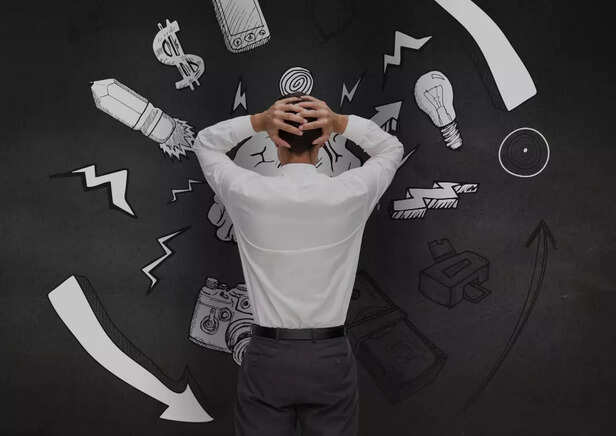
Stress
Image credit : Freepik
Stress disrupts the hair growth cycle, causing a condition called telogen effluvium where stress hormones push many hairs into the resting (telogen) phase, leading to significant shedding 2-3 months later, a delayed effect that can make it hard to link the hair loss to the original stressful event. This process involves cortisol surges that can shrink follicles and inflammation, but it's usually temporary, with hair regrowing once stress is managed.
How Stress Disrupts the Cycle
Hormonal Surge: Stress triggers the release of cortisol, which can disrupt the normal hair cycle.
Follicle Shift: Instead of growing (anagen phase), more hair follicles prematurely enter the resting (telogen) phase.
Delayed Shedding: After a few months (typically 2-3), these resting hairs shed all at once, leading to noticeable thinning across the scalp.
Inflammation: Chronic stress can also cause inflammation around follicles, further hindering growth.
What to Do
- Manage Stress: Implement stress-reduction techniques like exercise, mindfulness, or therapy.
- Healthy Habits: Eat a balanced diet, get enough sleep, and maintain gentle hair care.
- See a Professional: If shedding is patchy or persistent, consult a dermatologist to rule out other conditions like alopecia areata and discuss treatments like minoxidil or PRP.
The Scalp Responds to Stress Long After the Event Has Passed
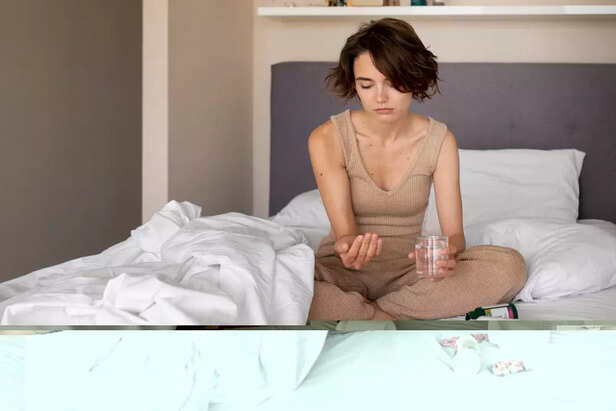
Hormonal Shift
Image credit : Freepik
The delayed reaction in the scalp is primarily due to the specific physiology of the hair growth cycle. The body's response to acute stress initiates a process that takes time to manifest physically on the scalp.
Hormonal Cascade:When a person experiences significant psychological or physiological stress (e.g., job loss, trauma, illness, major life changes), the body releases stress hormones like cortisol and inflammatory mediators.
Impact on Hair Cycle: These hormones disrupt the normal hair growth cycle, prematurely pushing active-growth-phase (anagen) hair follicles into the resting phase.
Understanding this delayed mechanism is crucial for dermatologists and individuals experiencing hair and scalp issues, highlighting the importance of holistic stress management for overall health.
Discover expert advice and the latest updates in Skin Care, Hair Care, Wellness, Dermatology, and more at Stay Young guide to lasting beauty and holistic health!
Frequently Asked Questions
- How long does hair fall out after stress?
The hair begins to fall out about 3 months (100 days) after a severe stress. (Range: 2 to 4 months). It will keep falling out in large amounts over the next 3 or 4 months. After hair stops shedding, the hair will slowly grow back. - How to stop hair loss from cortisol?
They may adjust your dosage or add certain other medications which can prevent hair loss. Also, consume a healthy diet, maintain scalp and hair hygiene, and minimise stress levels. - Can depression cause hair loss?
Clinical depression can have physical impact on our bodies, which in some cases can cause someone to lose hair.