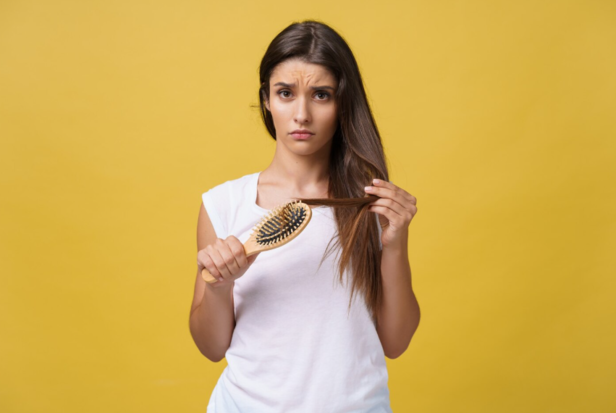
One of those issues that seems to never stop is dandruff. You attempt various routines, use anti-dandruff shampoos, and wash your hair frequently, yet the flakes persist. This frequently leaves individuals puzzled why nothing seems to work, and it may be both embarrassing and unpleasant. In actuality, there are a lot of variables besides washing practices that affect dandruff. Skin disorders, dry scalp, hair products, fungus growth, stress, and even food can all be contributing factors. The first step to efficiently treating dandruff and maintaining the health of your scalp is understanding why it occurs.
Fungal Overgrowth on the Scalp
![Malassezia Fungus]()
Malassezia Fungus
Image credit : Freepik
Excess fungus on the scalp can lead to recurring flakes.
The existence of a naturally occurring fungus called Malassezia is one of the primary causes of dandruff's stubbornness. Everybody has this fungus on their scalp, however some people have excessive growth. The scalp responds to this by shedding skin cells more quickly, which cause flakes to form. Often, hair washing is insufficient to stop this development. Consistently using mild, antifungal shampoos can be beneficial, however results might not be seen right away. Recurrent flakes can be caused by even little alterations in the health of the skin or the balance of the oil on the scalp.
Dry or Irritated Scalp
Dandruff can also be exacerbated by a dry or sensitive scalp. The scalp may become flaky, tight, and itchy if it loses too much moisture. By using strong shampoos or shampooing too frequently, many people unknowingly make the issue worse. Frequent styling, harsh chemicals, or hot water can deplete the scalp's natural oils, making it more irritated. Over time, moderate washes and sporadic scalp oils can help keep the scalp moist, which will lessen flaking and dryness.
Wrong Hair Care Products
![Diet and Stress]()
Diet and Stress
Image credit : Freepik
Healthy habits can help control dandruff.
Sometimes dandruff persists because of the products used on the hair. Shampoos, conditioners, or styling products with harsh chemicals can irritate the scalp and worsen flakes. Certain products may also leave residue that clogs pores or encourages oil build-up, feeding fungal growth. Switching to gentle, scalp-friendly products or those specifically designed to fight dandruff can make a significant difference. It is also important to avoid layering too many styling products, which can interfere with the scalp’s natural balance.
Underlying Skin Conditions
Persistent dandruff may also be a sign of an underlying skin condition. Conditions such as eczema, psoriasis, or seborrheic dermatitis affect the scalp and cause chronic flaking. People with these conditions often notice that dandruff does not improve even with strong anti-dandruff shampoos. In such cases, consulting a dermatologist is important to receive proper treatment and prevent worsening symptoms. Addressing the root cause of these conditions helps control flakes more effectively
Diet and Lifestyle Factors
![Lifestyle Affects]()
Lifestyle Affects
Image credit : Freepik
Diet, stress, and hormones can worsen dandruff.
Lifestyle factors such as diet, stress, and hormones can contribute to persistent dandruff. Stress can increase oil production, which feeds fungal growth, while poor diet may affect scalp health. Eating too many processed, sugary, or fatty foods can worsen dandruff in some people. On the other hand, a balanced diet rich in vitamins and minerals can support a healthier scalp. Regular exercise and stress management can also help reduce flare-ups. Small lifestyle changes can complement topical treatments and make dandruff easier to manage.
How to Take Control of Dandruff
Managing dandruff requires a combination of strategies. Start with choosing the right shampoo that targets fungal growth or provides gentle hydration. Avoid harsh chemicals and hot water when washing hair. Limit heavy styling products and give the scalp time to breathe. Keep track of flare-ups and note if diet, stress, or lifestyle changes influence them. If flakes persist despite consistent care, seek advice from a dermatologist. Understanding the root causes allows for a tailored approach that reduces dandruff effectively over time.
Diet and Lifestyle Factors
Lifestyle factors such as diet, stress, and hormones can contribute to persistent dandruff. Stress can increase oil production, which feeds fungal growth, while poor diet may affect scalp health. Eating too many processed, sugary, or fatty foods can worsen dandruff in some people. On the other hand, a balanced diet rich in vitamins and minerals can support a healthier scalp. Regular exercise and stress management can also help reduce flare-ups. Small lifestyle changes can complement topical treatments and make dandruff easier to manage.
Discover expert advice and the latest updates in
Skin Care,
Hair Care,
Wellness,
Dermatology, and more at
Stay Young—your guide to lasting beauty and holistic health!
Frequently Asked Question (FAQs)
1. Can my diet really affect dandruff?Yes. Eating too many processed, sugary, or fatty foods can worsen dandruff, while a balanced diet with vitamins and minerals supports a healthier scalp.
2. How does stress contribute to dandruff?
Stress can increase oil production on the scalp, which feeds fungal growth and can make dandruff flare up or persist.
3. Are lifestyle changes enough to control dandruff?
Lifestyle changes like healthy eating, regular exercise, and stress management can reduce dandruff, but they work best when combined with proper scalp care and shampoos.
4. Do hormones affect dandruff?
Yes. Hormonal changes can influence oil production and scalp sensitivity, sometimes making dandruff worse.
5. Which daily habits can help prevent dandruff?
Maintaining a balanced diet, managing stress, avoiding harsh hair products, and keeping the scalp clean and hydrated are effective habits for reducing dandruff.