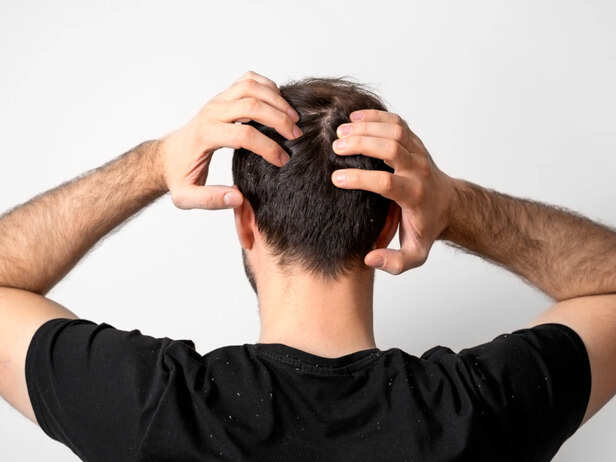
The monsoon season may bring relief from intense summer heat, but it can also create unexpected problems for your hair and scalp. If you’ve noticed persistent itching, dandruff, excess oil, or increased hair fall during the rainy season, you’re not alone. Many people experience scalp irritation every monsoon because humidity changes the scalp’s natural environment. Sweat, pollution, rainwater, and increased fungal growth can all contribute to discomfort that affects both scalp health and hair quality. An itchy scalp may seem like a minor inconvenience, but frequent scratching can damage the skin, weaken hair roots, and even increase hair fall. The good news is that most monsoon scalp problems can be managed with a few simple adjustments to your hair care routine. Understanding why your scalp reacts differently during humid weather is the first step toward keeping it healthy, comfortable, and free from irritation throughout the rainy season.
Why Does Your Scalp Become Itchy During the Monsoon?
![Ever wonder Why Humidity Makes Your Scalp Itchy]()
Ever wonder Why Humidity Makes Your Scalp Itchy
Image credit : FreePik
Excess sweat and oil create the perfect environment for bacteria and fungi to irritate the scalp.
Humidity plays a major role in changing the condition of your scalp. During the rainy season, increased moisture in the air causes the scalp to sweat more, while the sebaceous glands produce additional oil. Sweat, excess sebum, dirt, and environmental pollutants combine to create an ideal environment for bacteria and fungi to grow. This buildup can irritate the scalp, causing itching, redness, and discomfort. People who already have oily hair or dandruff often notice their symptoms becoming worse during the monsoon because humidity accelerates microbial growth. Although occasional itching is common, persistent irritation should not be ignored because it may indicate an underlying scalp condition.
The Connection Between Humidity, Sweat, and Scalp Health
Many people believe that humidity keeps the scalp hydrated, but that isn’t always true. While the air contains more moisture, sweat and oil can accumulate on the scalp, trapping dead skin cells and making the scalp feel greasy. When sweat remains on the scalp for long periods, it creates conditions that allow microorganisms to multiply. This can disturb the scalp’s natural balance, making it more prone to irritation and inflammation. Keeping the scalp clean without overwashing is essential for maintaining a healthy scalp during humid weather.
Can Dandruff Get Worse During the Rainy Season?
![Dandruff Often Worsens During Monsoon]()
Dandruff Often Worsens During Monsoon
Image credit : FreePik
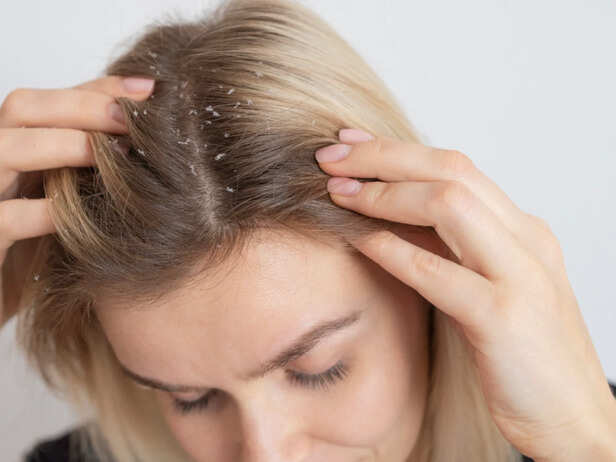
Humidity encourages Malassezia yeast growth, leading to more flaking and irritation.
Yes. For many people, dandruff becomes more noticeable during the monsoon. A naturally occurring yeast called Malassezia thrives in oily environments, and increased humidity may encourage its growth in some individuals. This can lead to flaking, itching, and scalp irritation. It’s important to remember that not every flaky scalp is caused by dandruff. Dry scalp, eczema, psoriasis, and allergic reactions can produce similar symptoms. If dandruff becomes severe or doesn’t improve with regular care, a healthcare professional or dermatologist can help determine the underlying cause. Using an appropriate anti-dandruff shampoo as directed and maintaining good scalp hygiene can help reduce symptoms for many people.
How an Itchy Scalp Can Lead to Hair Fall
An itchy scalp doesn’t directly cause permanent hair loss, but constant scratching can weaken the hair shaft and place stress on hair follicles. Inflammation from scalp conditions may also contribute to increased hair shedding. Many people notice more hair in their comb or shower during the monsoon. Seasonal hair shedding can have several contributing factors, including humidity, breakage from wet hair, scalp irritation, and changes in hair care habits. Treating the cause of scalp itching early may help reduce unnecessary hair breakage and support healthier hair growth.
The Best Hair Care Routine for the Monsoon
Your hair care routine should change slightly during the rainy season to match the needs of your scalp. Wash your hair regularly according to your hair type to remove sweat, excess oil, and environmental pollutants. If your hair gets wet in the rain, rinse it with clean water as soon as possible and allow it to dry completely before tying it up. Choose a mild shampoo suitable for your scalp and avoid using very hot water, which can dry and irritate the scalp. A lightweight conditioner applied mainly to the hair lengths can help control frizz without making the scalp greasy. Keeping combs, pillowcases, and towels clean also reduces the transfer of bacteria and fungi.
Ingredients That Help Soothe an Itchy Scalp
Certain hair care ingredients may help maintain a healthier scalp during the monsoon. Tea tree oil is known for its cleansing properties and may help reduce excess oil when used in properly formulated products. Salicylic acid helps remove dead skin buildup, while zinc pyrithione and ketoconazole are commonly found in anti-dandruff shampoos for people with dandruff. Ingredients such as aloe vera, niacinamide, and panthenol can also help soothe irritation and support the scalp’s natural barrier. Choosing products that match your scalp type is more effective than frequently switching between different shampoos.
Hair Care Mistakes That Make Scalp Problems Worse
Many everyday habits can increase scalp irritation during the rainy season. Tying up wet hair, sleeping with damp hair, using excessive styling products, or scratching the scalp aggressively may worsen itching and increase hair breakage. Skipping hair washes for long periods because of rainy weather can also allow sweat and oil to build up on the scalp. At the same time, washing your hair excessively may strip away its natural protective oils. Finding a balanced routine that keeps the scalp clean without causing dryness is the best approach.
When Should You See a Dermatologist?
![When Scalp Itching Needs a Dermatologist]()
When Scalp Itching Needs a Dermatologist
Image credit : FreePik
Persistent itching, patchy hair loss, or bleeding from scratching are signs to seek professional care.
While mild scalp itching often improves with proper hair care, some symptoms require professional evaluation. Persistent itching lasting several weeks, painful bumps, severe dandruff, pus-filled sores, patchy hair loss, or bleeding caused by scratching should not be ignored. A dermatologist can determine whether the problem is caused by dandruff, fungal infection, eczema, psoriasis, or another scalp condition. Early treatment usually leads to faster improvement and helps prevent long-term scalp damage.
Healthy Hair Starts With a Healthy Scalp
Beautiful hair begins with a healthy scalp, especially during the monsoon when humidity creates extra challenges. Paying attention to your scalp’s changing needs, maintaining good hygiene, using suitable hair care products, and seeking professional advice when symptoms persist can make a significant difference. Rather than treating itching as a normal part of the rainy season, view it as a signal to care for your scalp more consistently. Small daily habits often provide the strongest foundation for healthier hair throughout every season.
Discover expert advice and the latest updates in
Skin Care,
Hair Care,
Wellness,
Dermatology, and more at
Stay Young guide to lasting beauty and holistic health.