
The Truth About Non-Invasive Skin Tightening Results
Khushi | Dec 19, 2025, 14:00 IST

Skin Tightening
Image credit : Freepik
Non-invasive skin tightening treatments promise firmer, smoother skin without surgery but do they truly deliver? This article breaks down how popular technologies like radiofrequency and ultrasound stimulate collagen, why results vary from person to person, and what factors influence long-term outcomes. It also sets realistic expectations, helping readers understand who benefits the most, how long results last, and when maintenance sessions are needed.
Many Non-invasive tightening sounds to good to bet true. But if these treatments really work why do results look good on some people and barely noticeable on others? This article explains why this happens and who are the best candidates for these treatments for better results.
How Non-Invasive Skin Tightening Actually Works Beneath The Skin
Laser
Image credit : Freepik
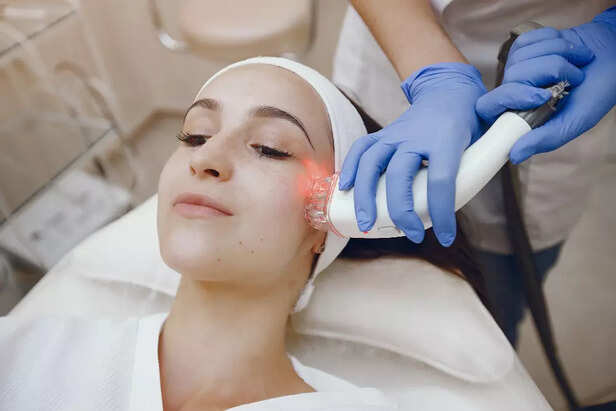
The procedure of skin tightening through non -invasive works by delivering targeted energy like radiofrequency, ultrasound, laser that penetrates deep into the skin to heat the underlying tissues, which causes existing collagen fibers to contract for a tighter feel and stimulates the body produce new collagen and elastin which rebuilds strength and elasticity over weeks.
The Key Mechanisms:
- The devices send heat via ultrasound, or laser to the the dermis and deeper layers of the skin causing immediate tightening of existing collagen.
- The heat produce by this devices triggers a wound healing response prompting skin cells creating fresh collagen and elastin that a very crucial fro the skin structure and bounce.
- These energy reach different depths:
- Ultrasound reaches deep into the skin and support structures for lifting.
- Radiofrequency heats the dermis and hypodermis combining with the magnetic pulses for deeper penetration.
- Lasers on the other hand heats the collagen beneath the surface.
Who Is The Ideal Candidate For Non-Invasive Tightening
Mid Age
Image credit : Freepik
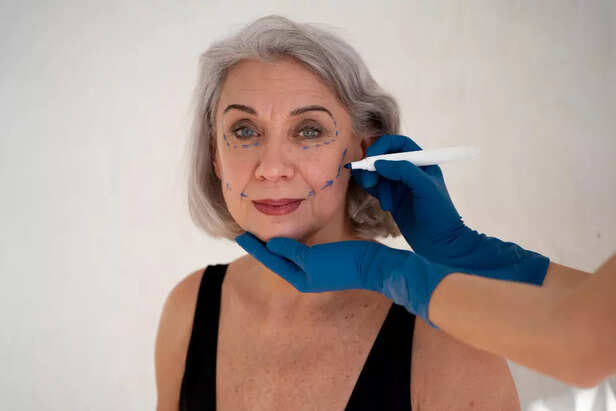
The ideal candidates for non-invasive treatments for skin tightening has mild to moderate skin laxity.
Some important characteristics to consider for non-invasive skin tightening treatments
- The age range for this should be around 30s, 40, and early 50, when the collagen loss begins but the skin is still responsive.
- The skin should be mildly loose and not severely sagging.
- The individual should maintain healthy lifestyle for example healthy weight, has good sun protection, and avoids smoking.
Discover expert advice and the latest updates in Skin Care, Hair Care, Wellness, Dermatology, and more at Stay Young guide to lasting beauty and holistic health!
Frequently Asked Questions
- Is there anything proven to tighten skin?
Ultrasound Dermatologists are using ultrasound to send heat deep into the skin. Bottom line: The heat can cause your body to produce more collagen. With 1 treatment, most people see modest lifting and tightening within 2 to 6 months. You may get more benefit from having additional treatments. - What do Koreans use against wrinkles?
Red ginseng, a revered herb in Korean medicine, is celebrated for its anti-aging properties, helping to enhance skin firmness and reduce the appearance of fine lines and wrinkles by aiding in collagen synthesis. - Is ginseng better than retinol?
Neither ginseng nor retinol is definitively "better" they offer different benefits and work best together for comprehensive anti-aging, with retinol (Vitamin A derivative) boosting cell turnover and targeting deep wrinkles, while Ginseng (natural) provides soothing antioxidants, boosts radiance, and calms inflammation, making it great for sensitive skin that can't tolerate retinol's potential dryness or irritation. Choose Retinol for deep resurfacing, and Ginseng for daily soothing & glow, or use them together for maximum results.