
Why More People Are Choosing Non-Surgical Skin Treatments
Khushi | Dec 31, 2025, 14:00 IST

Good Skin
Image credit : Freepik
Non-surgical skin treatments are gaining popularity as people seek effective results without the risks, downtime, or drastic changes associated with surgery. Advances in aesthetic technology now allow skin concerns such as ageing, pigmentation, acne scars, and dullness to be treated gently while supporting the skin’s natural repair process. This article explores why non-invasive treatments are becoming the preferred choice, how they work, who they are suitable for, and what realistic results look like. With a focus on safety, subtle enhancement, and long-term skin health, the piece highlights the growing shift toward non-surgical aesthetic care.
The idea of improving skin no longer has to involve surgery, long recovery periods, or drastic changes. Today a lot of people are turning towards more non-surgical skin treatments that offers visible result with minimal downtime and a more natural look.
The Shift Away From Surgery In Modern Aesthetics
![Botox]()
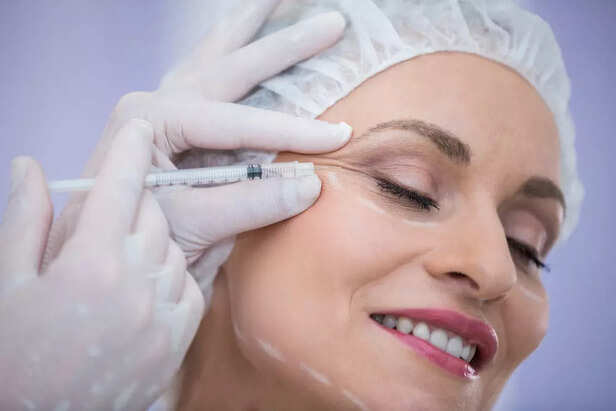
The shift from surgical procedures to more non-surgical procedures is driven by strong preference for minimally invasive procedures that offers a more natural looking, subtle results with very less recovery period.
Patients nowadays seeks treatments that enhances their features rather than drastically change their appearance altogether.
Many procedures like neuromodulators(Botox), derma fillers, chemical peels and laser treatments have seen exponential growth that offers replacing or delaying the need for surgical interventions.
There is also a growth in using treatments that involves body's own materials, such as fat grafting and platelet rich plasma(PRP), that promotes natural healing and long lasting results.
One of the reasons is many patients have very busy lifestyles and mostly prefer procedures that allow for a quick return to daily activities, with some weekend surgeries offering significant results with minimal recovery time.
Common Myths Around Non-Surgical Skin Procedures
![Myth]()
Some common myths are:
Myth: Only for women/older people
Fact: Men also increasingly use these treatments for rejuvenation and can benefit anyone wanting subtle improvements, from young preventative care to restoring volume.
Myth: Fake/Plastic Results
Fact: Skilled professionals provide natural, refreshed looks, not frozen or distorted features that overdone results are due to technique and no the treatment itself.
Myth: Painful/Uncomfortable
Fact: Modern tech uses numbing creams, and treatments are quick like tiny pinches which minimizes discomfort unlike surgery.
Myth: Non-surgical means non-effective
Fact: Treatments like neurotoxins and fillers are proven effective for volume restoration and line smoothing.
Key Tip: Many people believe that drinking excessive water will plump the skin, but proper hydration is what truly matters. Overdoing it will not fix wrinkles.
Discover expert advice and the latest updates in Skin Care, Hair Care, Wellness, Dermatology, and more at Stay Young guide to lasting beauty and holistic health!
Frequently Asked Questions
The Shift Away From Surgery In Modern Aesthetics
Botox
Image credit : Freepik
The shift from surgical procedures to more non-surgical procedures is driven by strong preference for minimally invasive procedures that offers a more natural looking, subtle results with very less recovery period.
Patients nowadays seeks treatments that enhances their features rather than drastically change their appearance altogether.
Many procedures like neuromodulators(Botox), derma fillers, chemical peels and laser treatments have seen exponential growth that offers replacing or delaying the need for surgical interventions.
There is also a growth in using treatments that involves body's own materials, such as fat grafting and platelet rich plasma(PRP), that promotes natural healing and long lasting results.
One of the reasons is many patients have very busy lifestyles and mostly prefer procedures that allow for a quick return to daily activities, with some weekend surgeries offering significant results with minimal recovery time.
Common Myths Around Non-Surgical Skin Procedures

Myth
Image credit : Freepik
Some common myths are:
Myth: Only for women/older people
Fact: Men also increasingly use these treatments for rejuvenation and can benefit anyone wanting subtle improvements, from young preventative care to restoring volume.
Myth: Fake/Plastic Results
Fact: Skilled professionals provide natural, refreshed looks, not frozen or distorted features that overdone results are due to technique and no the treatment itself.
Myth: Painful/Uncomfortable
Fact: Modern tech uses numbing creams, and treatments are quick like tiny pinches which minimizes discomfort unlike surgery.
Myth: Non-surgical means non-effective
Fact: Treatments like neurotoxins and fillers are proven effective for volume restoration and line smoothing.
Key Tip: Many people believe that drinking excessive water will plump the skin, but proper hydration is what truly matters. Overdoing it will not fix wrinkles.
Discover expert advice and the latest updates in Skin Care, Hair Care, Wellness, Dermatology, and more at Stay Young guide to lasting beauty and holistic health!
Frequently Asked Questions
- Why is Gen Z obsessed with plastic surgery?
Gen Z has begun using surgical and nonsurgical procedures to embrace authenticity and self-expression. They want to look and feel their best, and that may include surgical and nonsurgical procedures. Self-care is another motivating factor behind plastic and cosmetic procedures. - What is the most regretted cosmetic surgery?
Cosmetic surgery regret rates vary. But, breast augmentation, rhinoplasty, and body contouring like liposuction often have high regret rates. This is due to unrealistic hopes and not meeting expectations. - What surgery has the highest failure rate?
Disc surgeries of the spine have a failure rate greater than 50%. 10% of patients experience a worsening of symptoms after surgical intervention. - Which surgery is most easy?
The "easiest" surgery generally means quick, low-risk, minimally invasive procedures with fast recovery, often done outpatient, with common examples including Cataract Surgery, skin procedures (mole removal, biopsies), vasectomy, and appendectomy (though emergent), focusing on simple repairs or diagnostics with high success and few complications. "Easiest" depends on the patient's condition, but these share features like local anesthesia, short OR time, and quick healing.