
Why Some People Heal Faster After HD Liposculpture
Vaishnavi Mall | Mar 05, 2026, 11:17 IST

After HD Liposculpture
Image credit : Freepik
Each person's recovery from HD liposculpture may feel very different. Some people recover more quickly and resume their regular lives sooner than others. This discrepancy is not coincidental. The rate of healing is influenced by preoperative health, daily dietary practices, lifestyle choices, and the degree to which postoperative recommendations are followed. This article outlines the primary causes of certain patients' quicker recovery following HD liposculpture as well as the elements that actually promote healing.
Many patients observe that recovery times following HD liposculpture vary greatly. Within weeks, one person can be at ease and able to move around, while another continues to have pain and swelling. Confusion and irrational comparisons are frequently the results of this. Healing is more than just the process. A number of variables both before and after surgery affect how the body reacts. Patients can minimize needless stress and set reasonable expectations by being aware of these variables. More often than not, daily routines, discipline, and preparedness lead to faster healing. The healing process might be more comfortable and seamless if you know what promotes recovery.
![Pre-Surgery]()
The state of the body before to surgery has a significant impact on the rate of healing. People who lead healthy lifestyles tend to recover more quickly. Healthy circulation facilitates the delivery of nutrients and oxygen to repairing tissues. Strong, active muscles also promote improved blood flow and quicker healing. People who maintain a constant body weight typically recover more quickly. Swelling and skin adaptability might be impacted by abrupt weight shifts. Because the body requires extra time to repair tissues, chronic diseases like diabetes, poor circulation, or hormone imbalances can hinder healing. This does not imply that only highly fit individuals recover successfully. It indicates that the body is supported during healing by balanced health. Before surgery, even small routines like consistent walking, getting enough sleep, and being hydrated might have an impact.
The degree to which patients adhere to post-operative instructions is one of the most crucial aspects of their recuperation. These rules are intended to lessen difficulties and safeguard recovering tissues. It is frequently advised to wear compression clothing to reduce edema and support freshly formed areas. The body heals more evenly when they are worn appropriately and for the recommended amount of time. Reducing or omitting this phase could hinder recovery or have an impact on outcomes. Limitations on activity are also important. Some people attempt to get back to their regular habits too soon. Swelling and discomfort may worsen as a result. The body can adapt by gradually increasing activity and taking breaks when necessary. Instructions for wound care, medication, and follow-up appointments are all equally crucial. Patients who follow these procedures consistently typically have fewer setbacks and a more seamless healing process.
![Faster Recovery]()
Fuel is necessary for healing. For the body to repair tissue and lower inflammation, it needs the right kind of nourishment. Protein is essential for skin and muscle regeneration. Healing could take longer if there is insufficient protein. Minerals and vitamins aid in healing as well. Vitamin C aids in the healing of damaged tissue. Immune system function is supported by zinc. These nutrients are naturally provided by balanced meals that contain fruits, vegetables, and whole foods. One often underestimates the importance of hydration. Adequate hydration promotes circulation and decreases fluid retention. Dehydration can make the body feel more exhausted and cause edema. Patients who prioritize eating well-balanced meals and staying hydrated frequently report feeling more energized and experiencing less discomfort while recovering.
Recovery might be aided or hindered by daily routines. One of the main things that prevents healing is smoking. It lowers the amount of oxygen that reaches tissues, which delays healing and raises the possibility of problems. Recovery might also be hampered by alcohol. It might make edema worse and interfere with the way drugs operate. Reducing or abstaining from alcohol during the healing process promotes faster healing. Stress levels and sleep are also important. While at rest, the body heals itself. High levels of stress or inadequate sleep might impair immunity and delay recovery. Patients who get enough sleep tend to recuperate more easily. A person's mental state also matters. Those who maintain their composure and optimism are more likely to adhere to care regimens. Indirectly, this promotes quicker healing.
![Different for Everyone]()
Realizing that healing is a personal process is crucial. Even if two persons follow the identical regimen, their rates of recovery may differ. Other factors include skin elasticity, genetics, and the body's inherent capacity for healing. Certain bodies eliminate edema more quickly. Others adjust more slowly. Comparing healing times frequently causes needless anxiety. Individual growth should be used to gauge progress rather than the experiences of others. Proper care and steady improvement are extremely important. It's not always better to heal more quickly at the expense of disobeying instructions.
Patients have some control over several important aspects, but not all of them. Recovery is aided by getting the body ready for surgery, paying close attention to directions, eating healthily, drinking enough of water, and abstaining from bad habits. Little decisions made every day add up. More important than perfection is consistency. It's a journey, not a race, to recover.
Discover expert advice and the latest updates in Skin Care, Hair Care, Wellness, Dermatology, and more at Stay Young guide to lasting beauty and holistic health!
1. How long does it typically take to recover from HD liposculpture?
Recovery varies by individual, but most patients see significant improvement within 2 to 4 weeks. Full results and swelling resolution may take a few months.
2. Can following post-operative instructions really speed up healing?
Yes. Wearing compression garments, limiting physical activity, taking prescribed medications, and attending follow-ups can all help the body heal faster and reduce complications.
3. Does nutrition affect recovery after HD liposculpture?
Absolutely. Adequate protein, vitamins like C and zinc, and proper hydration support tissue repair, reduce swelling, and improve energy during recovery.
4. Do age and skin elasticity impact healing speed?
Yes. Younger patients or those with more elastic skin may adapt faster to body contour changes, experience less swelling, and show smoother results.
5. How do lifestyle habits like smoking or alcohol affect recovery?
Smoking reduces oxygen delivery to tissues, slowing healing. Alcohol can increase swelling and interfere with medications. Avoiding both helps speed up recovery and improve results.
Overall Health and Body Condition Before Surgery
Pre-Surgery
Image credit : Freepik
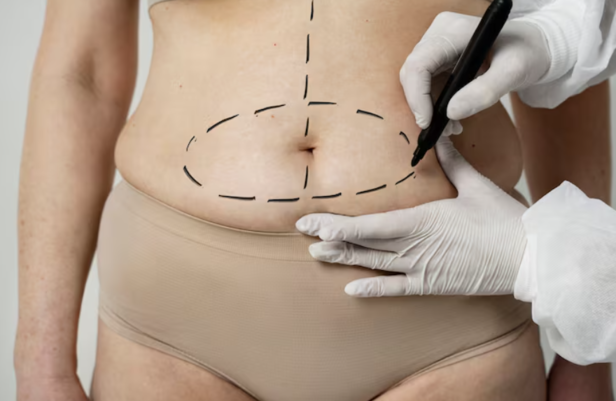
The state of the body before to surgery has a significant impact on the rate of healing. People who lead healthy lifestyles tend to recover more quickly. Healthy circulation facilitates the delivery of nutrients and oxygen to repairing tissues. Strong, active muscles also promote improved blood flow and quicker healing. People who maintain a constant body weight typically recover more quickly. Swelling and skin adaptability might be impacted by abrupt weight shifts. Because the body requires extra time to repair tissues, chronic diseases like diabetes, poor circulation, or hormone imbalances can hinder healing. This does not imply that only highly fit individuals recover successfully. It indicates that the body is supported during healing by balanced health. Before surgery, even small routines like consistent walking, getting enough sleep, and being hydrated might have an impact.
Following Post Operative Instructions Properly
The degree to which patients adhere to post-operative instructions is one of the most crucial aspects of their recuperation. These rules are intended to lessen difficulties and safeguard recovering tissues. It is frequently advised to wear compression clothing to reduce edema and support freshly formed areas. The body heals more evenly when they are worn appropriately and for the recommended amount of time. Reducing or omitting this phase could hinder recovery or have an impact on outcomes. Limitations on activity are also important. Some people attempt to get back to their regular habits too soon. Swelling and discomfort may worsen as a result. The body can adapt by gradually increasing activity and taking breaks when necessary. Instructions for wound care, medication, and follow-up appointments are all equally crucial. Patients who follow these procedures consistently typically have fewer setbacks and a more seamless healing process.
Nutrition and Hydration During Recovery

Faster Recovery
Image credit : Freepik
Fuel is necessary for healing. For the body to repair tissue and lower inflammation, it needs the right kind of nourishment. Protein is essential for skin and muscle regeneration. Healing could take longer if there is insufficient protein. Minerals and vitamins aid in healing as well. Vitamin C aids in the healing of damaged tissue. Immune system function is supported by zinc. These nutrients are naturally provided by balanced meals that contain fruits, vegetables, and whole foods. One often underestimates the importance of hydration. Adequate hydration promotes circulation and decreases fluid retention. Dehydration can make the body feel more exhausted and cause edema. Patients who prioritize eating well-balanced meals and staying hydrated frequently report feeling more energized and experiencing less discomfort while recovering.
Lifestyle Habits That Affect Healing
Recovery might be aided or hindered by daily routines. One of the main things that prevents healing is smoking. It lowers the amount of oxygen that reaches tissues, which delays healing and raises the possibility of problems. Recovery might also be hampered by alcohol. It might make edema worse and interfere with the way drugs operate. Reducing or abstaining from alcohol during the healing process promotes faster healing. Stress levels and sleep are also important. While at rest, the body heals itself. High levels of stress or inadequate sleep might impair immunity and delay recovery. Patients who get enough sleep tend to recuperate more easily. A person's mental state also matters. Those who maintain their composure and optimism are more likely to adhere to care regimens. Indirectly, this promotes quicker healing.
Why Healing Speed Is Different for Everyone
Different for Everyone
Image credit : Freepik
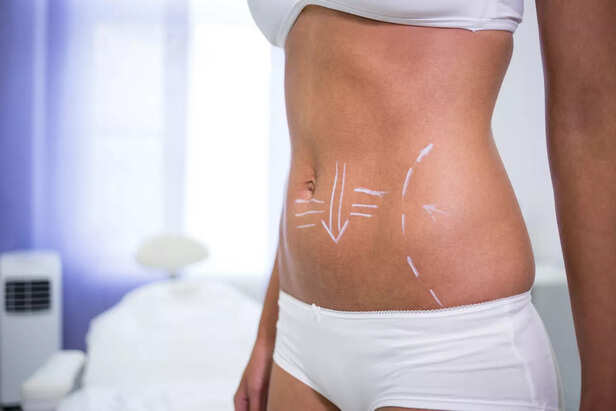
Realizing that healing is a personal process is crucial. Even if two persons follow the identical regimen, their rates of recovery may differ. Other factors include skin elasticity, genetics, and the body's inherent capacity for healing. Certain bodies eliminate edema more quickly. Others adjust more slowly. Comparing healing times frequently causes needless anxiety. Individual growth should be used to gauge progress rather than the experiences of others. Proper care and steady improvement are extremely important. It's not always better to heal more quickly at the expense of disobeying instructions.
What Patients Can Focus On
Discover expert advice and the latest updates in Skin Care, Hair Care, Wellness, Dermatology, and more at Stay Young guide to lasting beauty and holistic health!
Frequently Asked Question (FAQs)
1. How long does it typically take to recover from HD liposculpture?
Recovery varies by individual, but most patients see significant improvement within 2 to 4 weeks. Full results and swelling resolution may take a few months.
2. Can following post-operative instructions really speed up healing?
Yes. Wearing compression garments, limiting physical activity, taking prescribed medications, and attending follow-ups can all help the body heal faster and reduce complications.
3. Does nutrition affect recovery after HD liposculpture?
Absolutely. Adequate protein, vitamins like C and zinc, and proper hydration support tissue repair, reduce swelling, and improve energy during recovery.
4. Do age and skin elasticity impact healing speed?
Yes. Younger patients or those with more elastic skin may adapt faster to body contour changes, experience less swelling, and show smoother results.
5. How do lifestyle habits like smoking or alcohol affect recovery?
Smoking reduces oxygen delivery to tissues, slowing healing. Alcohol can increase swelling and interfere with medications. Avoiding both helps speed up recovery and improve results.