
5 Cosmetic Procedures That Can Cause Skin Purging and How to Handle It
Khushi | Sep 19, 2025, 16:40 IST

Skin Purging
Many people expect smooth glowing skin after cosmetic surgery but sometimes the opposite happens. Breakouts, redness, and tiny bumps may appear, a reaction known as skin purging. This guide explains why skin purging happens, which 5 cosmetic procedures are most likely to trigger it (chemical peel, laser resurfacing, dermabrasion, facelift surgery, and nose surgery), and how you can manage and heal purging safely. From understanding the science behind skin renewal to expert aftercare tips, this article covers everything you need to know to stay confident during recovery.
When people go for cosmetic surgery they usually want smooth and fresh skin. But sometimes the skin reacts in a strange way. After surgery many people notice sudden breakouts tiny bumps redness or peeling. This reaction is called skin purging. It happens when the skin is pushing out dirt oil and old dead cells at a fast speed after the procedure.
Skin purging can be very normal but it also worries many patients because it looks like acne. The truth is that the skin is just renewing itself. Doctors say purging is usually short term but understanding which treatments can trigger it helps people feel more ready.
Cosmetic surgeries are stronger than daily creams or facials so the skin may need time to heal from inside. Let us look at the five main surgeries that can cause purging and why it happens after them.
![Cosmetic Surgery]()
Skin purging happens because the skin cycle suddenly speeds up. Treatments and surgeries often push fresh skin cells to the surface much faster than normal. This can cause trapped bacteria or oil to rise quickly and lead to bumpy and pimple.
The medical term is of course not medically serious at all some people feel self conscious when this happens to them, but it is not generally a bad sign. The cardigan tells us that the surgery is working and that the skin is healing itself from the inside out. The purging stage often lasts for a few weeks before the smooth result becomes clear.
![Chemical Peel]()
A chemical peel surgery removes the top layers of skin with strong acids. The aim is to reduce fine lines scars and uneven skin tone. But once the old cells are gone hidden dirt and oil come out which can cause purging.
The skin may feel itchy dry and bumpy for weeks after a chemical peel. Doctors always remind patients to keep the skin moisturized and protected from the sun during this stage. Even though it looks rough at first the skin becomes brighter later.
Chemical peel purging is one of the most common because this treatment is very intense compared to normal creams or serums.
![Laser Treatment]()
Laser resurfacing is a common wrinkle and scar removal procedure. It utilises light energy to remove layers of damaged skin and induce new collagen. But after the laser removes old cells tiny breakouts may appear.
This happens because the laser has activated the renewal process too quickly. The pores release oil and bacteria which show up as pimples or bumps. Doctors explain that this stage may last for one to two weeks.
With good aftercare and gentle cleansers these pimples usually go away leaving smoother skin behind.
Dermabrasion is a surgical method where the doctor uses a special tool to sand the skin. It looks rough, but it helps with scars, uneven tone and sun damage. Because the skin layers are deeply touched purging is sometimes very strong with this treatment.
Patients may see small whiteheads pus filled spots or peeling skin. This is not because the surgery failed but because the skin is repairing itself from deep inside. Doctors advise avoiding harsh scrubs during this stage.
Once the healing finishes dermabrasion often gives very clear skin with fewer marks.
![Facelift Surgery]()
A facelift surgery is done to tighten loose or sagging skin on the face. While the main goal is lifting, the surgery also puts pressure on the skin layers and increases new cell turnover. After this many patients report purging.
The sensitive areas where stitches are placed may see small breakouts or clogged pores in the healing period. This is because the skin around the cut is working extra to repair.
Proper cleaning gentle creams and sun protection are very important after a facelift to control the purge phase.
![Nose Surgery]()
Nose surgery or rhinoplasty is another procedure that may lead to purging. The skin on the nose is very rich in oil glands. When surgery is done in this area pores start pushing out oil and dirt. This can look like sudden acne or blackheads.
Most nose surgeries show this reaction in the first two months. Keeping the nose clean and oil-free is the best way to handle it. With time the purging calms and the new nose shape looks more refined.
Skin purging may scare people but it is simply a healing reaction. Every person’s skin heals in its own way. Staying patient during this stage is important because results take time.
Doctors suggest keeping the skin clean using mild cleansers drinking enough water and strictly using sunscreen after surgery. Never try strong acne creams without medical advice because they can damage sensitive healing skin.
If purging lasts too long or turns very painful it is best to go back to the doctor for a check up.
Frequently Asked Questions
Skin purging can be very normal but it also worries many patients because it looks like acne. The truth is that the skin is just renewing itself. Doctors say purging is usually short term but understanding which treatments can trigger it helps people feel more ready.
Cosmetic surgeries are stronger than daily creams or facials so the skin may need time to heal from inside. Let us look at the five main surgeries that can cause purging and why it happens after them.
Why Skin Purges After Cosmetic Surgery
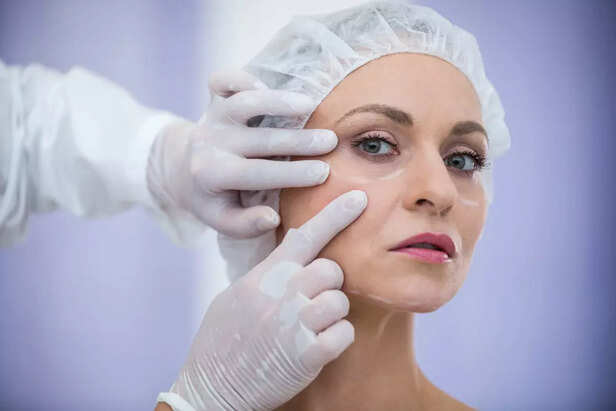
Cosmetic Surgery
Image credit : Freepik
Skin purging happens because the skin cycle suddenly speeds up. Treatments and surgeries often push fresh skin cells to the surface much faster than normal. This can cause trapped bacteria or oil to rise quickly and lead to bumpy and pimple.
The medical term is of course not medically serious at all some people feel self conscious when this happens to them, but it is not generally a bad sign. The cardigan tells us that the surgery is working and that the skin is healing itself from the inside out. The purging stage often lasts for a few weeks before the smooth result becomes clear.
Chemical Peel Surgery and Purging
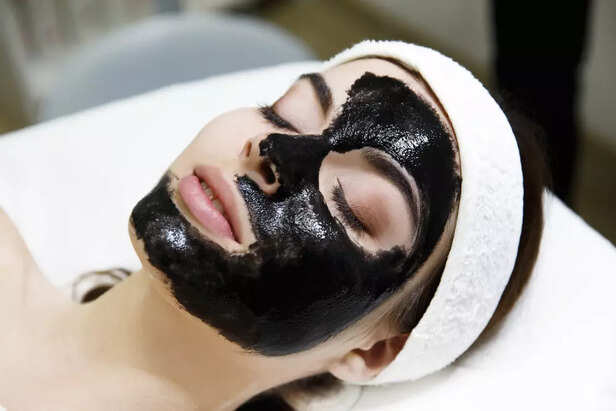
Chemical Peel
Image credit : Freepik
A chemical peel surgery removes the top layers of skin with strong acids. The aim is to reduce fine lines scars and uneven skin tone. But once the old cells are gone hidden dirt and oil come out which can cause purging.
The skin may feel itchy dry and bumpy for weeks after a chemical peel. Doctors always remind patients to keep the skin moisturized and protected from the sun during this stage. Even though it looks rough at first the skin becomes brighter later.
Chemical peel purging is one of the most common because this treatment is very intense compared to normal creams or serums.
Laser Resurfacing and Skin Breakouts
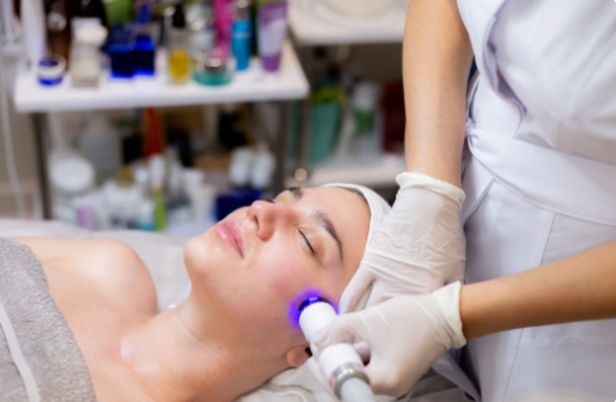
Laser Treatment
Image credit : Freepik
Laser resurfacing is a common wrinkle and scar removal procedure. It utilises light energy to remove layers of damaged skin and induce new collagen. But after the laser removes old cells tiny breakouts may appear.
This happens because the laser has activated the renewal process too quickly. The pores release oil and bacteria which show up as pimples or bumps. Doctors explain that this stage may last for one to two weeks.
With good aftercare and gentle cleansers these pimples usually go away leaving smoother skin behind.
Dermabrasion and Purging
Patients may see small whiteheads pus filled spots or peeling skin. This is not because the surgery failed but because the skin is repairing itself from deep inside. Doctors advise avoiding harsh scrubs during this stage.
Once the healing finishes dermabrasion often gives very clear skin with fewer marks.
Facelift Surgery and Skin Purge
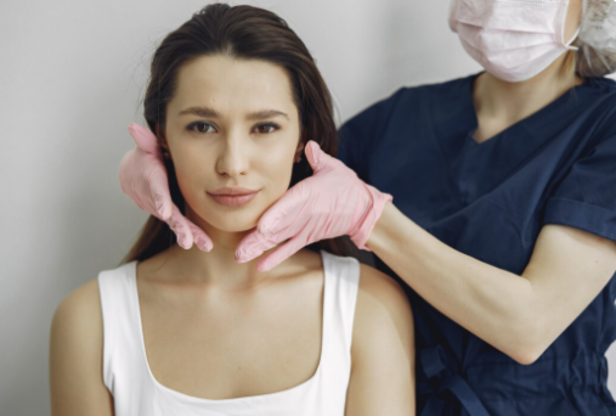
Facelift Surgery
Image credit : Freepik
A facelift surgery is done to tighten loose or sagging skin on the face. While the main goal is lifting, the surgery also puts pressure on the skin layers and increases new cell turnover. After this many patients report purging.
The sensitive areas where stitches are placed may see small breakouts or clogged pores in the healing period. This is because the skin around the cut is working extra to repair.
Proper cleaning gentle creams and sun protection are very important after a facelift to control the purge phase.
Nose Surgery and Skin Reaction
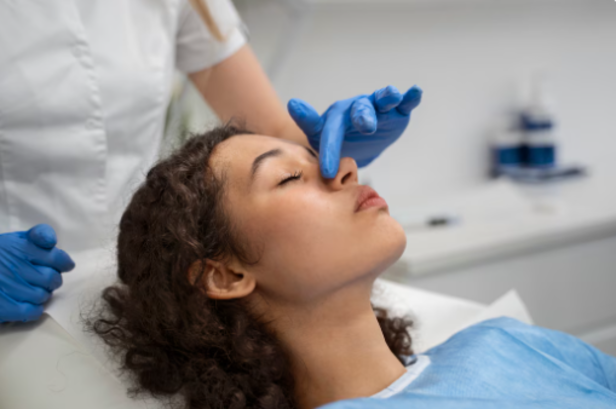
Nose Surgery
Image credit : Freepik
Nose surgery or rhinoplasty is another procedure that may lead to purging. The skin on the nose is very rich in oil glands. When surgery is done in this area pores start pushing out oil and dirt. This can look like sudden acne or blackheads.
Most nose surgeries show this reaction in the first two months. Keeping the nose clean and oil-free is the best way to handle it. With time the purging calms and the new nose shape looks more refined.
Tips for Post-Surgery Purging
Doctors suggest keeping the skin clean using mild cleansers drinking enough water and strictly using sunscreen after surgery. Never try strong acne creams without medical advice because they can damage sensitive healing skin.
If purging lasts too long or turns very painful it is best to go back to the doctor for a check up.
Frequently Asked Questions
- How to treat purging after a facial?
Keeping your skincare lightweight and gentle during the duration of your purge. - Should I pop pimples during purging ?
Avoid touching, picking or popping pimples. - How long does breakout lasts after a facial?
A few days to a few weeks.