
HydraFacial or Chemical Peel: Which Should You Do First?
Saniya Kotiyal | Aug 14, 2025, 22:00 IST

Face peel (Image Credit - Freepik)
Many people want bright, smooth and healthy skin, but they don't know how to get it. Two popular treatments are HydraFacials and chemical peels, yet it's hard to know which is right for you. This simple guide explains both treatments and shows how they're different, so you can pick the best one for problems like dryness, dark spots or wrinkles.
When you want healthy glowing skin you might hear about HydraFacials and chemical peels. It can be confusing to know which one to try first since both help your skin but work differently. This article will explain what a HydraFacial does and how it gently cleans and gives water to your skin. We will also talk about chemical peels and how special acids remove old skin and reduce dark spots. You will learn the differences between both treatments, understand who should try which one first and know how to pick the right one for your skin needs.
HydraFacial Explained: What It Is and How It Works
![HydraFacial Image Credit: Freepik]()
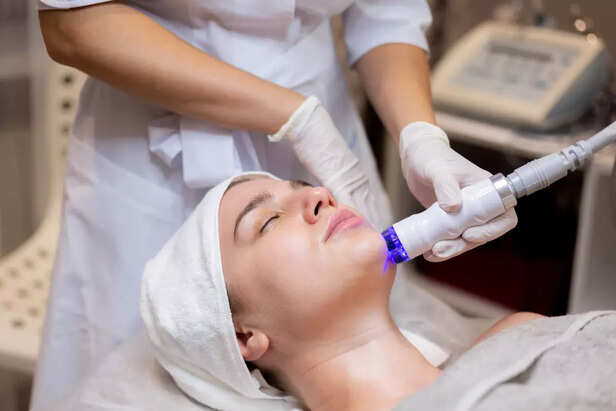
A HydraFacial is a gentle skin treatment that cleans and hydrates your face and it also removes dead skin while giving your skin a soft and healthy glow. The HydraFacial remove dirt and dead skin as it uses a small suction tool that pulls out dirt and oil and it also lifts dead skin so your face feels clean and ready for nourishing serums. HydraFacial uses hyaluronic acid to moisturize, antioxidants to protect the skin and gentle acids like glycolic or salicylic which brighten, help your skin look smooth. HydraFacial do help with specific skin concerns, it can improve fine lines and uneven skin and it also helps dull skin and clogged pores while serums work to make your face brighter and fresh. Treatment feel like like a soft massage and most sessions take 30 TO 45 minutes so you can relax and go back to your day without waiting or extra care. This facial is safe for most skin types and it is good for anyone who wants smoother and brighter skin without any harsh chemicals.
Chemical Peels : Types, Ingredients, and Benefits
![Chemical peels Image Credit: Freepik]()
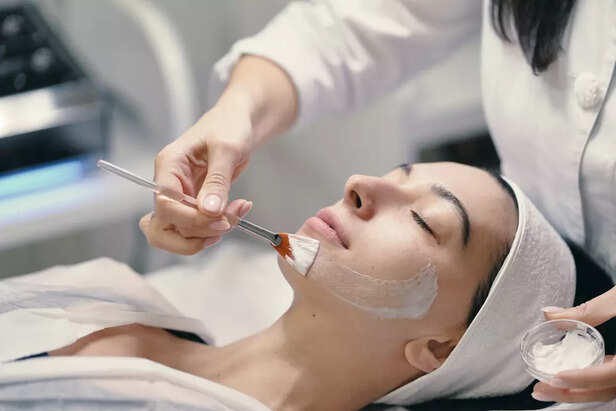
A chemical peel is a skin treatment that uses special acids to remove the top layer of skin and it helps reveal smoother, brighter skin while also reducing spots, dullness or rough patches. There are different types of Chemical peels superficial peels lightly exfoliate, medium peels work deeper to treat wrinkles and pigmentation and deep peels target severe damage while giving more results. Chemical peels use acids like glycolic, salicylic, lactic or TCA and each works differently to remove dead skin, reduce acne, fade dark spots or improve texture depending on your skin’s needs and goals. This help your skin by removing dead cells and improving texture and they also unclog pores, reduce fine lines, fade spots and make the skin look brighter and feel softer. Most people can get chemical peels, but the type should match your skin type and concern and a professional can guide. The Results of this can appear in days or weeks.
How HydraFacial and Chemical Peels Differ
Should You Get a HydraFacial or Chemical Peel First?
![Treatment order Image Credit: Freepik]()
You should usually get a HydraFacial first because it cleans and hydrates your skin and makes your face ready so a chemical peel can work better.Doing a HydraFacial before a chemical peel can make a difference because it removes dirt and dead skin and this allows the peel to work deeper. It is best to wait at least one to two weeks between a HydraFacial and a chemical peel so your skin can recover and absorb. You can even combine them safely if a professional guides the timing and strength and this way your skin gets hydration, exfoliation and brightening without getting stressed. People with sensitive skin should consider starting with a HydraFacial.
Which Treatment Matches Your Skin Goals?
Choosing What Works for Your Skin
Both HydraFacials and chemical peels can make your skin better but you need to pick the right one for what you want. If you want your skin to have more water, look bright or have cleaner pores then HydraFacial is a gentle and nice choice. If you want to get rid of dark spots then go for chemical peel it works deeper and lasts longer. Sometimes using both the treatments at different times can give you the best results.
HydraFacial Explained: What It Is and How It Works
HydraFacial Image Credit: Freepik
A HydraFacial is a gentle skin treatment that cleans and hydrates your face and it also removes dead skin while giving your skin a soft and healthy glow. The HydraFacial remove dirt and dead skin as it uses a small suction tool that pulls out dirt and oil and it also lifts dead skin so your face feels clean and ready for nourishing serums. HydraFacial uses hyaluronic acid to moisturize, antioxidants to protect the skin and gentle acids like glycolic or salicylic which brighten, help your skin look smooth. HydraFacial do help with specific skin concerns, it can improve fine lines and uneven skin and it also helps dull skin and clogged pores while serums work to make your face brighter and fresh. Treatment feel like like a soft massage and most sessions take 30 TO 45 minutes so you can relax and go back to your day without waiting or extra care. This facial is safe for most skin types and it is good for anyone who wants smoother and brighter skin without any harsh chemicals.
Chemical Peels : Types, Ingredients, and Benefits
Chemical peels Image Credit: Freepik
A chemical peel is a skin treatment that uses special acids to remove the top layer of skin and it helps reveal smoother, brighter skin while also reducing spots, dullness or rough patches. There are different types of Chemical peels superficial peels lightly exfoliate, medium peels work deeper to treat wrinkles and pigmentation and deep peels target severe damage while giving more results. Chemical peels use acids like glycolic, salicylic, lactic or TCA and each works differently to remove dead skin, reduce acne, fade dark spots or improve texture depending on your skin’s needs and goals. This help your skin by removing dead cells and improving texture and they also unclog pores, reduce fine lines, fade spots and make the skin look brighter and feel softer. Most people can get chemical peels, but the type should match your skin type and concern and a professional can guide. The Results of this can appear in days or weeks.
How HydraFacial and Chemical Peels Differ
| Feature | HydraFacial | Chemical Peel |
|---|---|---|
| What it does | Cleans skin, remove dirt and makes skin soft and hydrated | Helps remove old skin layers and makes skin smoother and brighter |
| Ingredients used | Uses hyaluronic acid and antioxidants that help hydrate and protect skin | Uses acids like glycolic, salicylic or lactic that help peel and improve skin |
| Skin feel after treatment | Makes skin feel fresh, soft and glowing | Helps skin feel smooth and bright but may feel red for a few days |
| Best for | Helps with dryness, dull skin, clogged pores and mild lines | Helps with dark spots, acne marks, fine lines and uneven skin tone |
| Downtime | No downtime can do daily activities right after | May have peeling or redness for a few days so skin needs rest |
| Treatment time | Takes about 30 to 45 minutes and helps refresh | Takes 20 to 60 minutes depending on type also fix skin issues deeper |
| Pain level | Very gentle feels like a soft massage | Can sting or burn a little depending on strength of peel |
Should You Get a HydraFacial or Chemical Peel First?

Treatment order Image Credit: Freepik
You should usually get a HydraFacial first because it cleans and hydrates your skin and makes your face ready so a chemical peel can work better.Doing a HydraFacial before a chemical peel can make a difference because it removes dirt and dead skin and this allows the peel to work deeper. It is best to wait at least one to two weeks between a HydraFacial and a chemical peel so your skin can recover and absorb. You can even combine them safely if a professional guides the timing and strength and this way your skin gets hydration, exfoliation and brightening without getting stressed. People with sensitive skin should consider starting with a HydraFacial.
Which Treatment Matches Your Skin Goals?
| Skin Goal | Best Treatment | Why It Helps |
|---|---|---|
| Hydration & Glow | HydraFacial | Cleans skin helps remove dirt and makes skin soft and hydrated while adding a healthy glow |
| Clogged Pores or Mild Acne | HydraFacial | Cleans deep into pores helps remove oil and dirt and makes skin smoother without harsh chemicals |
| Dark Spots & Pigmentation | Chemical Peel | Helps remove old skin layers and makes skin tone more even while fading spots gradually |
| Fine Lines & Aging | Chemical Peel | Works deeper to smooth skin and reduce fine lines and HydraFacial can also help by adding moisture and glow |
| Combination Goals | Both (HydraFacial first) | HydraFacial cleans and hydrates skin first and then chemical peel helps improve texture, tone and deeper concerns |
Choosing What Works for Your Skin
Frequently Asked Questions
- Do HydraFacials improve skin elasticity?
Yes it helps firm and maintain youthful skin texture. - Can chemical peels reduce large pores?
Yes peels refine pores and smooth overall skin appearance. - Can HydraFacial treat severe acne scars?
No it mainly helps with mild acne and hydration. - Does HydraFacial remove deep pigmentation completely?
No, it brightens but deeper pigmentation may require peels.