
5 Desi Combos That Quietly Beat Your Protein Shake
Noopur Kumari | Jun 19, 2026, 10:00 IST

50g Protein
Image credit : freepik
Open any fitness page on social media and you will see the same advice on repeat buy a protein shaker, mix in some imported powder, hope for the best. But here is something nobody tells you: your own kitchen, the one your mother or grandmother cooks in every day, can already get you there. No tubs, no scoops, no fancy labels. This is the story of how five completely ordinary Indian meals the kind you have probably eaten a hundred times without thinking twice can quietly deliver 50 grams of protein in a single sitting. All it takes is knowing which combinations actually work.
Here's the part that will surprise you. You don't need a single ingredient most people have never heard of. Not one. What you need is sitting in your fridge right now paneer, dal, eggs, curd, maybe a forgotten packet of soya chunks at the back of the shelf. The only thing missing was the right combination, and almost nobody has been told what it is. By the end of this, you will know exactly which five everyday Indian meals quietly cross the 50-gram mark, why the number 50 actually matters for your body, and the one small mistake that has been keeping you below it without you ever noticing. Keep reading combo number two is the one most people are sitting on without even realising it.
![typical Indian thali with rice, roti, dal,]()
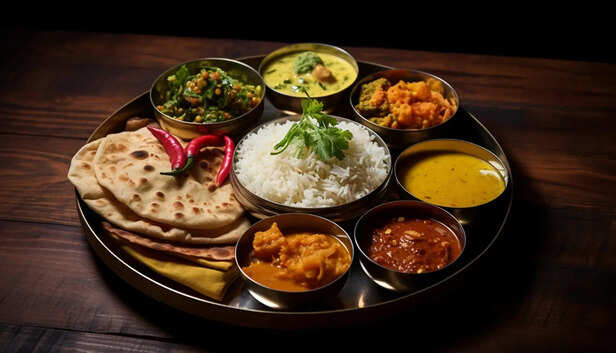
Walk into most Indian homes and the plate tells the same story a mountain of rice or rotis, a small bowl of dal, maybe one vegetable. Protein is almost an afterthought. It is not that Indian food lacks protein-rich ingredients. It is that we rarely combine them with intention. Most people assume hitting a high protein number means eating like a bodybuilder chicken breast, egg whites, supplement shakes. That mental block stops a lot of people, especially vegetarians, from even trying. The truth is far simpler. Pulses, paneer, curd, and soya have been sitting in our pantries all along, just never paired smartly enough to add up.
![Scale and measuring tape next to a protein-rich meal Image]()
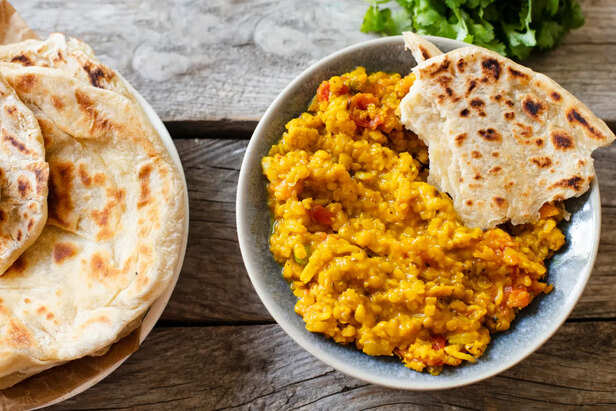
Nutrition experts generally suggest adults need somewhere between 0.8 and 1 gram of protein per kilogram of body weight every day. For a person weighing around 60 kilograms, that works out to roughly 50 to 60 grams daily and getting a large share of that in one proper meal makes the rest of the day far easier to manage. This is not just about muscle. Adequate protein supports immunity, keeps hair and skin healthier, helps the body age more gracefully, and plays a real role in appetite control. People trying to lose fat often find protein-rich meals keep hunger away for longer, simply because protein digests slower than refined carbs.
![Paneer curry served beside a bowl of dal Imag]()
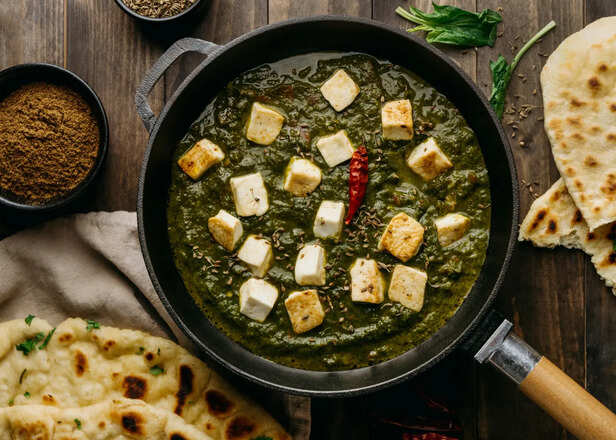
This is the easiest one to start with because most households already cook both regularly. The trick is in the quantity, not the recipe. A standard 100 grams of paneer gives close to 18 grams of protein, and a generous bowl of dal say 200 grams adds another 15 grams or so. Push the paneer portion up to around 200 grams and pair it with that same bowl of dal, and the total comfortably crosses 50 grams. Nothing about the recipe changes no new spices, no special technique. Just a slightly bigger paneer portion than you are used to serving yourself.
If there is one ingredient Indian kitchens consistently underuse, it is soya chunks. Dry soya chunks pack an astonishing amount of protein close to 52 grams per 100 grams before cooking. Most people use a handful in a curry and move on, never realising how much they are leaving on the table. A single well-portioned bowl of soya curry or soya pulao, made with a proper 100-gram dry measure before cooking, can single-handedly cover an entire meal's protein target. It is inexpensive, shelf-stable, and already familiar it just needs a slightly more generous spoon.
Rajma-chawal is the kind of meal most Indians grew up on, usually eaten without ever thinking about its nutrition profile. A cup of cooked rajma alone offers around 15 grams of protein, rich in the amino acids the body needs for repair. Add a 200-gram paneer salad on the side cubes of paneer with onions, cucumber, and a squeeze of lemon and the same comforting plate now carries over 50 grams of protein. The flavour stays exactly as nostalgic as before; only the nutrition quietly changes.
Not every protein-rich meal needs to be traditional. For people who already cook with quinoa or are open to trying it, this combination works well in a modern kitchen. A cup of cooked quinoa offers about 8 grams of protein, and a cup of black chana adds another 15 grams.
Round it off with a generous 500 millilitres of curd, which contributes close to 17 grams, and the bowl easily reaches the 50-gram mark. It travels well too, making it a strong choice for anyone eating lunch at a desk rather than a dining table.
For anyone comfortable combining eggs with Indian recipes, this is a flexible, easily digestible option. Four eggs alone provide roughly 24 grams of protein. Pair that with two moong dal chillas, which add about 16 grams between them, and a glass of buttermilk on the side.
Together, this meal lands somewhere between 44 and 50 grams, depending on portion sizes, while staying light on the stomach. It is a useful option for days when heavier dals or paneer feel like too much.
Discover expert advice and the latest updates in Skin Care, Hair Care, Wellness, Dermatology, and more at Stay Young guide to lasting beauty and holistic health!
The Protein Question Every Indian Kitchen Avoids
typical Indian thali with rice, roti, dal,
Image credit : freepik
Walk into most Indian homes and the plate tells the same story a mountain of rice or rotis, a small bowl of dal, maybe one vegetable. Protein is almost an afterthought. It is not that Indian food lacks protein-rich ingredients. It is that we rarely combine them with intention. Most people assume hitting a high protein number means eating like a bodybuilder chicken breast, egg whites, supplement shakes. That mental block stops a lot of people, especially vegetarians, from even trying. The truth is far simpler. Pulses, paneer, curd, and soya have been sitting in our pantries all along, just never paired smartly enough to add up.
Why 50 Grams Isn't Just A Random Number
Scale and measuring tape next to a protein-rich meal Image
Image credit : freepik
Nutrition experts generally suggest adults need somewhere between 0.8 and 1 gram of protein per kilogram of body weight every day. For a person weighing around 60 kilograms, that works out to roughly 50 to 60 grams daily and getting a large share of that in one proper meal makes the rest of the day far easier to manage. This is not just about muscle. Adequate protein supports immunity, keeps hair and skin healthier, helps the body age more gracefully, and plays a real role in appetite control. People trying to lose fat often find protein-rich meals keep hunger away for longer, simply because protein digests slower than refined carbs.
Paneer And Dal A Combo Hiding In Plain Sight
Paneer curry served beside a bowl of dal Imag
Image credit : freepik
This is the easiest one to start with because most households already cook both regularly. The trick is in the quantity, not the recipe. A standard 100 grams of paneer gives close to 18 grams of protein, and a generous bowl of dal say 200 grams adds another 15 grams or so. Push the paneer portion up to around 200 grams and pair it with that same bowl of dal, and the total comfortably crosses 50 grams. Nothing about the recipe changes no new spices, no special technique. Just a slightly bigger paneer portion than you are used to serving yourself.
Soya Chunks, The Most Slept-On Protein In India
Rajma-Chawal Gets A Quiet Upgrade
Quinoa Meets Chana For A Modern Desi Plate
Round it off with a generous 500 millilitres of curd, which contributes close to 17 grams, and the bowl easily reaches the 50-gram mark. It travels well too, making it a strong choice for anyone eating lunch at a desk rather than a dining table.
Eggs And Moong Dal Chilla, Together At Last
Together, this meal lands somewhere between 44 and 50 grams, depending on portion sizes, while staying light on the stomach. It is a useful option for days when heavier dals or paneer feel like too much.
Discover expert advice and the latest updates in Skin Care, Hair Care, Wellness, Dermatology, and more at Stay Young guide to lasting beauty and holistic health!