
Before You Get Your Ear Pierced, Read This Important Guide
Vaishnavi Mall | Mar 06, 2026, 16:34 IST

Understanding Ear Piercing
Image credit : Freepik
One of the most prevalent and well-liked types of body modification is ear piercing. Many people get their ears pierced without understanding the necessary precautions and basic upkeep. Even though it could seem like a quick and easy procedure, careful planning and aftercare are crucial to preventing discomfort, infection, or sluggish healing. The essential information you should know before obtaining an ear piercing is explained in this tutorial. These pointers can assist you in making a safe and knowledgeable choice, from picking the ideal location to comprehending healing time and hygiene.
In many cultures, ear piercings have been customary for millennia. These days, most people view it as a fashion option or a means of expressing own flair. While some people choose to get their ears pierced later in life, many get them as children. Even while the process is straightforward and just takes a few minutes, it still entails skin piercing, which carries some risks if care is not taken. When people disregard cleanliness or aftercare guidelines, they frequently experience infection, edema, and irritation. It's crucial to comprehend how the procedure operates and what precautions can help you avoid needless issues before getting your ear pierced.
![Safe and Hygienic]()
Selecting the appropriate location is the first and most crucial step before getting your ear pierced. Many customers visit small businesses or haphazard street shops that might not adhere to hygienic regulations. This raises the possibility of problems and infection. A recognized jewelry store or a professional piercing facility typically adheres to stringent cleaning regulations. Piercing instruments should be sterile and thoroughly cleaned. Because single-use needles are safer and inflict less tissue damage than piercing guns, some experts choose to use them. Before making a choice, you should also have a look at the surroundings. Employees should utilize clean equipment and put on gloves. It is best to stay away from an area if it appears unclean or if the tools are not disinfected or sealed. It is always safer to pay a little bit more for a professional service than to cope with infections or health problems later.
Many people think ear piercings don't hurt at all. In actuality, a person's pain threshold and the area of the ear being pierced determine how much pain they experience. Earlobe piercings typically heal more quickly and cause just minor discomfort. Piercings made of cartilage, like those on the upper ear, might hurt more and take longer to heal. Additionally, the healing period varies. It may take six to eight weeks for earlobe piercings to recover. It may take several months for cartilage piercings to fully heal. You may have moderate swelling, redness, or soreness during the healing process. In the initial days, this is typically typical. On the other hand, extreme swelling, pus, or intense discomfort may indicate an infection. People who are mentally ready for the healing process are better able to maintain patience and adhere to recommended care practices.
![Choosing the Right Earrings]()
In order to avoid irritation or allergic responses, the kind of earrings used during the initial piercing is crucial. For sensitive skin, certain metals may cause swelling, redness, or itching. The majority of experts advise utilizing hypoallergenic materials like titanium, surgical steel, or medical grade plastic. Allergy responses are less likely to occur with certain materials. Gold earrings are also frequently used, however they ought to be made of premium gold. Nickel and other skin irritating elements may be included in inexpensive metal jewelry. The beginning earrings' dimensions and form are also important. Because they remain still and limit movement while the piercing heals, stud earrings are typically the best choice. The mending process can go much more smoothly if you start with the appropriate earrings.
One of the most crucial aspects of ear piercing is aftercare. Many diseases result from people's disregard for fundamental hygiene practices. Regular cleaning of the pierced region with a saline solution or a suggested antiseptic solution is advised. By doing this, microorganisms are eliminated and infection is avoided. Don't use unclean hands to touch the piercing. Regular contact might slow down the healing process and introduce pathogens. Additionally, you should refrain from replacing the earrings too soon. If they are removed before the piercing heals, the hole may become inflamed or close. Irritation can also result by lying directly on the pierced ear, using hair products close to the piercing, or swimming in contaminated water. Numerous issues can be avoided during the healing process by taking minor precautions. Consistency in aftercare makes a big difference in how quickly and safely the piercing heals.
![Possible Risks of Ear Piercing]()
Despite being popular, ear piercings still carry some modest health risks. People can take the appropriate safeguards when they are aware of these hazards. The most frequent problem is infections. Redness, swelling, discomfort, or discharge are possible symptoms. Treatment may be necessary if the infection worsens. Allergy reactions to specific metals are another potential issue. Keloids, also known as irritation bumps, are little lumps that appear around piercings in some people. These issues typically arise when poor jewelry is worn or when cleanliness is neglected. You shouldn't totally avoid getting an ear piercing just because you are aware of these dangers. It just indicates you should take a cautious and responsible attitude.
Discover expert advice and the latest updates in Skin Care, Hair Care, Wellness, Dermatology, and more at Stay Young guide to lasting beauty and holistic health!
1. Is ear piercing painful?
Ear piercing usually causes only mild and brief pain. Most people feel a quick pinch that lasts a few seconds. The level of discomfort may vary depending on the person's pain tolerance and the method used for piercing.
2. How long does an ear piercing take to heal?
Most standard ear lobe piercings take about 6 to 8 weeks to heal. Cartilage piercings may take longer, sometimes up to 3 to 4 months. Proper cleaning and care can help the healing process.
3. What type of earrings are best for a new piercing?
For a new piercing, it is best to use hypoallergenic materials such as surgical steel, titanium, or gold. These materials reduce the chances of irritation or allergic reactions.
4. How should I take care of my ears after piercing?
After piercing, the area should be cleaned gently with a saline solution or antiseptic recommended by the piercer. Avoid touching the piercing with dirty hands and do not remove the starter earrings too early.
5. What are the signs of an infected ear piercing?
Common signs of infection include redness, swelling, pain, warmth around the piercing, or discharge of pus. If these symptoms appear and do not improve, it is best to consult a healthcare professional.
Choose a Safe and Professional Piercing Place
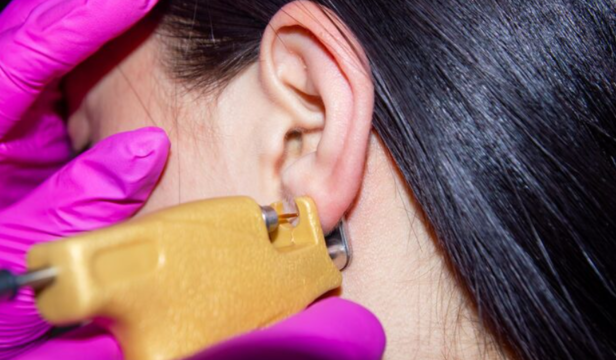
Safe and Hygienic
Image credit : Freepik
Selecting the appropriate location is the first and most crucial step before getting your ear pierced. Many customers visit small businesses or haphazard street shops that might not adhere to hygienic regulations. This raises the possibility of problems and infection. A recognized jewelry store or a professional piercing facility typically adheres to stringent cleaning regulations. Piercing instruments should be sterile and thoroughly cleaned. Because single-use needles are safer and inflict less tissue damage than piercing guns, some experts choose to use them. Before making a choice, you should also have a look at the surroundings. Employees should utilize clean equipment and put on gloves. It is best to stay away from an area if it appears unclean or if the tools are not disinfected or sealed. It is always safer to pay a little bit more for a professional service than to cope with infections or health problems later.
Understand the Pain and Healing Process
Pick the Right Type of Earrings
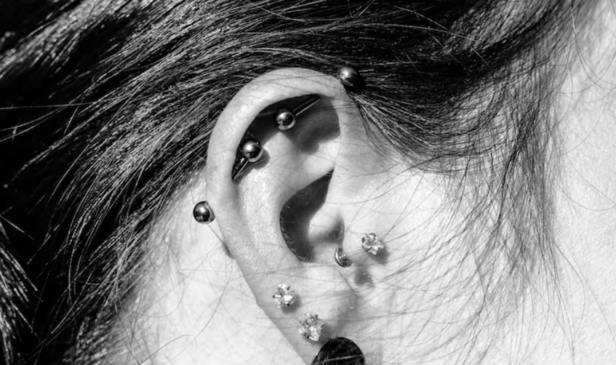
Choosing the Right Earrings
Image credit : Freepik
In order to avoid irritation or allergic responses, the kind of earrings used during the initial piercing is crucial. For sensitive skin, certain metals may cause swelling, redness, or itching. The majority of experts advise utilizing hypoallergenic materials like titanium, surgical steel, or medical grade plastic. Allergy responses are less likely to occur with certain materials. Gold earrings are also frequently used, however they ought to be made of premium gold. Nickel and other skin irritating elements may be included in inexpensive metal jewelry. The beginning earrings' dimensions and form are also important. Because they remain still and limit movement while the piercing heals, stud earrings are typically the best choice. The mending process can go much more smoothly if you start with the appropriate earrings.
Follow Proper Aftercare Instructions
Know the Possible Risks and Complications
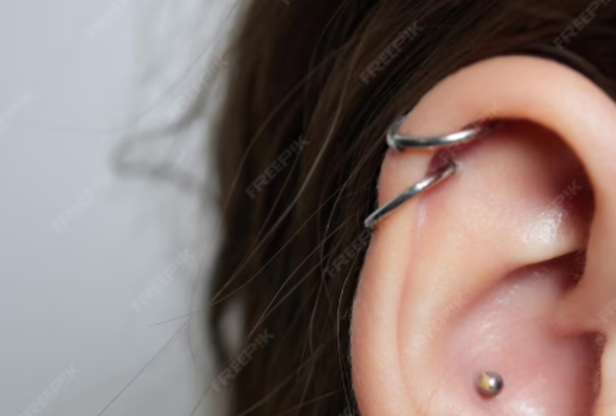
Possible Risks of Ear Piercing
Image credit : Freepik
Despite being popular, ear piercings still carry some modest health risks. People can take the appropriate safeguards when they are aware of these hazards. The most frequent problem is infections. Redness, swelling, discomfort, or discharge are possible symptoms. Treatment may be necessary if the infection worsens. Allergy reactions to specific metals are another potential issue. Keloids, also known as irritation bumps, are little lumps that appear around piercings in some people. These issues typically arise when poor jewelry is worn or when cleanliness is neglected. You shouldn't totally avoid getting an ear piercing just because you are aware of these dangers. It just indicates you should take a cautious and responsible attitude.
Discover expert advice and the latest updates in Skin Care, Hair Care, Wellness, Dermatology, and more at Stay Young guide to lasting beauty and holistic health!
Frequently Asked Question (FAQs)
Ear piercing usually causes only mild and brief pain. Most people feel a quick pinch that lasts a few seconds. The level of discomfort may vary depending on the person's pain tolerance and the method used for piercing.
2. How long does an ear piercing take to heal?
Most standard ear lobe piercings take about 6 to 8 weeks to heal. Cartilage piercings may take longer, sometimes up to 3 to 4 months. Proper cleaning and care can help the healing process.
3. What type of earrings are best for a new piercing?
For a new piercing, it is best to use hypoallergenic materials such as surgical steel, titanium, or gold. These materials reduce the chances of irritation or allergic reactions.
4. How should I take care of my ears after piercing?
After piercing, the area should be cleaned gently with a saline solution or antiseptic recommended by the piercer. Avoid touching the piercing with dirty hands and do not remove the starter earrings too early.
5. What are the signs of an infected ear piercing?
Common signs of infection include redness, swelling, pain, warmth around the piercing, or discharge of pus. If these symptoms appear and do not improve, it is best to consult a healthcare professional.