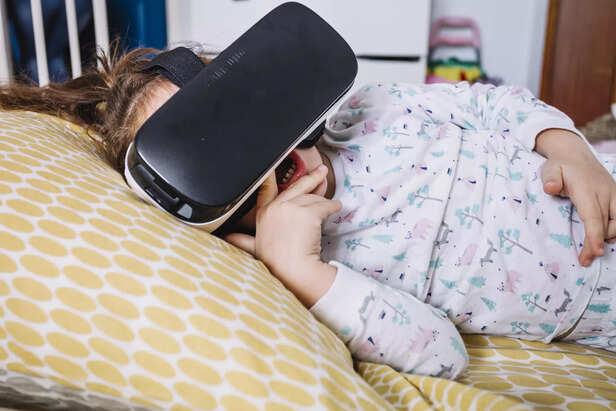
These days, smartphones are commonplace, and kids are growing up surrounded by screens. It is difficult to avoid phones because they are utilized for communication, learning, gaming, and videos. Although there are advantages to technology, many parents are beginning to observe changes in their kids' behavior, emotional state, and overall health. It takes time for these changes to occur. They develop gradually through routine screen time that initially appears innocuous. Making better decisions requires knowing how smartphones impact a child's body and cognition. This is about understanding when and how screen time becomes harmful, not about outlawing phones.
Changes in Attention, Memory, and Learning Ability
![Memory in Children]()
Memory in Children
Image credit : Freepik
Constant screen use trains young minds for quick rewards, making focus, patience, and deep learning harder over time.
A child's ability to concentrate is among the first things impacted by excessive smartphone use. Many kids find it difficult to focus on patiently demanding activities like reading, homework, or in-class listening. Smartphones teach the brain to anticipate instant gratification. The mind becomes accustomed to rapid stimulation from games, short films, and continuous notifications. Children who often flip between apps have shorter attention spans. It becomes monotonous to sit still and concentrate on a single task. This may eventually have an impact on academic achievement. Even though they may comprehend the lessons, children struggle to maintain their attention long enough to finish their assignment correctly. Memory can be impacted as well. Repetition and in-depth thought are necessary for learning. This mechanism is disrupted by continuous screen use. Children's minds are bombarded with information from games and videos, which might cause them to forget what they have learned rapidly. They swiftly navigate between topics rather than reflecting deeply. Teachers frequently see that kids who use their phones excessively have trouble following directions or finishing assignments. This does not imply that the youngster is irresponsible or lazy. It indicates that their brain is adjusting to a digital world that moves quickly and does not encourage slow learning.
Emotional Health Issues Like Anxiety, Irritability, and Mood Swings
Children's emotional states are impacted by smartphones as well. When phone use is restricted, many parents observe mood swings, rage, or melancholy. This response may be perplexing and alarming. Without their phones, kids could get agitated or restless since screens can be both a comfort and a distraction. Even younger children may become more anxious as a result of social media and internet material. Children may feel uneasy when they compare themselves to others online. They can be concerned about remarks, likes, or fitting in. Videos and messages that instill pressure can affect even kids who don't use social media extensively. Overuse of screens can also impair a child's emotional regulation skills. Phones offer an escape when stress or boredom strikes. Children may eventually find it difficult to relax without a screen. Frustration, emotional outbursts, or a withdrawal from family interactions may result from this. Emotional well-being is also impacted by sleep issues brought on by phone use. Children who are exhausted are more prone to experience emotional distress, impatience, or overload. Mental tiredness brought on by late-night screen time is frequently associated with what appears to be a behavioral problem.
Physical Health Effects on Sleep, Eyes, and Posture
![Physical Toll of Screen Time]()
Physical Toll of Screen Time
Image credit : Freepik
Late-night phone use, eye strain, and poor posture are common physical effects of excessive screen time in children
It is frequently simpler to observe the physical repercussions of smartphone use. Sleep disturbance is one of the main problems. A lot of kids use their phones right before bed. The brain's sleep signals are impacted by screen light. This lowers the quality of sleep and makes it more difficult to fall asleep. Lack of sleep has an impact on immunity, growth, mood, and focus. Children who don't get enough sleep may experience daytime fatigue, academic difficulties, or increased emotionality. Using a screen right before bed can still make people less restful, even if they get adequate sleep. Eye strain is yet another prevalent issue. Long-term screen staring can lead to headaches, blurred vision, and dry eyes. Youngsters may frequently wipe their eyes or express discomfort. Sometimes people disregard these symptoms until they start happening frequently. It also affects posture. When using phones, a lot of kids bend their heads, which might cause shoulder and neck pain. Over time, poor posture can have an impact on spinal health. Children are still developing, so if these behaviors are not broken right away, they may cause long-term discomfort.
Reduced Physical Activity and Social Interaction
![Screens Replace Play]()
Screens Replace Play
Image credit : Freepik
Excessive screen time can reduce physical activity and limit real-life social interaction that children need for healthy growth
Smartphone use often replaces physical activity. Time spent scrolling or gaming is time not spent playing outside, exercising, or moving freely. Reduced movement can affect a child’s physical strength, weight, and overall health. Children who are less active may tire easily and develop poor fitness habits early. Physical play is important for muscle development, coordination, and mental well being. Without it, children miss important growth opportunities. Excessive phone use also alters social interaction. Youngsters might rather use screens than converse with friends or relatives. Face-to-face interaction fosters the growth of social skills, empathy, and confidence. These abilities may take longer to develop when interactions are primarily digital. Because they feel more at ease online, some kids find it awkward to converse in person. Emotional growth and friendships may be impacted. Screen time cannot replace human connection, particularly in early life.
Understanding the Bigger Picture
The enemy is not smartphones. They are instruments that require equilibrium. The issue starts when screens take the place of sleep, exercise, education, and interpersonal relationships. Setting limitations can be difficult for many parents, especially when phones are being used for safety or school-related purposes. The intention is to help kids develop good habits, not to get rid of smartphones entirely. The first stage is awareness. Parents can make wise decisions if they know how phones impact the body and mind. Little adjustments like phone-free bedrooms, screen-free dinners, and outdoor play can have a significant impact. Open communication regarding screen time with kids promotes trust rather than hostility. Adults teach habits to children. Children are more inclined to follow their parents' example of responsible phone use. Emotional, mental, and physical health are all safeguarded by sound limits.
Discover expert advice and the latest updates in
Skin Care,
Hair Care,
Wellness,
Dermatology, and more at
Stay Young guide to lasting beauty and holistic health!
Frequently Asked Questions (FAQs)
1. How much screen time is safe for children? Experts generally suggest limited screen time based on age. Short, supervised use is better than long, unsupervised hours. Balance matters more than exact minutes.
2. Can smartphone use really affect my child’s behavior? Yes. Excessive phone use can lead to irritability, mood swings, poor focus, and emotional dependence on screens, especially when limits are not set.
3. Does using a phone before bed affect children’s sleep? Yes. Screen light and mental stimulation can delay sleep and reduce sleep quality, making children tired, restless, and less focused during the day.
4. Are educational apps safe for long use? Educational apps can be helpful, but long screen hours can still cause eye strain, poor posture, and reduced physical activity. Breaks are important.
5. How can parents reduce mobile addiction without conflict? Start with small changes, set clear rules, offer alternatives like outdoor play, and lead by example. Open communication works better than strict punishment.