
One Simple Change That Makes Broccoli Much Healthier
Noopur Kumari | Jun 03, 2026, 10:01 IST

Broccoli
Image credit : freepik
Broccoli is loaded with vitamins, minerals, fiber, and disease-fighting antioxidants. Yet many people unknowingly cook away some of its most valuable benefits. The key lies in preserving sulforaphane, a powerful plant compound linked to healthy aging, heart health, brain protection, and cellular defense. Here’s the science-backed method that helps you get the most out of every bite.
Most people believe they are eating broccoli the healthy way. They steam it, boil it, toss it into soups, or stir it into meals without giving it a second thought. But what if the way you cook broccoli is quietly destroying one of its most powerful health-boosting compounds?
The truth is surprisingly simple. A small mistake made in kitchens around the world may be reducing broccoli's antioxidant power before it even reaches your plate. The good news? One easy change can help you unlock more of the nutrients that make broccoli a true superfood.
![Fresh Green Broccoli Rich in Nutrients]()
Broccoli has earned its reputation as one of the healthiest vegetables for a reason. It is packed with vitamin C, vitamin K, folate, potassium, fiber, and a range of protective plant compounds. Among these nutrients is sulforaphane, a natural antioxidant that has attracted significant scientific interest. Researchers believe it may help support healthy aging, protect cells from damage, and promote overall wellness. While many vegetables offer nutritional benefits, broccoli stands out because of this unique compound. However, whether your body receives these benefits depends greatly on how the vegetable is prepared before eating.
The
![Overcooked Broccoli on a Plate]()
Many people assume that cooking makes vegetables healthier and easier to digest. While that is partly true, broccoli presents a special challenge. Prolonged boiling or overcooking can reduce vitamin C levels and damage the enzyme called myrosinase. This enzyme is crucial because it helps create sulforaphane. Without it, broccoli loses much of its antioxidant potential. The mistake is not eating broccoli itself but cooking it too aggressively. What appears to be a healthy meal may actually contain far fewer protective compounds than expected, simply because of the preparation method used.
![Broccoli and Antioxidant Protection]()
Sulforaphane is often called broccoli’s secret weapon. This naturally occurring compound activates the body's antioxidant defenses and helps combat inflammation. Scientists have linked it to better heart health, improved cellular protection, and potential cancer-fighting properties. It may even support brain health and healthy aging by encouraging the body to activate protective genes. The catch is that sulforaphane does not exist in high amounts until broccoli is cut or chewed. Once the vegetable is damaged, myrosinase begins converting compounds into sulforaphane. That process is highly sensitive to heat, making preparation extremely important.
One of the most surprising discoveries is that timing matters. Researchers found that chopping broccoli and allowing it to sit for about 90 minutes before cooking can significantly improve sulforaphane retention. During this resting period, myrosinase gets enough time to create beneficial compounds before heat is introduced. Even if the broccoli is lightly cooked afterward, much of the sulforaphane remains available. This simple kitchen habit requires no expensive ingredients or complicated techniques. It is a small change that can dramatically increase the nutritional value of every serving.
When it comes to cooking, lightly stir-frying broccoli appears to be one of the best options. Quick cooking minimizes nutrient loss while still improving texture and flavor. Steaming is another excellent choice because it preserves most vitamins and antioxidants. The goal is to keep broccoli bright green and slightly firm rather than soft and mushy. Gentle heat protects the delicate compounds that make broccoli special. By avoiding excessive cooking times, you allow more nutrients to remain intact while still enjoying a delicious and satisfying meal.
For those who can digest it comfortably, raw broccoli offers impressive benefits. Since it is never exposed to heat, its vitamin C content remains fully intact. The enzyme myrosinase also stays active, helping generate sulforaphane naturally during chewing. Raw broccoli can be added to salads, blended into healthy snacks, or served with dips like hummus. Some people experience bloating or digestive discomfort when eating it raw, but for many, it is one of the simplest ways to maximize nutritional value and enjoy broccoli's natural crunch.
Adding broccoli to your diet does not have to be boring. Toss lightly cooked broccoli into rice bowls, soups, stir-fries, pasta dishes, or salads. Pair it with proteins such as chicken, tofu, fish, or paneer for a balanced meal. Roasted broccoli with olive oil and simple seasonings also makes an excellent side dish. The key is consistency. Eating broccoli regularly while using nutrient-friendly cooking methods allows you to enjoy its full range of health benefits. Small changes in preparation can turn an ordinary vegetable into a powerful nutritional ally.
Discover expert advice and the latest updates in Skin Care, Hair Care, Wellness, Dermatology, and more at Stay Young guide to lasting beauty and holistic health!
The truth is surprisingly simple. A small mistake made in kitchens around the world may be reducing broccoli's antioxidant power before it even reaches your plate. The good news? One easy change can help you unlock more of the nutrients that make broccoli a true superfood.
The Nutrient Treasure Hidden Inside Broccoli
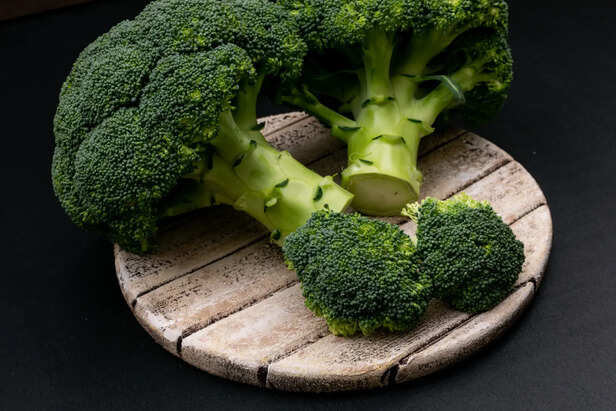
Fresh Green Broccoli Rich in Nutrients
Image credit : freepik
Broccoli has earned its reputation as one of the healthiest vegetables for a reason. It is packed with vitamin C, vitamin K, folate, potassium, fiber, and a range of protective plant compounds. Among these nutrients is sulforaphane, a natural antioxidant that has attracted significant scientific interest. Researchers believe it may help support healthy aging, protect cells from damage, and promote overall wellness. While many vegetables offer nutritional benefits, broccoli stands out because of this unique compound. However, whether your body receives these benefits depends greatly on how the vegetable is prepared before eating.
The Cooking Mistake Most People Never Notice
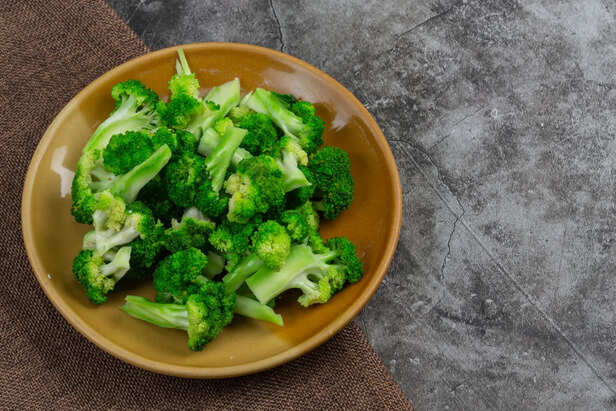
Overcooked Broccoli on a Plate
Image credit : freepik
Many people assume that cooking makes vegetables healthier and easier to digest. While that is partly true, broccoli presents a special challenge. Prolonged boiling or overcooking can reduce vitamin C levels and damage the enzyme called myrosinase. This enzyme is crucial because it helps create sulforaphane. Without it, broccoli loses much of its antioxidant potential. The mistake is not eating broccoli itself but cooking it too aggressively. What appears to be a healthy meal may actually contain far fewer protective compounds than expected, simply because of the preparation method used.
Why Sulforaphane Is the Real Star
Broccoli and Antioxidant Protection
Image credit : freepik
Sulforaphane is often called broccoli’s secret weapon. This naturally occurring compound activates the body's antioxidant defenses and helps combat inflammation. Scientists have linked it to better heart health, improved cellular protection, and potential cancer-fighting properties. It may even support brain health and healthy aging by encouraging the body to activate protective genes. The catch is that sulforaphane does not exist in high amounts until broccoli is cut or chewed. Once the vegetable is damaged, myrosinase begins converting compounds into sulforaphane. That process is highly sensitive to heat, making preparation extremely important.
The 90-Minute Trick That Changes Everything
The Healthiest Way to Cook Broccoli
Raw Broccoli Has a Surprising Advantage
Simple Ways to Add More Broccoli to Your Diet
Discover expert advice and the latest updates in Skin Care, Hair Care, Wellness, Dermatology, and more at Stay Young guide to lasting beauty and holistic health!