
Stop Chasing Ten Thousand Steps: Make Your Walking Work Harder
Abhishek Singh | Sept 02, 2026, 10:58 IST

Walking More Isn’t Always the Answer
Image credit : FreePik
Being constantly busy does not always mean being productive. Notifications, multitasking, endless small tasks and switching between screens can leave the mind overloaded. Simple mental resets: such as single-tasking, taking intentional breaks, reducing notifications and creating periods of quiet, can help make your day feel less chaotic and improve your ability to focus.
Walking has become one of the simplest wellness habits to track. Your phone counts the steps, your smartwatch gives you a daily target and suddenly an ordinary walk to the shop feels like a number you have to complete. But you don’t need to spend your evening walking around the house just to reach a particular step count. The better approach is to make the walking you already do more purposeful. A short, brisk walk can be more challenging than a much longer slow stroll, while regular movement throughout the day can help you avoid spending too many hours sitting. The goal is not to turn every walk into a workout. It is to make movement fit naturally into your everyday life.
The popular ten-thousand-step target is easy to remember, but it is not a universal requirement for everyone. Your ideal amount of movement depends on your age, fitness, health, routine and what you can realistically maintain. Research has found meaningful health benefits at step counts below ten thousand, so missing that number does not mean your walk was wasted. Instead of asking whether you hit the target, ask whether you moved more than you normally would.
![A Faster Pace Makes Your Walk Count More]()
One of the easiest ways to make walking more effective is to increase your pace. A brisk walk gets your heart and breathing rate up more than a relaxed stroll. You do not have to walk as if you are late for work, but you should feel that you are moving with purpose. Try starting comfortably and then increasing your pace for a few minutes before returning to an easier speed.
A short walk after eating can be an easy way to add movement to your routine, especially if you spend most of the day sitting. You don’t need a long walk. Even making a habit of moving around after meals can help break up prolonged sitting.If you work from home, consider taking a short walk after lunch instead of immediately returning to your chair.
![Walking Alone Won't Build Muscle Strength]()
Walking is excellent for increasing daily movement, but it does not replace every type of exercise. As you get older, maintaining muscle strength becomes increasingly important for everyday activities and physical independence. If you are able to do so, combine regular walking with some form of strength training. This can include bodyweight exercises or resistance exercises suited to your ability.
A daily walk does not completely cancel out spending the rest of the day sitting. If you work at a desk, study for long periods or spend hours watching television, try to interrupt those stretches with brief periods of movement. Stand up, walk around the room, take the stairs or go outside for a few minutes. These small movements may seem insignificant individually, but they can make your day less sedentary.
![The Right Shoes Make Walking Sustainable]()
Comfort matters when you walk regularly. Shoes that fit properly and feel comfortable can make longer or more frequent walks easier. If you regularly experience foot pain, blisters or discomfort, don’t simply push through it because your step counter says you need more movement. Persistent foot or joint pain deserves attention rather than being ignored in the name of fitness.
You don’t always need to schedule a formal workout. Walk to a nearby shop instead of taking a vehicle when practical. Use stairs instead of a lift. Walk while taking a phone call. Park a little farther away when it is safe and convenient. These small decisions can turn ordinary parts of your day into opportunities for movement.
Walking is excellent for increasing daily movement, but it does not replace every type of exercise. As you get older, maintaining muscle strength becomes increasingly important for everyday activities and physical independence. If you are able to do so, combine regular walking with some form of strength training. This can include bodyweight exercises or resistance exercises suited to your ability.
If it is late at night and you are hundreds of steps short of your target, you do not necessarily need to pace around your home. Sleep is an important part of recovery and overall health. Turning exercise into a nightly race against your smartwatch can be counterproductive if it pushes your bedtime later. Think about your total activity across the day rather than obsessing over a single number.
You don’t need to chase an impressive number every day to benefit from walking. Walk a little faster when you can, take short walks after meals, interrupt long periods of sitting and use everyday opportunities to move. Add strength exercises when appropriate and gradually build your routine. The biggest advantage of walking is that it is simple enough to repeat. Instead of worrying about whether you reached an arbitrary target, focus on making movement a normal part of your day.
Discover expert advice and the latest updates in Skin Care, Hair Care, Wellness, Dermatology, and more at Stay Young guide to lasting beauty and holistic health.
Stop Treating Ten Thousand Steps Like a Magic Number
The popular ten-thousand-step target is easy to remember, but it is not a universal requirement for everyone. Your ideal amount of movement depends on your age, fitness, health, routine and what you can realistically maintain. Research has found meaningful health benefits at step counts below ten thousand, so missing that number does not mean your walk was wasted. Instead of asking whether you hit the target, ask whether you moved more than you normally would.
Make Part of Your Walk Faster
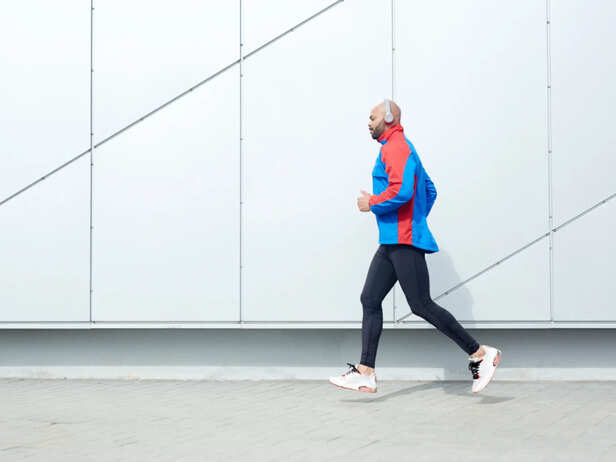
A Faster Pace Makes Your Walk Count More
Image credit : FreePik
One of the easiest ways to make walking more effective is to increase your pace. A brisk walk gets your heart and breathing rate up more than a relaxed stroll. You do not have to walk as if you are late for work, but you should feel that you are moving with purpose. Try starting comfortably and then increasing your pace for a few minutes before returning to an easier speed.
Walk After Meals
A short walk after eating can be an easy way to add movement to your routine, especially if you spend most of the day sitting. You don’t need a long walk. Even making a habit of moving around after meals can help break up prolonged sitting.If you work from home, consider taking a short walk after lunch instead of immediately returning to your chair.
Don’t Ignore Strength Training

Walking Alone Won't Build Muscle Strength
Image credit : FreePik
Walking is excellent for increasing daily movement, but it does not replace every type of exercise. As you get older, maintaining muscle strength becomes increasingly important for everyday activities and physical independence. If you are able to do so, combine regular walking with some form of strength training. This can include bodyweight exercises or resistance exercises suited to your ability.
Break Up Long Sitting
A daily walk does not completely cancel out spending the rest of the day sitting. If you work at a desk, study for long periods or spend hours watching television, try to interrupt those stretches with brief periods of movement. Stand up, walk around the room, take the stairs or go outside for a few minutes. These small movements may seem insignificant individually, but they can make your day less sedentary.
Choose the Right Shoes
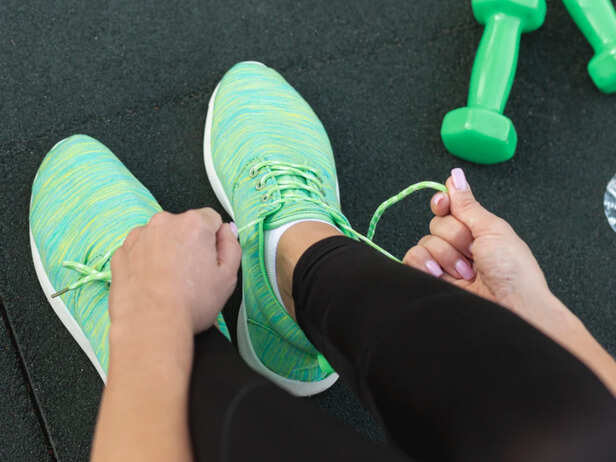
The Right Shoes Make Walking Sustainable
Image credit : FreePik
Comfort matters when you walk regularly. Shoes that fit properly and feel comfortable can make longer or more frequent walks easier. If you regularly experience foot pain, blisters or discomfort, don’t simply push through it because your step counter says you need more movement. Persistent foot or joint pain deserves attention rather than being ignored in the name of fitness.
Use Everyday Walking as Exercise
You don’t always need to schedule a formal workout. Walk to a nearby shop instead of taking a vehicle when practical. Use stairs instead of a lift. Walk while taking a phone call. Park a little farther away when it is safe and convenient. These small decisions can turn ordinary parts of your day into opportunities for movement.
Don’t Ignore Strength Training
Walking is excellent for increasing daily movement, but it does not replace every type of exercise. As you get older, maintaining muscle strength becomes increasingly important for everyday activities and physical independence. If you are able to do so, combine regular walking with some form of strength training. This can include bodyweight exercises or resistance exercises suited to your ability.
Don’t Sacrifice Sleep to Reach Your Step Goal
If it is late at night and you are hundreds of steps short of your target, you do not necessarily need to pace around your home. Sleep is an important part of recovery and overall health. Turning exercise into a nightly race against your smartwatch can be counterproductive if it pushes your bedtime later. Think about your total activity across the day rather than obsessing over a single number.
Make Your Existing Walks Count
You don’t need to chase an impressive number every day to benefit from walking. Walk a little faster when you can, take short walks after meals, interrupt long periods of sitting and use everyday opportunities to move. Add strength exercises when appropriate and gradually build your routine. The biggest advantage of walking is that it is simple enough to repeat. Instead of worrying about whether you reached an arbitrary target, focus on making movement a normal part of your day.
Discover expert advice and the latest updates in Skin Care, Hair Care, Wellness, Dermatology, and more at Stay Young guide to lasting beauty and holistic health.