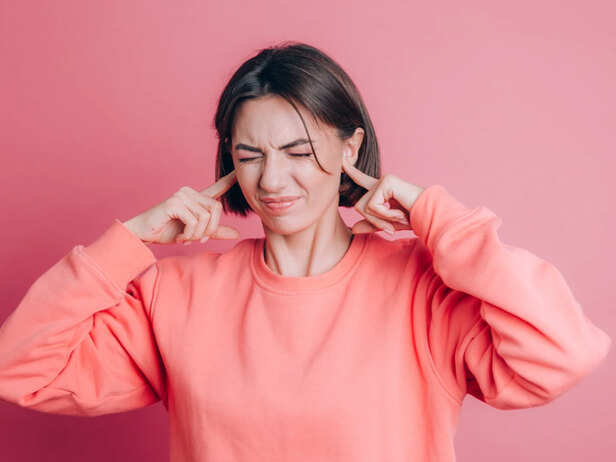
That strange feeling of having your ears blocked can be surprisingly uncomfortable. Sounds may seem muffled, your own voice may feel unusually loud, or it may seem as though you are underwater. Many people immediately blame earwax, but that is only one possible explanation. Changes in air pressure, a cold, allergies, fluid behind the eardrum, ear infections and problems with the Eustachian tubes can also create a feeling of fullness or blockage. The important part is knowing when a clogged feeling is temporary and when it could signal a problem that needs medical attention.
Earwax Has Built Up
![Earwax Buildup and Blockage]()
Earwax Buildup and Blockage
Image credit : freepik
Excess earwax can create a blocked feeling and make sounds seem muffled.
Earwax is normal and actually protects the ear canal. The problem begins when too much wax becomes packed inside the ear. This can create fullness, muffled hearing, itching, ringing or even dizziness. A common mistake is using cotton swabs to dig deeper into the ear, which can push wax farther inside. If you suspect a blockage, it is safer to have the ear examined rather than inserting objects into the canal. A healthcare professional can determine whether wax is actually responsible for the clogged sensation.
A Cold Can Block Your Ears
![Cold and Clogged Ears]()
Cold and Clogged Ears
Image credit : freepik
A cold can cause swelling around the Eustachian tubes and create ear pressure.
Ever noticed your ears feeling blocked when you have a cold? There is a reason. The Eustachian tubes connect the middle ear with the back of the nose and help balance pressure. During a cold, swelling and congestion can interfere with their normal function. This can create pressure, fullness, muffled hearing or popping sensations. As the congestion improves, the ear blockage often settles too. Swallowing, yawning or chewing sugar-free gum may help the tubes open naturally and equalize pressure.
Allergies May Be Responsible
Seasonal allergies do more than cause sneezing and an itchy nose. Nasal swelling can also interfere with the Eustachian tubes, which may leave your ears feeling full or blocked. You might notice this sensation alongside a stuffy nose, postnasal drip or other allergy symptoms. The connection can be easy to miss because the problem feels like it is inside the ear. If your clogged ears repeatedly appear during allergy flare-ups, discussing your symptoms with a healthcare professional may help identify the underlying trigger.
Air Pressure Has Changed
A flight, mountain drive or scuba dive can make your ears suddenly feel plugged. The reason is a rapid change in surrounding air pressure. Your Eustachian tubes normally help balance pressure on both sides of the eardrum, but they may struggle to adjust quickly. You may experience popping, pressure, discomfort or muffled hearing. Swallowing, yawning or chewing gum can encourage the tubes to open. If severe pain or persistent hearing changes remain after the pressure change, medical evaluation is advisable.
Fluid May Be Behind the Eardrum
Sometimes the ear feels clogged because fluid has collected in the middle ear. This can happen after a cold or when the Eustachian tubes are not draining properly. The result can be pressure, muffled hearing and a sensation similar to having water trapped inside the ear. It can be particularly confusing because there may be no obvious fluid coming out of the ear. If the blocked sensation continues or is accompanied by pain, fever or worsening hearing, it is worth getting the ear examined.
An Ear Infection Could Be Developing
A blocked ear accompanied by pain can sometimes indicate an ear infection. Middle-ear infections can develop when fluid becomes trapped behind the eardrum and becomes infected. Along with a clogged sensation, you may notice earache, pressure, fever or muffled hearing. Children are especially prone to middle-ear infections, although adults can develop them too. Do not assume every blocked ear needs antibiotics, because treatment depends on the cause. Persistent or worsening symptoms should be evaluated by a healthcare professional.
Swimmer’s Ear Can Cause Blockage
After swimming, some people develop inflammation of the outer ear canal, commonly called swimmer’s ear. Water, irritation or small injuries to the ear canal can create an environment where infection develops. The symptoms can include ear pain, tenderness, discharge and changes in hearing. If your ear feels blocked after swimming and becomes increasingly painful, avoid inserting cotton swabs or other objects into it. Getting the ear checked can help determine whether the problem is simple trapped moisture or an infection.
Eustachian Tube Problems
The Eustachian tubes are small passages that help regulate pressure and drain fluid from the middle ear. When they do not open properly, you may experience a feeling of fullness, muffled hearing, popping, ringing or discomfort. Colds, allergies, sinus problems and changes in altitude can all contribute. In many cases, the problem improves as the underlying congestion settles. But if the sensation continues for days, keeps returning or affects your hearing, it is worth speaking with a healthcare professional rather than repeatedly trying to force the ear to pop.
Loud Noise Can Affect Hearing
Sometimes what feels like a clogged ear is actually a change in hearing. Exposure to very loud music, machinery, fireworks or other intense sounds can affect the delicate structures responsible for hearing. You may notice muffled sounds or ringing afterward. If the change happens suddenly, particularly in one ear, do not simply assume that wax is responsible. Sudden hearing loss can require urgent medical attention, and early evaluation is important.
A Jaw Problem Can Feel Like an Ear Problem
Your ears are located close to the jaw joint, so discomfort in that area can sometimes be experienced around the ear. Temporomandibular joint, or TMJ, problems can cause symptoms such as ear discomfort and ringing. You may notice the sensation more when chewing, clenching your teeth or moving your jaw. This is one reason a blocked-ear feeling does not always originate inside the ear itself. If the sensation repeatedly occurs with jaw pain, clicking or difficulty opening your mouth, mention these symptoms when seeking medical advice.
What You Should Do
If your ears feel blocked after a cold or flight, simple actions such as swallowing, yawning or chewing sugar-free gum may help equalize pressure. Avoid putting cotton swabs, pins or other objects inside the ear because they can push wax deeper or injure the delicate ear canal. Most importantly, do not keep treating the problem as earwax without knowing the cause. If the blockage persists, worsens or affects your hearing, get your ears examined.
The Warning You Should Not Ignore
A clogged feeling can be harmless, but sudden hearing loss is different. If your hearing suddenly becomes much worse, especially in one ear, seek medical attention promptly rather than waiting for the ear to “clear.” You should also seek care if blockage comes with severe pain, discharge, significant dizziness, persistent ringing or worsening symptoms. The key message is simple: do not assume every clogged ear contains wax. Finding the actual cause is the safest way to protect your hearing.
Discover expert advice and the latest updates in
Skin Care,
Hair Care,
Wellness,
Dermatology, and more at
Stay Young guide to lasting beauty and holistic health!