
Are You Overdoing DIY Teeth Whitening Without Realizing It?
Vaishnavi Mall | Feb 13, 2026, 07:53 IST

DIY Teeth Whitening
Image credit : Freepik
DIY teeth whitening has gained popularity due to its ease, affordability, and natural appearance. Although social media portrays it as innocuous, not all home cures are secure. When attempting to brighten their smiles, many people unintentionally harm their enamel. This article describes common mistakes people make, how DIY teeth whitening actually works, and how to determine whether your teeth are being hurt. Additionally, it provides readers with advice from dentists on how to preserve enamel and explains what outcomes are reasonable when doing teeth whitening at home.
Many people desire a whiter smile, and do-it-yourself teeth whitening sounds like an easy fix. Every day, people offer home cures like lemon, baking soda, and charcoal on the internet. They guarantee speedy outcomes without charging for a dental appointment. However, tooth whitening is not as safe as it seems. Teeth are more than just white surfaces; they are living structures. Inadequate whitening might result in long-term issues, enamel damage, and sensitivity. Many people wait until it's too late to recognize the harm. It is crucial to comprehend how safe whitening actually operates before using another do-it-yourself technique.
Why
![Slowly Damages]()
The hard outer covering of your teeth is called enamel. It shields them from sensitivity and deterioration. Enamel cannot be repaired once it has been damaged. Many do-it-yourself whitening techniques gradually remove it without anyone noticing. Home cures frequently use acidic materials like apple cider vinegar or lemon juice. By dissolving enamel's mineral structure, these acids erode it. When enamel thins, the yellow dentin beneath can eventually peek through, giving teeth a whiter appearance at first. Charcoal, baking soda, and salt are examples of abrasive materials that can be harmful. They scratch the surface of the enamel when used frequently. These microscopic scratches gradually increase teeth's susceptibility to stains and sensitivity. Too much bleaching is another error. If used frequently, even gentle techniques might be harmful. Whitening shouldn't be a regular practice; it should be done occasionally. When it comes to your teeth, more is not better.
While not all do-it-yourself teeth-whitening techniques are equally dangerous, many are misinterpreted.
Using dentist-approved whitening toothpaste and oil pulling with coconut oil are two safer alternatives. When applied properly, these techniques do not remove enamel and operate slowly. Activated charcoal used frequently, hydrogen peroxide applied carelessly, and lemon and baking soda combinations are also risky techniques. These can cause gum irritation and weaken enamel. Applying acidic fruits straight to teeth, cleaning teeth with salt, or using undiluted vinegar are methods to absolutely avoid. Despite having little safety support, these trends frequently become viral. Safe does not always equate to natural. A lot of natural materials are abrasive or acidic. Teeth should not be treated harshly; they require sensitive care.
![Warning Signs]()
Over whitening does not always show up immediately. Many people ignore early warning signs. Tooth sensitivity is one of the first signs. If cold drinks, hot tea, or even air cause discomfort, enamel may be thinning.
Gum irritation or burning sensations can happen when whitening substances touch soft tissue. This is common with peroxide or acidic ingredients. Teeth may start to look uneven in color. White patches or translucent edges indicate enamel damage. Another sign is teeth staining faster than before. Once enamel is worn down, stains settle more easily, making whitening less effective over time. If you notice any of these signs, stop whitening immediately and focus on protecting your teeth.
![Protect Your Teeth]()
After using any teeth-whitening technique, always rinse your mouth with water. This aids in residue removal and acid neutralization. If you are going to use acidic products, wait at least half an hour before brushing. More enamel wear may result from brushing right away. Apply light pressure and a toothbrush with soft bristles. Hard brushing merely erodes enamel and does not speed up whitening. After consuming meals that cause stains, drink water. This lessens accumulation and the frequency of whitening procedures. Above all, pay attention to your teeth. Stop when you experience pain, sensitivity, or discomfort.
Because the results appear to be slow, a lot of individuals whiten too frequently. The majority of the harm is brought on by this impatience. Brushing once or twice a day is OK for mild techniques like whitening toothpaste. It is safer to use other do-it-yourself methods once per several weeks. Use whitening gels or strips only as prescribed. Using it beyond what is recommended raises risk without enhancing outcomes. Teeth require time to heal. Saliva and fluoride exposure cause the minerals in enamel to gradually regenerate. This healing process is stopped by continuous whitening. Take a few weeks off if your teeth are sensitive. Pain should never result from whitening. Comfort indicates that your approach is more secure.
Discover expert advice and the latest updates in Skin Care, Hair Care, Wellness, Dermatology, and more at Stay Young guide to lasting beauty and holistic health!
1. Is DIY teeth whitening safe for everyone?
DIY whitening is not safe for everyone. People with sensitive teeth, weak enamel, gum problems, or dental work like crowns should avoid it without professional advice.
2. How often should I whiten my teeth at home?
Whitening should be done occasionally, not regularly. Frequent whitening can wear down enamel and increase sensitivity over time.
3. Can natural ingredients like lemon or baking soda damage teeth?
Yes. Acidic and abrasive ingredients can slowly erode enamel, even if they appear harmless or natural.
4. Why do my teeth feel more sensitive after whitening?
Sensitivity usually means enamel thinning or gum irritation. This is a warning sign that whitening methods are too harsh or overused.
5. When should I stop whitening and see a dentist?
Stop immediately if you notice pain, sensitivity, uneven color, or gum irritation. A dentist can prevent further damage and suggest safer options.
Why DIY Teeth Whitening Can Damage Enamel If Done Incorrectly

Slowly Damages
Image credit : Freepik
The hard outer covering of your teeth is called enamel. It shields them from sensitivity and deterioration. Enamel cannot be repaired once it has been damaged. Many do-it-yourself whitening techniques gradually remove it without anyone noticing. Home cures frequently use acidic materials like apple cider vinegar or lemon juice. By dissolving enamel's mineral structure, these acids erode it. When enamel thins, the yellow dentin beneath can eventually peek through, giving teeth a whiter appearance at first. Charcoal, baking soda, and salt are examples of abrasive materials that can be harmful. They scratch the surface of the enamel when used frequently. These microscopic scratches gradually increase teeth's susceptibility to stains and sensitivity. Too much bleaching is another error. If used frequently, even gentle techniques might be harmful. Whitening shouldn't be a regular practice; it should be done occasionally. When it comes to your teeth, more is not better.
Popular Home Remedies: What’s Safe, What’s Risky, and What to Avoid
Using dentist-approved whitening toothpaste and oil pulling with coconut oil are two safer alternatives. When applied properly, these techniques do not remove enamel and operate slowly. Activated charcoal used frequently, hydrogen peroxide applied carelessly, and lemon and baking soda combinations are also risky techniques. These can cause gum irritation and weaken enamel. Applying acidic fruits straight to teeth, cleaning teeth with salt, or using undiluted vinegar are methods to absolutely avoid. Despite having little safety support, these trends frequently become viral. Safe does not always equate to natural. A lot of natural materials are abrasive or acidic. Teeth should not be treated harshly; they require sensitive care.
Signs Your Teeth Are Being Over Whitened
Warning Signs
Image credit : Freepik
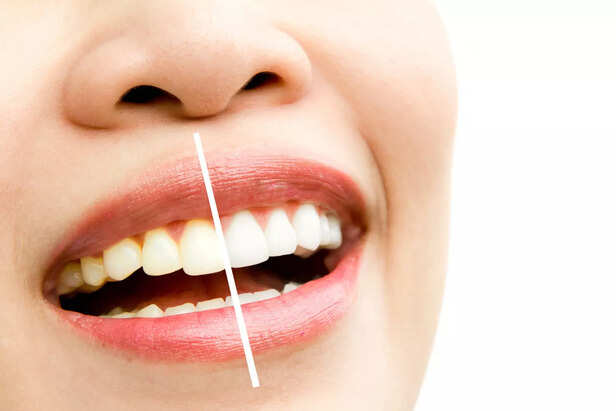
Over whitening does not always show up immediately. Many people ignore early warning signs. Tooth sensitivity is one of the first signs. If cold drinks, hot tea, or even air cause discomfort, enamel may be thinning.
Gum irritation or burning sensations can happen when whitening substances touch soft tissue. This is common with peroxide or acidic ingredients. Teeth may start to look uneven in color. White patches or translucent edges indicate enamel damage. Another sign is teeth staining faster than before. Once enamel is worn down, stains settle more easily, making whitening less effective over time. If you notice any of these signs, stop whitening immediately and focus on protecting your teeth.
Dentist Approved Tips to Protect Enamel While Whitening
Protect Your Teeth
Image credit : Freepik
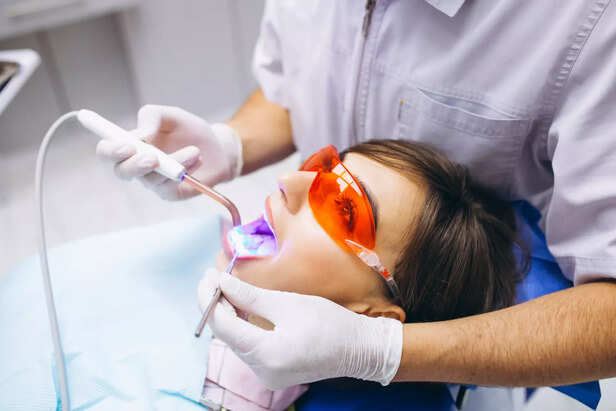
After using any teeth-whitening technique, always rinse your mouth with water. This aids in residue removal and acid neutralization. If you are going to use acidic products, wait at least half an hour before brushing. More enamel wear may result from brushing right away. Apply light pressure and a toothbrush with soft bristles. Hard brushing merely erodes enamel and does not speed up whitening. After consuming meals that cause stains, drink water. This lessens accumulation and the frequency of whitening procedures. Above all, pay attention to your teeth. Stop when you experience pain, sensitivity, or discomfort.
How Often You Can Safely Whiten Teeth at Home
Discover expert advice and the latest updates in Skin Care, Hair Care, Wellness, Dermatology, and more at Stay Young guide to lasting beauty and holistic health!
Frequently Asked Question (FAQs)
DIY whitening is not safe for everyone. People with sensitive teeth, weak enamel, gum problems, or dental work like crowns should avoid it without professional advice.
2. How often should I whiten my teeth at home?
Whitening should be done occasionally, not regularly. Frequent whitening can wear down enamel and increase sensitivity over time.
3. Can natural ingredients like lemon or baking soda damage teeth?
Yes. Acidic and abrasive ingredients can slowly erode enamel, even if they appear harmless or natural.
4. Why do my teeth feel more sensitive after whitening?
Sensitivity usually means enamel thinning or gum irritation. This is a warning sign that whitening methods are too harsh or overused.
5. When should I stop whitening and see a dentist?
Stop immediately if you notice pain, sensitivity, uneven color, or gum irritation. A dentist can prevent further damage and suggest safer options.