
Why Your Teeth and Gums Need Extra Care During Monsoon
Areeba Ayub | Aug 19, 2026, 23:11 IST

Monsoon Dental Care
Image credit : freepik
The monsoon season can affect more than your skin and hair. Changes in weather, humidity, eating habits, and daily routines can also influence oral health. During the rainy season, some people may notice increased tooth sensitivity, gum discomfort, bad breath, or other dental concerns.A few simple habits can help keep your teeth and gums clean, healthy, and protected throughout the monsoon.
Rainy days often change our daily routines. We may drink more warm beverages, snack more often, spend more time indoors, or pay less attention to regular oral care.
At the same time, humidity and changes in food and lifestyle can create conditions that make oral hygiene even more important. Your teeth and gums need consistent care in every season, and monsoon is a good time to pay extra attention to your dental routine.
![Healthy Teeth and Gums]()
The rainy season can bring changes in humidity, temperature, diet, and daily habits.
These changes may contribute to:
Your gums are an important part of your oral health. When plaque builds up around the gumline, it can cause irritation and inflammation.
Watch for signs such as:
![Monsoon Snacks and Oral Health]()
Monsoon often brings cravings for snacks, fried foods, sweets, and hot drinks.
Frequent sugary or sticky foods can increase the risk of plaque buildup and tooth decay.
You do not have to avoid every seasonal treat, but maintaining balance and cleaning your teeth properly afterward can help protect your smile.
Water is important for your entire body, including your mouth.
Drinking enough water helps wash away food particles and supports normal saliva production. Saliva naturally helps protect the teeth by reducing the effects of acids in the mouth.
Keep water available throughout the day, even when the weather feels cool.
![Clean Toothbrush Care]()
Your toothbrush needs proper care too.
After brushing:
Rainy weather can make it tempting to stay in bed or change your normal routine, but brushing should remain consistent.
Brush your teeth twice a day using fluoride toothpaste. Cleaning between your teeth is also important because a toothbrush cannot reach every area.
![Tooth Sensitivity Care]()
Temperature changes can sometimes make sensitive teeth uncomfortable.
If you regularly experience sensitivity when eating or drinking something hot or cold, do not ignore it. Tooth sensitivity can have several causes and may need professional evaluation.
Choosing moderate temperatures and maintaining good oral hygiene can help reduce discomfort.
Bad breath can become more noticeable when bacteria, food particles, or plaque build up in the mouth.
Regular brushing, cleaning between the teeth, drinking enough water, and cleaning the tongue can help maintain fresher breath.
If bad breath continues despite good oral hygiene, speak with a dentist.
![Dental Check-Up]()
Do not wait for severe pain before seeking dental care.
Consider seeing a dentist if you notice:
Simple
Keep your oral care routine simple and consistent:
Your smile deserves care in every season. A few minutes of attention each day can go a long way toward maintaining healthy teeth, comfortable gums, and better oral health.\
Discover expert advice and the latest updates in Skin Care, Hair Care, Wellness, Dermatology, and more at Stay Young guide to lasting beauty and holistic health!
At the same time, humidity and changes in food and lifestyle can create conditions that make oral hygiene even more important. Your teeth and gums need consistent care in every season, and monsoon is a good time to pay extra attention to your dental routine.
Why Monsoon Can Affect Oral Health

Healthy Teeth and Gums
Image credit : freepik
The rainy season can bring changes in humidity, temperature, diet, and daily habits.
These changes may contribute to:
- Plaque buildup
- Bad breath
- Gum irritation
- Tooth sensitivity
- Increased dental discomfort
Gum Health Should Not Be Ignored
Your gums are an important part of your oral health. When plaque builds up around the gumline, it can cause irritation and inflammation.
Watch for signs such as:
- Red or swollen gums
- Bleeding while brushing
- Gum tenderness
- Persistent bad breath
Rainy Weather Can Change Your Eating Habits

Monsoon Snacks and Oral Health
Image credit : freepik
Monsoon often brings cravings for snacks, fried foods, sweets, and hot drinks.
Frequent sugary or sticky foods can increase the risk of plaque buildup and tooth decay.
You do not have to avoid every seasonal treat, but maintaining balance and cleaning your teeth properly afterward can help protect your smile.
Do Not Forget to Drink Water
Water is important for your entire body, including your mouth.
Drinking enough water helps wash away food particles and supports normal saliva production. Saliva naturally helps protect the teeth by reducing the effects of acids in the mouth.
Keep water available throughout the day, even when the weather feels cool.
Keep Your Toothbrush Clean and Dry
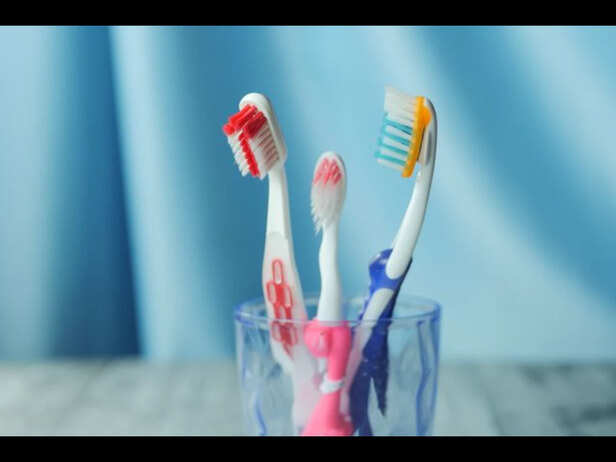
Clean Toothbrush Care
Image credit : pexels
Your toothbrush needs proper care too.
After brushing:
- Rinse it thoroughly
- Store it upright
- Allow it to air dry
- Avoid covering it while it is still wet
- Replace it when the bristles become worn
Do Not Skip Your Regular Brushing Routine
Rainy weather can make it tempting to stay in bed or change your normal routine, but brushing should remain consistent.
Brush your teeth twice a day using fluoride toothpaste. Cleaning between your teeth is also important because a toothbrush cannot reach every area.
Be Careful With Very Hot and Very Cold Foods

Tooth Sensitivity Care
Image credit : pexel
Temperature changes can sometimes make sensitive teeth uncomfortable.
If you regularly experience sensitivity when eating or drinking something hot or cold, do not ignore it. Tooth sensitivity can have several causes and may need professional evaluation.
Choosing moderate temperatures and maintaining good oral hygiene can help reduce discomfort.
Bad Breath May Be a Warning Sign
Bad breath can become more noticeable when bacteria, food particles, or plaque build up in the mouth.
Regular brushing, cleaning between the teeth, drinking enough water, and cleaning the tongue can help maintain fresher breath.
If bad breath continues despite good oral hygiene, speak with a dentist.
When Should You Visit a Dentist?
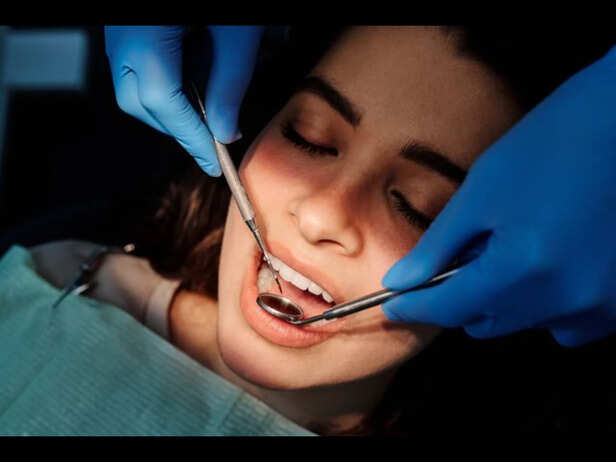
Dental Check-Up
Image credit : pexels
Do not wait for severe pain before seeking dental care.
Consider seeing a dentist if you notice:
- Persistent toothache
- Bleeding gums
- Swelling
- Ongoing sensitivity
- Persistent bad breath
- Pain while chewing
Simple Monsoon Dental Care Tips
Keep your oral care routine simple and consistent:
- Brush twice a day
- Clean between your teeth daily
- Clean your tongue
- Drink enough water
- Limit frequent sugary snacks
- Keep your toothbrush clean and dry
- Avoid sharing toothbrushes
- Visit your dentist when needed
Your smile deserves care in every season. A few minutes of attention each day can go a long way toward maintaining healthy teeth, comfortable gums, and better oral health.\
Discover expert advice and the latest updates in Skin Care, Hair Care, Wellness, Dermatology, and more at Stay Young guide to lasting beauty and holistic health!