
20 Skin Secrets Dermatologists Notice in Seconds
Noopur Kumari | Jul 01, 2026, 09:00 IST

Skin Secrets Dermatologists
Image credit : freepik
Your skin is more than just your body's outer layer it's a reflection of your daily choices and overall health. Dermatologists are trained to recognise subtle patterns that reveal everything from sun exposure and skincare mistakes to stress and sleep habits. While these signs don't always point to a medical condition, they help doctors understand what your skin has been experiencing. Here are some of the most common clues dermatologists notice and what they may reveal about your everyday routine.
Have you ever wondered how a dermatologist seems to know so much about your lifestyle before asking a single question? It may feel like they're reading your mind, but they're actually reading your skin. Every dry patch, stubborn breakout, uneven tan, or tiny scar tells a story. Your skin quietly records your daily habits, stress levels, skincare routine, and even how much time you spend outdoors. What seems like an ordinary blemish to you could be an important clue to a trained expert.
![Dermatologist Examining Sun Damage on Facial Skin]()
One of the first things dermatologists check is how your skin has responded to the sun over time. Fine lines, dark spots, rough texture, and uneven pigmentation on the face, neck, hands, and chest often suggest frequent UV exposure. Even if you rarely get sunburned, skipping sunscreen can leave long-term signs. These changes develop gradually, making them easy to overlook until they become more noticeable during a professional skin examination.
![Close-Up of Acne Marks and Healing Skin]()
Many people pick at pimples without realising how much damage it causes. Dermatologists can often identify this habit through small wounds, scabs, uneven scars, and lingering dark marks. Picking delays healing, increases the risk of infection, and may leave permanent scars. Instead of squeezing blemishes, allowing them to heal naturally or seeking professional treatment helps protect your skin's long-term appearance.
A complicated skincare routine isn't always better. Redness, peeling, tightness, and burning sensations often indicate that your skin barrier has become irritated. Dermatologists frequently see these signs in people who overuse exfoliants, retinol, acids, or multiple active ingredients together. Healthy skin depends on balance. Sometimes, simplifying your routine is the fastest way to restore your skin's natural protective barrier.
Your skin and mind are closely connected. During periods of stress, many people experience acne breakouts, eczema flare-ups, hives, or worsening psoriasis. Dermatologists cannot diagnose stress simply by looking at your face, but recurring patterns often encourage them to ask about emotional wellbeing. Managing stress through proper sleep, exercise, mindfulness, and healthy habits can benefit both your mental health and your skin.
Believe it or not, your favourite sleeping position can leave subtle signs on your face. Sleeping on the same side every night may contribute to pressure lines, mild irritation, and uneven skin texture. Dermatologists sometimes notice these differences between both sides of the face. While sleeping habits aren't harmful by themselves, using a clean pillowcase and changing positions occasionally may help minimise long-term pressure-related changes.
Even if you don't spend weekends at the beach, daily outdoor exposure leaves visible signs. Dermatologists may notice freckles, sunspots, uneven tanning, or rougher skin on areas that receive the most sunlight, including the nose, ears, forearms, and hands. These changes highlight the importance of daily sun protection, even during routine activities such as commuting, walking, or exercising outside.
Healthy skin is rarely the result of expensive products alone. Consistent sunscreen use, gentle cleansing, quality sleep, balanced nutrition, hydration, and stress management all contribute to stronger skin over time. Dermatologists often encourage small, sustainable habits rather than quick fixes. Your skin constantly reflects how you care for your body, making everyday choices far more important than occasional treatments.
Discover expert advice and the latest updates in Skin Care, Hair Care, Wellness, Dermatology, and more at Stay Young guide to lasting beauty and holistic health!
Sun Damage Leaves Clues You Can't Always See

Dermatologist Examining Sun Damage on Facial Skin
Image credit : freepik
One of the first things dermatologists check is how your skin has responded to the sun over time. Fine lines, dark spots, rough texture, and uneven pigmentation on the face, neck, hands, and chest often suggest frequent UV exposure. Even if you rarely get sunburned, skipping sunscreen can leave long-term signs. These changes develop gradually, making them easy to overlook until they become more noticeable during a professional skin examination.
Your Skin Remembers Every Time You Pick at It
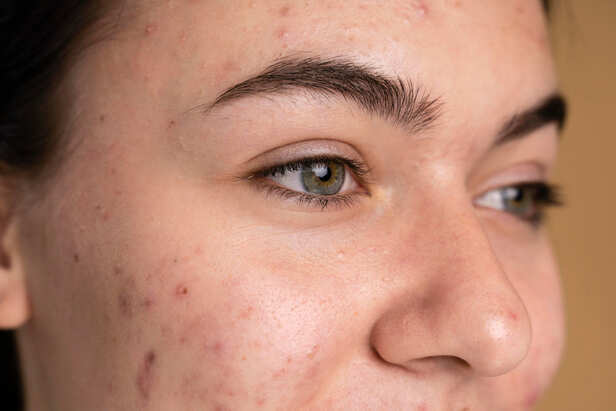
Close-Up of Acne Marks and Healing Skin
Image credit : freepik
Many people pick at pimples without realising how much damage it causes. Dermatologists can often identify this habit through small wounds, scabs, uneven scars, and lingering dark marks. Picking delays healing, increases the risk of infection, and may leave permanent scars. Instead of squeezing blemishes, allowing them to heal naturally or seeking professional treatment helps protect your skin's long-term appearance.
Too Many Products Can Harm Your Skin Barrier
Stress Often Shows Up on Your Face First
Your Sleeping Position Can Leave Lasting Marks
Outdoor Time Is Written Across Your Skin
Healthy Skin Reflects Healthy Daily Habits
Discover expert advice and the latest updates in Skin Care, Hair Care, Wellness, Dermatology, and more at Stay Young guide to lasting beauty and holistic health!