The latest skincare trend is not always a cream or serum. Skin boosters are increasingly being discussed as a professional treatment for people who want hydrated, smoother and fresher-looking skin. Unlike traditional dermal fillers, their main purpose is generally to improve skin quality rather than add significant volume or reshape facial features. Depending on the product and technique used, skin boosters may help with hydration, texture and the appearance of fine lines. But before booking one because of a viral before-and-after photo, it is important to understand what the treatment can actually do.
Skin Boosters Are Not the Same as Dermal Fillers
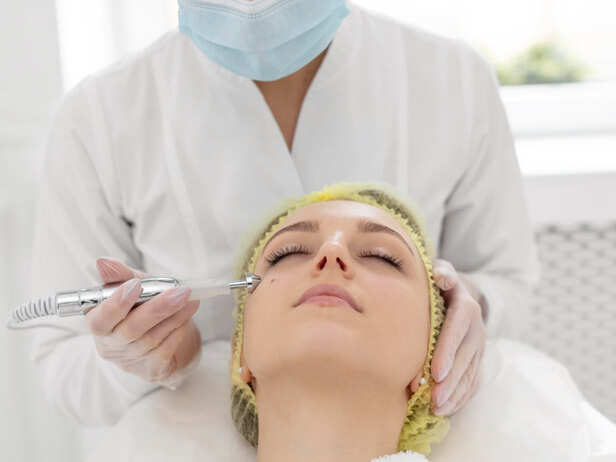
![Skin Boosters and Fillers Aren't the Same Thing]()
Skin Boosters and Fillers Aren't the Same Thing
Image credit : FreePik
Fillers add volume to cheeks, lips, or jawline, while boosters focus on skin quality itself. Confusing the two means picking the wrong treatment for your actual concern.
The names can be confusing because both treatments involve injections. Traditional dermal fillers are primarily used to restore or add volume in areas such as the cheeks, lips or jawline. Skin boosters, on the other hand, are generally designed to improve the quality and appearance of the skin. Many products use hyaluronic acid or other substances intended to improve hydration and skin texture. The exact effects depend on the product, injection technique and individual skin concerns. That means “skin booster” is not one single treatment with identical results for everyone.
Hydration Is One of the Main Goals
Some skin boosters are designed to increase hydration within the treated skin. Better hydration can make skin appear smoother, softer and more radiant. This does not mean an injection can permanently replace your daily moisturiser or water intake. The treatment is targeted at the skin itself and is intended to improve its appearance over time. People with dry or dull-looking skin may therefore be interested in skin boosters, but the treatment should be considered an optional cosmetic procedure rather than a basic requirement for healthy skin.
They May Improve Skin Texture
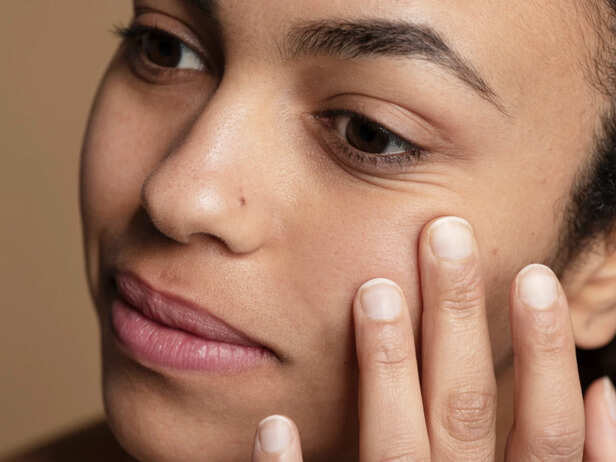
![Skin Boosters Can Soften Fine Lines]()
Skin Boosters Can Soften Fine Lines
Image credit : FreePik
Better hydration can make small lines look less noticeable over time. They won't erase deep wrinkles or severe scarring, so matching the treatment to the problem matters.
Certain skin boosters may also be used to improve the appearance of fine lines and uneven texture. When the skin becomes better hydrated and its quality improves, small lines may appear less noticeable. However, results vary. Skin boosters are not designed to completely erase deep wrinkles, severe acne scars or significant sagging. If your primary concern is deep scarring or major skin laxity, another dermatology procedure may be more appropriate. A consultation can help identify which treatment actually matches the problem.
Results Are Usually Gradual
One reason skin boosters appeal to people is that the goal is often a subtle improvement rather than a dramatic transformation. Depending on the treatment, results may develop over several weeks and may require more than one session. Some treatments also need maintenance sessions to preserve the effect. Do not judge the final result immediately after an appointment. Temporary swelling, redness or small bumps can occur after injections and may take time to settle.
There Can Be Side Effects
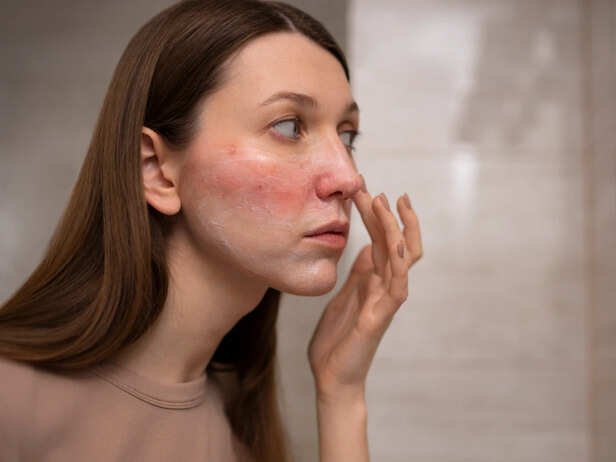
![Skin Boosters Carry Real Injection Risks]()
Skin Boosters Carry Real Injection Risks
Image credit : FreePik
Redness, swelling, and bruising are common short-term effects after treatment. More serious complications are possible too, which is why a qualified professional matters as much as the product.
Skin boosters are still injectable cosmetic procedures, so they are not completely risk-free. Common short-term effects can include redness, swelling, tenderness, bruising or small raised areas around injection sites. More serious complications are possible with injectable treatments, particularly if the product is injected incorrectly or enters a blood vessel. This is why the person performing the procedure matters as much as the product itself. Cosmetic injections should be performed by an appropriately qualified medical professional with relevant experience.
Your Skin Type and Concerns Matter
A treatment that works well for one person may not be appropriate for another. Your skin condition, allergies, medical history, previous procedures and the specific concern you want to address should all be considered. If you have active skin inflammation, infection or another untreated skin problem, a cosmetic injectable procedure may need to be delayed. A proper consultation should happen before treatment rather than simply booking a procedure based on a promotional offer.
Do Not Chase an Instant Glass Skin Effect
Social media can make skin boosters look like a shortcut to flawless, poreless skin. Real skin does not work that way. Skin boosters may improve hydration and create a smoother or fresher appearance, but they cannot remove pores or completely transform your natural skin texture. Your expectations matter. A good cosmetic treatment should aim for a realistic improvement rather than promising perfection.
Ask These Questions Before Booking
Before getting a skin booster, ask what exact product will be used, who will perform the procedure and what results are realistic for your skin. You should also ask about possible side effects, aftercare, the number of sessions recommended and what happens if you experience a complication. Be cautious if someone promises dramatic results, pressures you to book immediately or refuses to explain the product being injected.
Good Skin Still Starts With the Basics
A skin booster cannot replace sunscreen, gentle skincare, adequate moisturising or healthy lifestyle habits. These basics remain important whether or not you choose a cosmetic procedure. If your goal is healthier-looking skin, start by addressing everyday factors such as sun exposure, irritation and poor skin-barrier care. A professional procedure can then be considered as an additional option for a specific concern.
Know What You Are Paying For
Skin boosters can be useful for selected people who want to improve hydration, texture or overall skin quality. But they are not a universal solution and should not be confused with fillers or marketed as a shortcut to perfect skin. Before getting the treatment, focus less on the trend and more on your actual skin concern. A qualified dermatologist or appropriately trained medical professional can help you decide whether a skin booster makes sense for your goals.
Discover expert advice and the latest updates in
Skin Care,
Hair Care,
Wellness,
Dermatology, and more at
Stay Young guide to lasting beauty and holistic health.