
You’re Treating Pimples Wrong Dermatologists Warn About This Mistake
Vaishnavi Mall | Feb 17, 2026, 10:00 IST

pimple on face
Image credit : Freepik
Many people think that utilizing harsher products or experimenting with every new skincare fad will solve their pimples. According to dermatologists, this method frequently exacerbates acne. The most frequent errors people make when treating pimples are explained in this article, along with the reasons why these practices impede healing. The essay explains what genuinely damages your skin, from excessive product use to disregarding lifestyle choices like stress and nutrition. It also outlines easy, doable adjustments that will eventually lessen breakouts and safeguard the health of your skin.
At any age, pimples may be annoying. Most individuals panic when they show up and try everything that promises immediate results. Common reactions include harsh face cleansers, strong lotions, frequent cleaning, and even popping pimples. Dermatologists regrettably caution that these behaviors are frequently the cause of acne's failure to improve. Inappropriate pimple treatment can weaken your skin's protective layer, cause inflammation, and result in dark spots or scars. Aggressive therapy is not the goal of clear skin. It all comes down to knowing what your skin requires and avoiding common blunders that gradually exacerbate outbreaks.
![Acne Products Makes]()
Using too many acne products at once is one of the major blunders people make. In an attempt to achieve quicker results, face cleansers, serums, masks, spot treatments, and home cures are frequently combined. According to dermatologists, this overburden affects the skin's natural barrier and causes confusion. The skin barrier becomes irritated and loses moisture when it is damaged. To defend itself, the skin responds by producing more oil. More pimples result from the clogged pores caused by this excess oil. Acne gets more obstinate rather than better. Numerous factors, including excess oil, clogged pores, bacteria, hormones, and inflammation, can contribute to acne. Without direction, treating them all at once frequently backfires. A straightforward regimen that emphasizes light hydration, gentle washing, and a single targeted treatment is more effective than utilizing every product on the market..
![Popping Pimples]()
The majority of people have experienced pimples at some point. It is alluring, particularly when the zit appears to be about to pop. Because it does more harm than good, dermatologists highly advise against this habit. Squeezing a pimple causes oil and bacteria to be forced deeper into the skin rather than emerge cleanly. This prolongs the pimple's duration and causes more swelling and redness. Additionally, it increases the possibility of dark spots and persistent scars that may take months to go away. Because the pressure itself damages the skin, even clean hands cannot stop damage. What appears to be a minor zit today may develop into a painful scar tomorrow. Pimples can cure on their own without causing permanent harm if you leave them alone or use an approved spot treatment.
Many people scrub harder and wash their faces more frequently because they think acne indicates filthy skin. Common choices include frequent exfoliation, strong scrubs, and alcohol-based toners. According to dermatologists, these products frequently exacerbate acne.
The natural oils that protect the skin are removed by harsh products. The skin becomes sensitive and irritated after this defense is removed. Skin irritation increases the likelihood of breakouts and adverse reactions to even modest products. Existing pimples are also difficult to heal when the skin barrier is compromised. The skin feels tight or scratchy, the redness gets worse, and fresh breakouts show up. The skin remains calm and balanced with the use of gentle cleansers, modest exfoliation once or twice a week, and moisturizers that are kind to the skin's barrier.
![Acne Marks Darker]()
Because they believe it may clog pores or worsen breakouts, many people with acne avoid wearing sunscreen. Dermatologists clarify that omitting sunscreen is a grave error, particularly for skin that is prone to acne. Acne scars become darker and take longer to heal when exposed to the sun. Although pimples may go away, the black stains they leave behind get darker and more persistent. This frequently gives the impression that acne never really goes away. Modern sunscreens are available in lightweight, non-comedogenic formulas that do not block pores. Applying sunscreen on a daily basis promotes general skin healing, prevents dark spots, and protects healing skin.
Self-treatment may not be sufficient for pimples that are painful, extensive, or leave scars. Dermatologists are able to pinpoint the precise form of acne and suggest therapies based on your skin type and way of life. Expert advice helps prevent needless harm and saves time and money on products that require trial and error. Additionally, early treatment boosts skin confidence and lowers the chance of permanent marks.
Discover expert advice and the latest updates in Skin Care, Hair Care, Wellness, Dermatology, and more at Stay Young guide to lasting beauty and holistic health!
1. Why do my pimples get worse even after using acne products?
Using too many products or harsh treatments can damage the skin barrier. When the skin gets irritated, it produces more oil, which leads to more breakouts instead of clear skin.
2. Is popping pimples really that harmful?
Yes. Popping pimples pushes bacteria deeper into the skin and increases inflammation. This can cause scars, dark spots, and slower healing.
3. How often should I wash my face if I have pimples?
Washing your face twice a day is enough. Washing too often can dry out the skin and trigger excess oil production, which may worsen acne.
4. Can stress and diet really cause face pimples?
Yes. Stress, lack of sleep, sugary foods, and processed diets can increase oil production and inflammation, leading to more pimples.
5. Should I use sunscreen if I have acne-prone skin?
Absolutely. Sunscreen helps prevent dark spots and speeds up skin healing. Choose a lightweight, non-comedogenic sunscreen made for acne-prone skin.
Over-Treating Instead of Targeting the Real Cause
Acne Products Makes
Image credit : Freepik
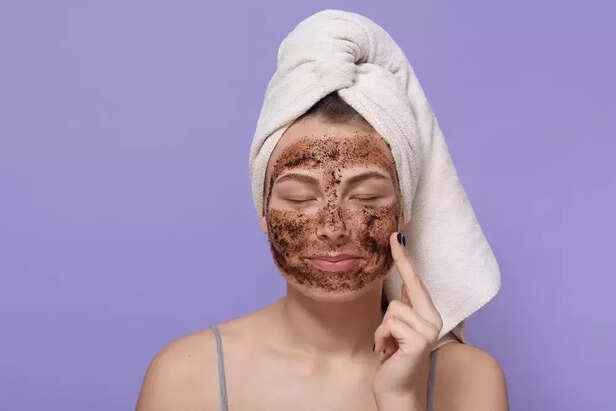
Using too many acne products at once is one of the major blunders people make. In an attempt to achieve quicker results, face cleansers, serums, masks, spot treatments, and home cures are frequently combined. According to dermatologists, this overburden affects the skin's natural barrier and causes confusion. The skin barrier becomes irritated and loses moisture when it is damaged. To defend itself, the skin responds by producing more oil. More pimples result from the clogged pores caused by this excess oil. Acne gets more obstinate rather than better. Numerous factors, including excess oil, clogged pores, bacteria, hormones, and inflammation, can contribute to acne. Without direction, treating them all at once frequently backfires. A straightforward regimen that emphasizes light hydration, gentle washing, and a single targeted treatment is more effective than utilizing every product on the market..
Popping Pimples Is the Most Common and Costly Error
Popping Pimples
Image credit : Freepik
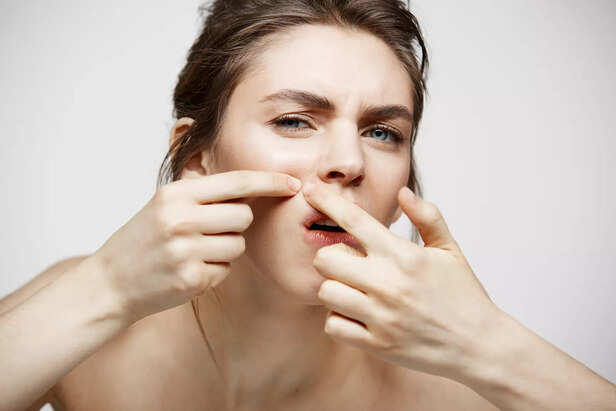
The majority of people have experienced pimples at some point. It is alluring, particularly when the zit appears to be about to pop. Because it does more harm than good, dermatologists highly advise against this habit. Squeezing a pimple causes oil and bacteria to be forced deeper into the skin rather than emerge cleanly. This prolongs the pimple's duration and causes more swelling and redness. Additionally, it increases the possibility of dark spots and persistent scars that may take months to go away. Because the pressure itself damages the skin, even clean hands cannot stop damage. What appears to be a minor zit today may develop into a painful scar tomorrow. Pimples can cure on their own without causing permanent harm if you leave them alone or use an approved spot treatment.
Using Harsh Products That Damage the Skin Barrier
The natural oils that protect the skin are removed by harsh products. The skin becomes sensitive and irritated after this defense is removed. Skin irritation increases the likelihood of breakouts and adverse reactions to even modest products. Existing pimples are also difficult to heal when the skin barrier is compromised. The skin feels tight or scratchy, the redness gets worse, and fresh breakouts show up. The skin remains calm and balanced with the use of gentle cleansers, modest exfoliation once or twice a week, and moisturizers that are kind to the skin's barrier.
Skipping Sunscreen Makes Acne Marks Worse
Acne Marks Darker
Image credit : Freepik
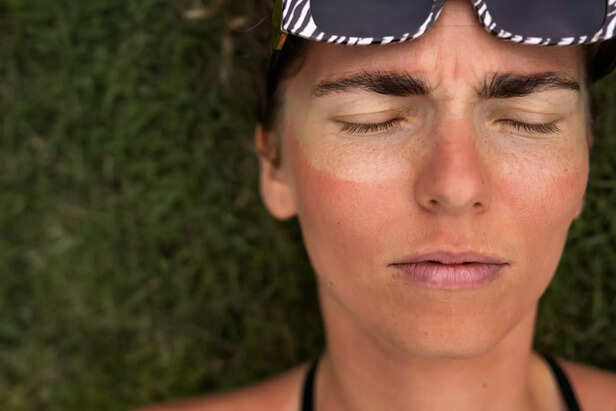
Because they believe it may clog pores or worsen breakouts, many people with acne avoid wearing sunscreen. Dermatologists clarify that omitting sunscreen is a grave error, particularly for skin that is prone to acne. Acne scars become darker and take longer to heal when exposed to the sun. Although pimples may go away, the black stains they leave behind get darker and more persistent. This frequently gives the impression that acne never really goes away. Modern sunscreens are available in lightweight, non-comedogenic formulas that do not block pores. Applying sunscreen on a daily basis promotes general skin healing, prevents dark spots, and protects healing skin.
When to Seek Professional Help
Discover expert advice and the latest updates in Skin Care, Hair Care, Wellness, Dermatology, and more at Stay Young guide to lasting beauty and holistic health!
Frequently Asked Questions (FAQs)
Using too many products or harsh treatments can damage the skin barrier. When the skin gets irritated, it produces more oil, which leads to more breakouts instead of clear skin.
2. Is popping pimples really that harmful?
Yes. Popping pimples pushes bacteria deeper into the skin and increases inflammation. This can cause scars, dark spots, and slower healing.
3. How often should I wash my face if I have pimples?
Washing your face twice a day is enough. Washing too often can dry out the skin and trigger excess oil production, which may worsen acne.
4. Can stress and diet really cause face pimples?
Yes. Stress, lack of sleep, sugary foods, and processed diets can increase oil production and inflammation, leading to more pimples.
5. Should I use sunscreen if I have acne-prone skin?
Absolutely. Sunscreen helps prevent dark spots and speeds up skin healing. Choose a lightweight, non-comedogenic sunscreen made for acne-prone skin.