
5 Coconut Oil Mistakes That Could Affect Your Hair
Noopur Kumari | Aug 20, 2026, 11:27 IST

Coconut Oil Mistakes
Image credit : FREEPIK
Coconut oil is already a hair-care favourite, but what happens when you pair it with the right natural ingredients? From rosemary to hibiscus, these five combinations may help support healthier hair and a better scalp-care routine.
Coconut oil has been a familiar part of hair care for generations, but using it alone is not the only option. Some people combine it with ingredients such as aloe vera, rosemary, hibiscus, fenugreek and curry leaves to create simple hair-care treatments at home. The interesting part is that these ingredients may offer different benefits, from conditioning the hair to supporting a healthier scalp. However, there is an important catch: healthy-looking hair and faster hair growth are not always the same thing. Coconut oil has evidence for reducing protein loss from hair, while research on several popular herbal ingredients is still developing.
![Coconut Oil + Aloe Vera]()
Aloe vera is widely used in personal care because of its soothing and moisturising properties. When combined with coconut oil, it can make a simple treatment for dry-feeling hair and scalp. Mix fresh aloe vera gel with coconut oil and apply a small amount to the scalp and hair lengths. Leave it for around 20 to 30 minutes before washing. This combination is better viewed as a conditioning and scalp-care option rather than a proven hair-growth treatment. If your scalp is sensitive, test a small area first and stop if irritation occurs.
![Coconut Oil + Rosemary]()
This combination has one of the more interesting research stories behind it. A randomized study involving people with androgenetic alopecia found that rosemary oil was associated with increased hair count after six months of use. The study did not show a significant improvement at three months, suggesting that patience matters when evaluating hair-growth approaches. If using rosemary essential oil, it should be diluted rather than applied directly to the scalp. Mix a few drops into a suitable amount of coconut oil, massage gently and wash afterward. Stop if burning or irritation develops.
Hibiscus has long been associated with traditional Ayurvedic hair care, making it a popular ingredient in homemade hair masks. Its flowers and leaves contain plant compounds that have attracted interest for hair and scalp care, although strong human evidence for actual hair regrowth is limited. To try this traditional combination, make a smooth hibiscus paste and mix it with coconut oil. Apply it mainly to the scalp and hair lengths, leave it briefly and rinse thoroughly. The realistic goal is healthier-feeling, conditioned hair rather than expecting dramatic new growth overnight.
Fenugreek seeds are another traditional ingredient often used in Indian hair-care routines. They contain compounds including protein and other nutrients, but that does not mean applying fenugreek directly to the scalp will automatically increase hair growth. For a simple home treatment, soak the seeds overnight, grind them into a paste and combine the paste with coconut oil. Apply it to the scalp and hair, then wash thoroughly. This combination may help make hair feel softer and more manageable, while coconut oil itself has evidence for reducing protein loss from the hair shaft.
Curry leaves are a familiar ingredient in traditional Indian hair care and contain antioxidants and micronutrients. However, research specifically proving that curry leaves can stimulate human hair growth remains limited. To prepare a traditional oil, gently heat curry leaves in coconut oil until the leaves darken slightly. Allow the mixture to cool completely and strain it before application. Massage a small amount onto the scalp and hair. Think of this as a traditional conditioning ritual rather than a guaranteed solution for hair loss. Persistent or sudden hair shedding deserves proper medical evaluation.
The strongest point in this list may actually be coconut oil itself. Research has found that coconut oil can reduce protein loss from both damaged and undamaged hair, which may help explain why it has remained popular as a pre-wash or grooming oil. But protecting the hair shaft is different from stimulating new follicles. If someone is experiencing significant thinning, bald patches or persistent shedding, simply adding herbs to coconut oil may not address the underlying cause. Hair loss can have many causes, and the right treatment depends on identifying what is driving it.
The biggest mistake is assuming that a natural mixture must automatically be safe or effective. Essential oils can irritate the scalp when used incorrectly, while heavy oiling may not suit everyone. Avoid applying undiluted rosemary essential oil directly to the scalp, and patch-test new ingredients before using them widely. Most importantly, do not judge a hair-growth routine after just a few days. Research on rosemary oil has shown changes only after months rather than immediately. A simple, consistent routine is more sensible than constantly switching between homemade treatments.
Discover expert advice and the latest updates in Skin Care, Hair Care, Wellness, Dermatology, and more at Stay Young guide to lasting beauty and holistic health!
Coconut Oil + Aloe Vera
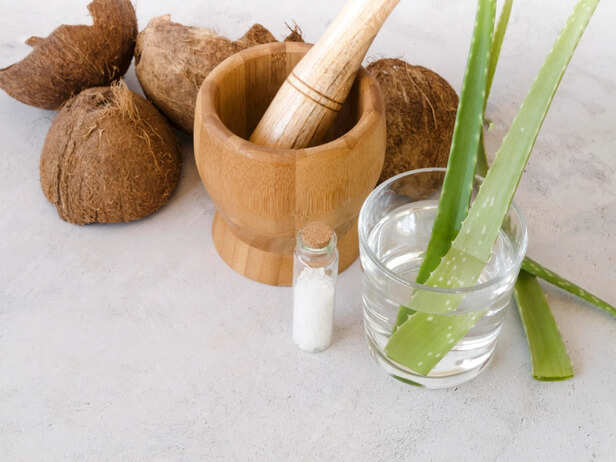
Coconut Oil + Aloe Vera
Image credit : FREEPIK
Aloe vera is widely used in personal care because of its soothing and moisturising properties. When combined with coconut oil, it can make a simple treatment for dry-feeling hair and scalp. Mix fresh aloe vera gel with coconut oil and apply a small amount to the scalp and hair lengths. Leave it for around 20 to 30 minutes before washing. This combination is better viewed as a conditioning and scalp-care option rather than a proven hair-growth treatment. If your scalp is sensitive, test a small area first and stop if irritation occurs.
Coconut Oil + Rosemary
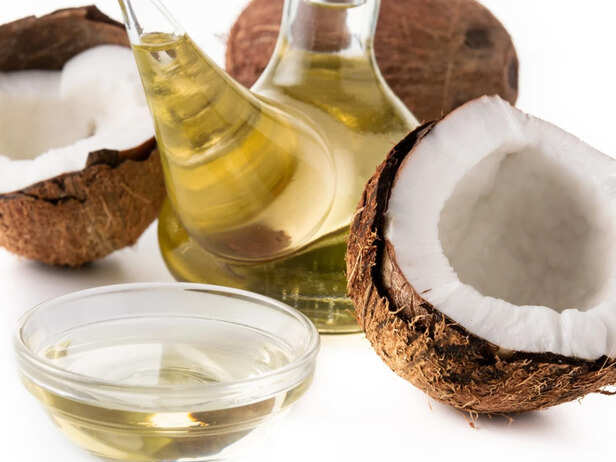
Coconut Oil + Rosemary
Image credit : FREEPIK
This combination has one of the more interesting research stories behind it. A randomized study involving people with androgenetic alopecia found that rosemary oil was associated with increased hair count after six months of use. The study did not show a significant improvement at three months, suggesting that patience matters when evaluating hair-growth approaches. If using rosemary essential oil, it should be diluted rather than applied directly to the scalp. Mix a few drops into a suitable amount of coconut oil, massage gently and wash afterward. Stop if burning or irritation develops.
Coconut Oil + Hibiscus
Coconut Oil + Fenugreek
Coconut Oil + Curry Leaves
Why Coconut Oil Still Matters
The Mistake To Avoid
Discover expert advice and the latest updates in Skin Care, Hair Care, Wellness, Dermatology, and more at Stay Young guide to lasting beauty and holistic health!