
5 Hair Habits That May Be Brushing Away Your Natural Waves and Curls Without You Realising It
Tanvi sharma | Aug 16, 2026, 09:00 IST

Natural Curls and Everyday Hair Habits
Image credit : freepik
Natural waves and curls can lose their shape because of simple hair habits. From dry brushing and rough towel drying to too much heat and tight hairstyles, everyday mistakes may cause frizz and breakage. Learn five common curly hair mistakes and easy ways to protect your natural curls, reduce frizz, and keep your hair looking healthy and defined.
If your natural waves or curls suddenly look less defined, your hair may not be the problem. Your routine could be.
Many people with wavy or curly hair spend time searching for the perfect cream, gel, or serum. But sometimes, the biggest difference comes from changing a few everyday habits. Curly hair is naturally more prone to dryness and breakage. Its bends and curves can make it harder for natural oils to travel down the hair shaft. This is why rough handling can quickly turn defined curls into frizz.
The good news is that you may not need a completely new routine. A few small changes can help your natural pattern show up again.
Here are five habits that could be getting in the way of your waves and curls.
![Why Dry Brushing Can Affect Curls]()
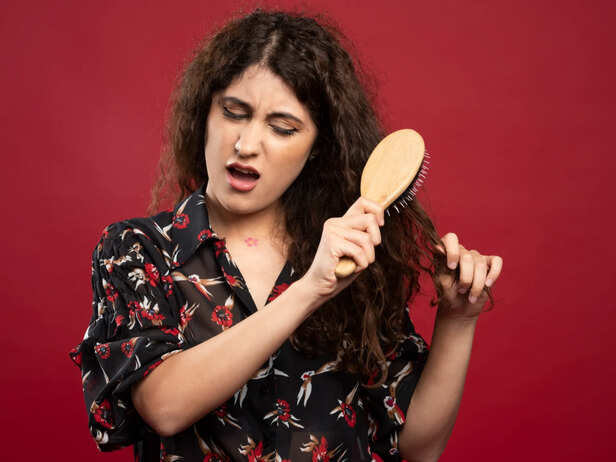
This is one of the most common mistakes with curly hair.
You see a few knots. You pick up a brush. It seems like the easiest fix.
But brushing dry curls can break up your curl pattern. It can also make your hair look bigger and more frizzy. Your curls may lose their shape soon after brushing. The American Academy of Dermatology suggests detangling curly hair when it is wet or damp. It also recommends using a wide tooth comb. This can help reduce hair damage. Try brushing your hair in the shower instead.
Apply your conditioner first. Then gently remove the knots. Start at the ends and move up.
Do not pull hard on a knot.
If your hair is dry between washes, use some water first. You can also use a little leave-in conditioner.
Then gently separate the hair with your fingers.
![Gentle Detangling for Curly Hair]()
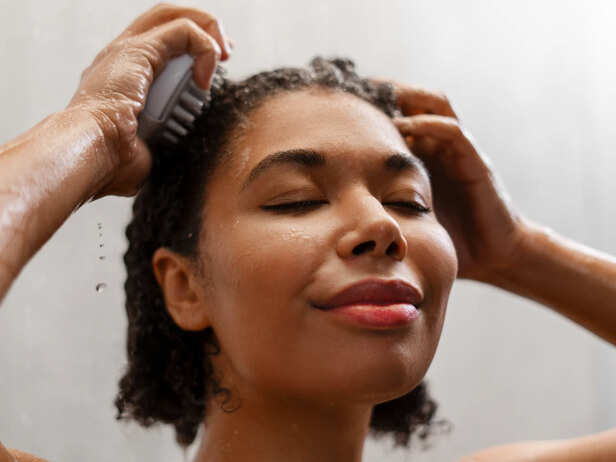
Wet hair is at its most fragile state, so being rough with it can easily lead to breakage. Many people rush through detangling after a shower, which puts stress on the strands and weakens the curl structure.
The better approach is to work slowly and in sections. Apply conditioner generously, then start detangling from the ends and gradually move upward. This reduces pulling and keeps knots from tightening further.
If you feel resistance, don’t force it. Add more slip with water or conditioner and continue gently. Curly hair responds best to patience, not pressure.
![A Gentler Way to Dry Curls]()
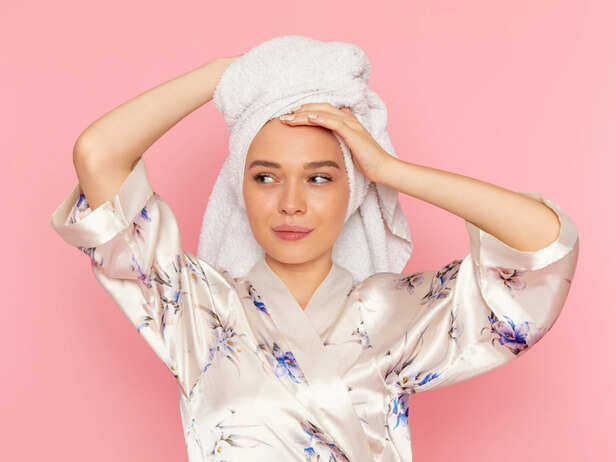
That rough towel rub after a shower may feel harmless. For waves and curls, it can be a recipe for frizz.
Rubbing creates friction between the towel and your hair. It can also disturb curl groups while they are still forming.
Instead of scrubbing your hair, gently squeeze out excess water. You can also use a soft T shirt or microfiber towel. Wrap your hair and let the fabric absorb the moisture. Then apply your styling products while your hair is still damp. This is especially useful for wavy hair. Waves can lose their shape quickly when they are handled too much during drying.
Your goal should be simple: less rubbing, less pulling, and less unnecessary touching.
Straightening your hair can make it look smooth for a day. But frequent heat styling can work against healthy waves and curls.
Flat irons, curling irons, and frequent high heat blow drying can damage the hair shaft. Over time, damaged hair may look rough, dry, and frizzy.
That can make natural curls appear less defined.
The American Academy of Dermatology recommends limiting heat styling and using low or medium heat when possible. This does not mean you can never use a diffuser or blow dryer. If you like diffusing your curls, keep the temperature comfortable. Avoid holding high heat against one section for too long. Give your natural texture more days to shine on its own. You may also notice that your hair needs less styling once you stop constantly trying to change its natural pattern.
Your hair routine does not stop when you go to bed.
If you toss and turn during sleep, your hair can rub against your pillow for hours. This friction can contribute to frizz and breakage.
It can also flatten your curls overnight. The American Academy of Dermatology suggests loose hairstyles such as a pineapple or loose braid to help preserve curls while reducing friction. Satin or silk pillowcases and bonnets can also help reduce friction. You do not need a complicated nighttime routine. Try loosely gathering your curls at the top of your head. Do not tie them tightly.
If your hair is shorter, simply changing your pillowcase may be easier.
The key is to avoid putting your curls under unnecessary tension while you sleep.
You don’t always need new products to improve your curls sometimes you just need to adjust your habits. Avoid brushing dry hair, detangle gently with conditioner, and reduce rough towel drying.
Limiting heat styling and protecting your hair at night can also help your natural texture shine through. These changes may not transform your hair instantly, but over time they can significantly improve curl health and definition.
Every curl type is different, so learning what your hair needs is important. And if you notice sudden dryness or breakage, it may be worth consulting a professional.
Your natural waves and curls are already beautiful. Sometimes, the best way to bring them back is simply to treat them more gently.
Discover expert advice and the latest updates inSkin Care,Hair Care,Wellness,Dermatology, and more atStay Youngguide to lasting beauty and holistic health!
Many people with wavy or curly hair spend time searching for the perfect cream, gel, or serum. But sometimes, the biggest difference comes from changing a few everyday habits. Curly hair is naturally more prone to dryness and breakage. Its bends and curves can make it harder for natural oils to travel down the hair shaft. This is why rough handling can quickly turn defined curls into frizz.
The good news is that you may not need a completely new routine. A few small changes can help your natural pattern show up again.
Here are five habits that could be getting in the way of your waves and curls.
Brushing Your Hair When It Is Completely Dry
Why Dry Brushing Can Affect Curls
Image credit : freepik
This is one of the most common mistakes with curly hair.
You see a few knots. You pick up a brush. It seems like the easiest fix.
But brushing dry curls can break up your curl pattern. It can also make your hair look bigger and more frizzy. Your curls may lose their shape soon after brushing. The American Academy of Dermatology suggests detangling curly hair when it is wet or damp. It also recommends using a wide tooth comb. This can help reduce hair damage. Try brushing your hair in the shower instead.
Apply your conditioner first. Then gently remove the knots. Start at the ends and move up.
Do not pull hard on a knot.
If your hair is dry between washes, use some water first. You can also use a little leave-in conditioner.
Then gently separate the hair with your fingers.
Treating Wet Hair Like It Is Stronger
Gentle Detangling for Curly Hair
Image credit : freepik
Wet hair is at its most fragile state, so being rough with it can easily lead to breakage. Many people rush through detangling after a shower, which puts stress on the strands and weakens the curl structure.
The better approach is to work slowly and in sections. Apply conditioner generously, then start detangling from the ends and gradually move upward. This reduces pulling and keeps knots from tightening further.
If you feel resistance, don’t force it. Add more slip with water or conditioner and continue gently. Curly hair responds best to patience, not pressure.
Rubbing Your Hair Dry With a Towel
A Gentler Way to Dry Curls
Image credit : freepik
That rough towel rub after a shower may feel harmless. For waves and curls, it can be a recipe for frizz.
Rubbing creates friction between the towel and your hair. It can also disturb curl groups while they are still forming.
Instead of scrubbing your hair, gently squeeze out excess water. You can also use a soft T shirt or microfiber towel. Wrap your hair and let the fabric absorb the moisture. Then apply your styling products while your hair is still damp. This is especially useful for wavy hair. Waves can lose their shape quickly when they are handled too much during drying.
Your goal should be simple: less rubbing, less pulling, and less unnecessary touching.
Using Heat Too Often to Make Your Hair Look Better
Straightening your hair can make it look smooth for a day. But frequent heat styling can work against healthy waves and curls.
Flat irons, curling irons, and frequent high heat blow drying can damage the hair shaft. Over time, damaged hair may look rough, dry, and frizzy.
That can make natural curls appear less defined.
The American Academy of Dermatology recommends limiting heat styling and using low or medium heat when possible. This does not mean you can never use a diffuser or blow dryer. If you like diffusing your curls, keep the temperature comfortable. Avoid holding high heat against one section for too long. Give your natural texture more days to shine on its own. You may also notice that your hair needs less styling once you stop constantly trying to change its natural pattern.
Sleeping With Your Curls Loose on a Rough Pillowcase
Your hair routine does not stop when you go to bed.
If you toss and turn during sleep, your hair can rub against your pillow for hours. This friction can contribute to frizz and breakage.
It can also flatten your curls overnight. The American Academy of Dermatology suggests loose hairstyles such as a pineapple or loose braid to help preserve curls while reducing friction. Satin or silk pillowcases and bonnets can also help reduce friction. You do not need a complicated nighttime routine. Try loosely gathering your curls at the top of your head. Do not tie them tightly.
If your hair is shorter, simply changing your pillowcase may be easier.
The key is to avoid putting your curls under unnecessary tension while you sleep.
Your Curls May Need Less Fighting and More Support
You don’t always need new products to improve your curls sometimes you just need to adjust your habits. Avoid brushing dry hair, detangle gently with conditioner, and reduce rough towel drying.
Limiting heat styling and protecting your hair at night can also help your natural texture shine through. These changes may not transform your hair instantly, but over time they can significantly improve curl health and definition.
Every curl type is different, so learning what your hair needs is important. And if you notice sudden dryness or breakage, it may be worth consulting a professional.
Your natural waves and curls are already beautiful. Sometimes, the best way to bring them back is simply to treat them more gently.
Discover expert advice and the latest updates inSkin Care,Hair Care,Wellness,Dermatology, and more atStay Youngguide to lasting beauty and holistic health!