Curry leaves have been part of Indian hair-care routines for generations, but the real question is what you mix them with. Coconut oil, sesame oil, castor oil, almond oil and amla oil are all traditionally used in hair care, each with a different texture and purpose. While these combinations can help condition the hair and reduce dryness or breakage, there is an important truth behind the popular hair-growth claims: no homemade oil has been proven to make hair grow dramatically faster. Research is stronger for reducing hair damage with coconut oil than for proving that traditional oils can directly stimulate new hair growth.
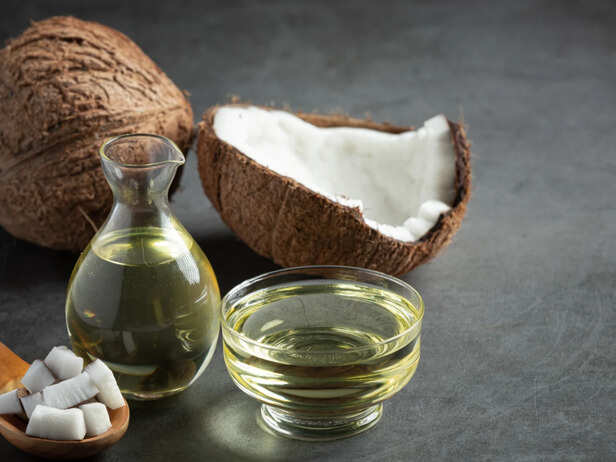
Curry Leaves and Coconut Oil
![Curry Leaves and Coconut Oil]()
Curry Leaves and Coconut Oil
Image credit : freepik
Coconut oil and curry leaves make a classic Indian hair-care combination.
Few combinations are as familiar as curry leaves and coconut oil. Coconut oil has some of the better evidence among commonly used hair oils for protecting the hair shaft from protein loss and grooming-related damage. That can make hair feel stronger and reduce breakage, helping you retain length over time. To prepare it traditionally, gently warm coconut oil with clean curry leaves, allow the mixture to cool, then strain before use. Massage a small amount into the scalp and apply through the lengths. Avoid making the oil excessively hot, as heat can irritate the scalp.
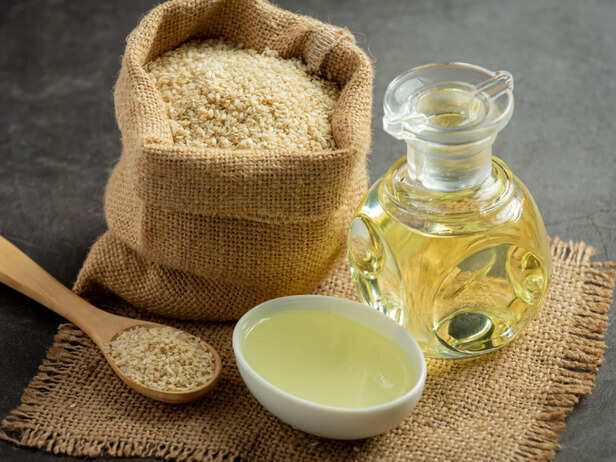
Curry Leaves and Sesame Oil
![Curry leaves simmering gently in sesame oil]()
Curry leaves simmering gently in sesame oil
Image credit : freepik
Sesame oil is traditionally used as a rich base for herbal hair-oil preparations.
Sesame oil has a long history in traditional Indian hair-care practices and works well as a rich base for curry-leaf infusions. The combination can be useful when your main concern is dry-feeling hair and scalp rather than rapid growth. Warm a small quantity of sesame oil with fresh curry leaves over low heat, then let it cool completely before straining. Apply it gently rather than aggressively rubbing the scalp. Traditional oiling can make hair feel smoother and easier to manage, but scientific evidence specifically proving that curry leaves and sesame oil stimulate human hair growth remains limited.
Curry Leaves and Castor Oil
Castor oil is one of the most popular traditional choices for hair because of its thick texture and glossy finish. It can make strands look conditioned, but the claim that castor oil directly causes faster hair growth is not strongly supported by clinical evidence. A recent dermatology review found potential benefits for hair quality but said more research is needed to establish its effectiveness for hair growth. Because castor oil is very thick, mixing a small amount with coconut or sesame oil can make it easier to spread. Use a modest quantity and wash thoroughly afterward.
Curry Leaves and Almond Oil
If thick oils leave your hair feeling heavy, almond oil can be a lighter alternative. Traditionally, it is used to condition dry hair and add softness and shine. When combined with curry leaves, it creates a simple oil treatment that can be worked through the scalp and hair lengths before washing. The main benefit to expect is better-feeling, conditioned hair rather than guaranteed new growth. Hair length is also affected by breakage, so reducing damage can help you retain the hair you already grow. If your scalp is sensitive, test a small amount first and stop if irritation develops.
Curry Leaves and Amla Oil
Amla oil and curry leaves make another familiar combination in traditional Indian hair care. Amla has long been used in herbal hair preparations, while curry leaves are commonly added to homemade oil infusions. The mixture can be used as a pre-wash treatment for the scalp and lengths. However, traditional use should not be confused with strong clinical proof of hair regrowth. Reviews of Ayurvedic hair treatments have found that research exists but remains limited across different hair disorders and formulations. Think of this combination as a conditioning ritual rather than a guaranteed solution for hair loss.
The Right Way to Use Curry Leaf Oil
More oil does not mean more hair growth. Start with a small amount and gently massage it into the scalp for a few minutes. You can leave a pre-wash oil treatment on for a short period before shampooing, depending on how your scalp and hair respond. Avoid vigorous scratching or rubbing, particularly if you have dandruff, inflammation or scalp irritation. Do a patch test when trying a new oil mixture, and stop using it if you develop redness, burning or itching. If you are experiencing significant or sudden hair loss, an oil routine should not replace a medical evaluation.
Healthy Hair Needs More Than Oil
Curry-leaf oil can be a pleasant addition to a traditional hair-care routine, particularly when the goal is softer, better-conditioned hair and less breakage. But persistent thinning or excessive shedding can have many causes, including hormonal changes, nutritional deficiencies, thyroid problems, inflammation and pattern hair loss. Recent clinical reviews recommend identifying the cause rather than relying only on cosmetic treatments. So enjoy the ritual, but pay attention to what your hair is telling you. The best hair routine is not the one with the most ingredients. It is the one that protects your hair while addressing the reason it is changing.
Discover expert advice and the latest updates in
Skin Care,
Hair Care,
Wellness,
Dermatology, and more at
Stay Young guide to lasting beauty and holistic health!