Hair loss can be emotionally exhausting. For many people, thinning hair or bald patches affect confidence long before they affect appearance. In recent years, synthetic hair implants have emerged as a quick-fix solution that promises instant density and visible results without waiting months for regrowth. Clinics advertise it as a minimally invasive option, especially for those who are not ideal candidates for traditional hair transplants.
But behind the glossy before-and-after photos lies a more complex reality. Synthetic hair implants come with benefits, but also with medical concerns, long-term maintenance issues, and risks that are often underplayed. Before calling it a smart investment, it is essential to understand exactly what you are signing up for.
What Are Synthetic Hair Implants and How Do They Work
![Hair loss treatment]()
Hair loss treatment
Image credit : Freepik
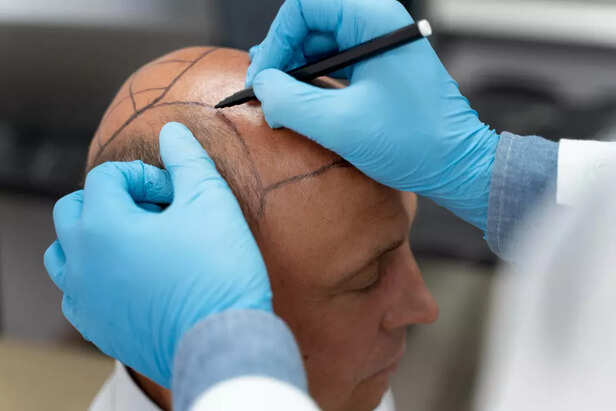
Synthetic hair implants involve inserting artificial hair fibres into the scalp using a specialized medical needle. These fibres are usually made from biocompatible materials designed to mimic the look and feel of natural hair. Each fibre has a tiny loop or knot at the base, which anchors it under the scalp.
Unlike natural hair transplants, no hair follicles are harvested from your body. The procedure does not stimulate hair growth. Instead, it adds visible hair density by physically implanting fibres into the scalp. This makes results instantly noticeable, often within a single session.
The procedure is typically performed under local anesthesia and can take anywhere from two to six hours, depending on the number of fibres implanted. Patients usually resume daily activities within a day or two, which adds to its appeal.
However, since synthetic fibres are foreign materials, the body does not integrate with them the way it does with natural follicles. This difference plays a major role in long-term outcomes and potential complications.
Why People Choose Synthetic Hair Implants
The rising popularity of synthetic hair implants is not accidental. For many individuals, traditional hair transplants are not an option. Some people lack sufficient donor hair, while others have medical conditions that make surgical procedures risky.
One of the biggest reasons people opt for synthetic implants is instant gratification. Natural hair transplants require months of waiting before visible growth appears. Synthetic implants, on the other hand, provide immediate coverage and density.
Cost is another influencing factor. While synthetic implants may seem more affordable initially, the lower entry price attracts individuals who are hesitant to invest heavily upfront.
Additionally, people with advanced baldness, scarring alopecia, or patchy hair loss often find synthetic implants appealing because they do not rely on donor hair availability.
Social media and celebrity endorsements have also played a role. Carefully curated images and testimonials create an impression of simplicity and success, often without highlighting long-term maintenance or medical realities.
Benefits That Make Synthetic Hair Implants Look Attractive
One of the most obvious advantages of synthetic hair implants is instant visual improvement. Patients walk out of the clinic with fuller-looking hair, which can feel life-changing, especially for those who have struggled with hair loss for years.
The procedure is minimally invasive compared to traditional hair transplantation. There is no surgical incision, no stitches, and minimal downtime. This appeals to people with busy lifestyles or fear of surgery.
Synthetic implants also allow for greater control over density and styling in the short term. Hair colour, texture, and volume can be customized according to preference.
For individuals who are not candidates for follicular unit extraction or follicular unit transplantation, synthetic implants may feel like the only available option.
Emotionally, the immediate boost in confidence can be significant. Many patients report feeling more comfortable socially and professionally soon after the procedure.
However, these benefits largely focus on the short-term experience. Long-term implications are where the real evaluation begins.
Side Effects and Health Risks You Should Know
![hair implant aftercare]()
hair implant aftercare
Image credit : Freepik
While clinics often highlight minimal downtime, synthetic hair implants do carry side effects and risks that deserve serious attention.
The most common side effects include scalp irritation, redness, itching, and inflammation. Since synthetic fibres are foreign materials, the immune system may react to them. In some cases, this leads to chronic discomfort.
Infections are a significant risk, especially if aftercare guidelines are not strictly followed. Poor hygiene, excessive sweating, or aggressive scratching can introduce bacteria into the implantation sites.
Another concern is fibre rejection. Over time, the body may push out the synthetic fibres, leading to uneven density and visible gaps. This rejection process can occur gradually and unpredictably.
Scarring is also possible. Repeated implantation sessions can damage scalp tissue, making future hair restoration options limited or impossible.
In rare cases, long-term inflammation can lead to folliculitis or granuloma formation. These conditions require medical intervention and may result in permanent scalp damage.
Most importantly, synthetic hair implants are not approved by several international medical associations due to these long-term risks. This does not mean they are universally unsafe, but it does mean they require careful consideration and professional guidance.
Cost, Maintenance, and Aftercare Reality
At first glance, synthetic hair implants appear cost-effective. Initial sessions are often cheaper than traditional hair transplants. However, the true cost becomes apparent over time.
Synthetic fibres do not last forever. On average, a certain percentage of implanted fibres shed every year. This means regular touch-up sessions are required to maintain appearance.
Maintenance costs include periodic re-implantation, specialized shampoos, medical checkups, and potential treatment for side effects. Over several years, these expenses can exceed the cost of a one-time natural hair transplant.
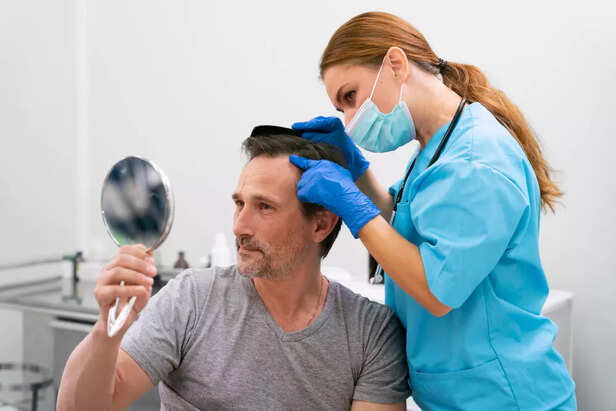
Aftercare is not optional. Patients must follow strict hygiene routines, avoid excessive sweating, and limit exposure to dust and pollution. Activities like swimming, intense workouts, and frequent styling may need to be restricted.
Hair washing techniques also differ. Rough handling can loosen fibres, while improper products can irritate the scalp.
Failure to maintain aftercare can accelerate fibre loss and increase infection risk. This makes synthetic implants a long-term commitment rather than a one-time solution.
Final Verdict Smart Investment or Costly Mistake
So, are synthetic hair implants a smart investment or a costly mistake? The answer depends entirely on expectations, lifestyle, and medical suitability.
For individuals seeking instant cosmetic improvement and who understand the maintenance involved, synthetic hair implants may serve as a temporary confidence booster. They can be useful for special situations such as public-facing professions, short-term aesthetic needs, or cases where natural transplants are not possible.
However, for those looking for a permanent, low-maintenance solution, synthetic hair implants can become financially and medically draining over time. The risks of rejection, infection, and long-term scalp damage cannot be ignored.
Medical experts often recommend synthetic implants only when all other options have been ruled out and always under strict medical supervision.
Before making a decision, consult a qualified dermatologist or hair restoration specialist. Ask about long-term outcomes, not just immediate results. Understand the maintenance commitment fully.
In the end, synthetic hair implants are neither a miracle cure nor an outright mistake. They are a high-maintenance cosmetic choice that demands informed decision-making. When chosen without full awareness, they can quickly turn from a smart investment into a costly regret.
Discover expert advice and the latest updates in
Skin Care,
Hair Care,
Wellness,
Dermatology, and more at
Stay Young guide to lasting beauty and holistic health!