
Can Nanoplastia Really Repair Hair, or Is It Just Clever Marketing?
Tanvi sharma | Jul 25, 2026, 10:00 IST

Nanoplastia: The Hair Transformation Everyone Is Talking About
Image credit : CHATGPT(AI)
Nanoplastia has quickly become one of the most talked about salon hair treatments, with many people calling it a game changer for frizzy, dull, and hard to manage hair. Social media is full of dramatic before and after transformations, and salons often promote it as a treatment that can repair damaged hair. But is it really as effective as it sounds, or are the claims a little exaggerated? Before booking your next salon appointment, it's worth understanding what nanoplastia is, how it works, and what kind of results you can realistically expect.
If you've been scrolling through social media lately, you've probably come across videos of silky, smooth hair after a nanoplastia treatment. The growing salon trend promises softer, shinier, and more manageable hair, making it especially popular among people dealing with frizz and dryness. The treatment uses a blend of amino acids, nourishing ingredients, and heat to smooth the hair and improve its overall appearance. Because of these impressive results, many people believe nanoplastia can repair damaged hair. But is that really true? Understanding how the treatment works can help separate the facts from the marketing and make it easier to decide if it's the right choice for your hair.
![The First Step of a Nanoplastia Treatment]()
Nanoplastia has quickly become one of the most talked about hair treatments, with salons and social media influencers praising it for giving hair a smooth, shiny, and healthy looking finish. If you've spent even a few minutes on Instagram or TikTok, you've probably seen videos showing dramatic before and after results. These transformations have made many people curious, especially those who struggle with frizz, dryness, or hair that feels difficult to manage every day.
The treatment works by using a blend of amino acids, conditioning agents, and nourishing ingredients that are applied to the hair. Heat is then used to help these ingredients coat and smooth the hair strands, leaving them softer, sleeker, and easier to style. Many nanoplastia treatments are also promoted as formaldehyde free, making them an attractive option for people looking for an alternative to some traditional straightening treatments.
Another reason for its popularity is the long lasting effect. Depending on your hair type and how well you care for it afterward, the results can last for several months. Many people notice less frizz, better shine, and shorter styling time after the treatment. While these benefits are real for many users, the growing popularity has also led to bigger claims, including that nanoplastia can "repair" damaged hair. That is where it's important to separate marketing from science and understand what the treatment is actually designed to do.
![Why Nanoplastia Leaves Hair Looking Shinier]()
This is one of the biggest questions people have before getting a nanoplastia treatment. Many salons and online videos describe it as a way to "repair" damaged hair, but the truth is a little more complicated. Hair may look healthier after the treatment, but that does not mean it has healed from the inside.
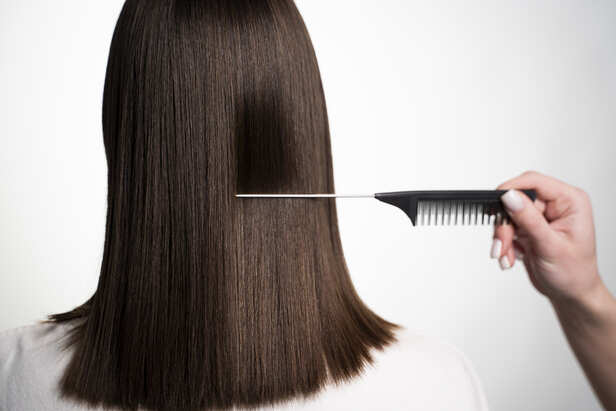
Unlike your skin, hair cannot repair itself once it is damaged. The strands you see are made of dead keratin cells, so they cannot regenerate or fix split ends on their own. What nanoplastia does is smooth the outer layer of the hair, known as the cuticle. This helps reduce frizz, adds shine, and makes the hair feel softer and easier to manage.
That is why many people notice an instant transformation after the treatment. Their hair appears healthier because the surface becomes smoother and reflects more light. However, the treatment does not permanently rebuild broken hair fibres or reverse damage caused by bleaching, excessive heat styling, or chemical treatments. The best way to think about nanoplastia is as a treatment that improves the appearance and feel of the hair rather than one that completely repairs it. Understanding this difference helps set realistic expectations before booking an appointment.
Nanoplastia vs Keratin vs
With so many salon treatments available today, it's easy to get confused about which one does what. Nanoplastia, keratin, and hair Botox all promise smoother and healthier looking hair, but they work in slightly different ways.
Nanoplastia is mainly designed to reduce frizz, improve shine, and make hair easier to manage. It uses amino acids and conditioning ingredients along with heat to smooth the hair. Many formulas are marketed as formaldehyde free, making them a popular choice for people looking for a gentler smoothing treatment.
Keratin treatments also help reduce frizz and straighten hair, but some traditional formulas have been linked to formaldehyde or ingredients that release it during the heating process. Because of this, many people now look for alternatives that may produce fewer fumes during application.
Hair Botox is different from both. Despite its name, it does not contain botulinum toxin. Instead, it is a deep conditioning treatment packed with ingredients such as proteins, vitamins, oils, and moisturising agents that help improve the look and feel of dry or damaged hair. It focuses more on hydration and softness than long lasting straightening.
The right treatment depends on your hair type, your styling goals, and the results you expect. Speaking with an experienced hairstylist can help you choose the option that best suits your hair's needs.
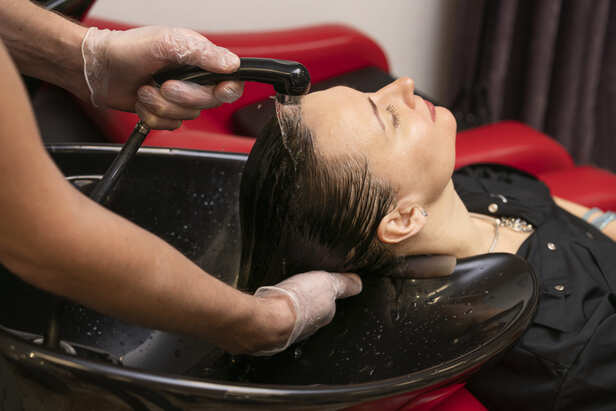
A nanoplastia treatment usually begins with washing the hair using a clarifying shampoo to remove dirt, oil, and product buildup. Once the hair is dry, the treatment is applied section by section and left on for a specific amount of time so the ingredients can coat each strand. The hair is then blow dried and carefully straightened with a flat iron. The heat helps seal the treatment into the hair, creating a smoother and shinier finish.
The entire process can take several hours, depending on the length and thickness of your hair. With proper aftercare, such as using sulphate free shampoos and limiting heat styling, the results can last anywhere from three to six months.
Nanoplastia may be a good choice for people with frizzy, wavy, or hard to manage hair who want a smoother look without spending too much time styling every day. However, if your hair is severely damaged or has been heavily bleached, it's best to speak with a trusted hairstylist first. They can assess your hair's condition and tell you whether the treatment is suitable or if your hair would benefit from a repair focused routine before any chemical service.
Nanoplastia is not a magic fix for damaged hair, but it is not just clever marketing either. It can make hair look smoother, shinier, softer, and much easier to manage, which is why so many people love the results. The key is understanding that these improvements come from smoothing and conditioning the hair rather than permanently repairing it.
If you're thinking about trying nanoplastia, take some time to learn about the treatment, ask questions during your salon consultation, and choose a professional who has experience with it. Healthy hair is built through consistent care, including a balanced diet, gentle styling habits, regular trims, and the right products for your hair type. When paired with realistic expectations, nanoplastia can be a great option for anyone looking to reduce frizz and enjoy smoother, more manageable hair for months.
Discover expert advice and the latest updates in Skin Care, Hair Care, Wellness, Dermatology, and more at Stay Young guide to lasting beauty and holistic health!
Why Is Everyone Talking About Nanoplastia?
The First Step of a Nanoplastia Treatment
Image credit : freepik
Nanoplastia has quickly become one of the most talked about hair treatments, with salons and social media influencers praising it for giving hair a smooth, shiny, and healthy looking finish. If you've spent even a few minutes on Instagram or TikTok, you've probably seen videos showing dramatic before and after results. These transformations have made many people curious, especially those who struggle with frizz, dryness, or hair that feels difficult to manage every day.
The treatment works by using a blend of amino acids, conditioning agents, and nourishing ingredients that are applied to the hair. Heat is then used to help these ingredients coat and smooth the hair strands, leaving them softer, sleeker, and easier to style. Many nanoplastia treatments are also promoted as formaldehyde free, making them an attractive option for people looking for an alternative to some traditional straightening treatments.
Another reason for its popularity is the long lasting effect. Depending on your hair type and how well you care for it afterward, the results can last for several months. Many people notice less frizz, better shine, and shorter styling time after the treatment. While these benefits are real for many users, the growing popularity has also led to bigger claims, including that nanoplastia can "repair" damaged hair. That is where it's important to separate marketing from science and understand what the treatment is actually designed to do.
Can Nanoplastia Really Repair Damaged Hair?
Why Nanoplastia Leaves Hair Looking Shinier
Image credit : freepik
This is one of the biggest questions people have before getting a nanoplastia treatment. Many salons and online videos describe it as a way to "repair" damaged hair, but the truth is a little more complicated. Hair may look healthier after the treatment, but that does not mean it has healed from the inside.
Unlike your skin, hair cannot repair itself once it is damaged. The strands you see are made of dead keratin cells, so they cannot regenerate or fix split ends on their own. What nanoplastia does is smooth the outer layer of the hair, known as the cuticle. This helps reduce frizz, adds shine, and makes the hair feel softer and easier to manage.
That is why many people notice an instant transformation after the treatment. Their hair appears healthier because the surface becomes smoother and reflects more light. However, the treatment does not permanently rebuild broken hair fibres or reverse damage caused by bleaching, excessive heat styling, or chemical treatments. The best way to think about nanoplastia is as a treatment that improves the appearance and feel of the hair rather than one that completely repairs it. Understanding this difference helps set realistic expectations before booking an appointment.
Nanoplastia vs Keratin vs Hair Botox : What's the Difference?
With so many salon treatments available today, it's easy to get confused about which one does what. Nanoplastia, keratin, and hair Botox all promise smoother and healthier looking hair, but they work in slightly different ways.
Nanoplastia is mainly designed to reduce frizz, improve shine, and make hair easier to manage. It uses amino acids and conditioning ingredients along with heat to smooth the hair. Many formulas are marketed as formaldehyde free, making them a popular choice for people looking for a gentler smoothing treatment.
Keratin treatments also help reduce frizz and straighten hair, but some traditional formulas have been linked to formaldehyde or ingredients that release it during the heating process. Because of this, many people now look for alternatives that may produce fewer fumes during application.
Hair Botox is different from both. Despite its name, it does not contain botulinum toxin. Instead, it is a deep conditioning treatment packed with ingredients such as proteins, vitamins, oils, and moisturising agents that help improve the look and feel of dry or damaged hair. It focuses more on hydration and softness than long lasting straightening.
The right treatment depends on your hair type, your styling goals, and the results you expect. Speaking with an experienced hairstylist can help you choose the option that best suits your hair's needs.
What Happens During a Nanoplastia Treatment, and Is It Right for You?
A nanoplastia treatment usually begins with washing the hair using a clarifying shampoo to remove dirt, oil, and product buildup. Once the hair is dry, the treatment is applied section by section and left on for a specific amount of time so the ingredients can coat each strand. The hair is then blow dried and carefully straightened with a flat iron. The heat helps seal the treatment into the hair, creating a smoother and shinier finish.
The entire process can take several hours, depending on the length and thickness of your hair. With proper aftercare, such as using sulphate free shampoos and limiting heat styling, the results can last anywhere from three to six months.
Nanoplastia may be a good choice for people with frizzy, wavy, or hard to manage hair who want a smoother look without spending too much time styling every day. However, if your hair is severely damaged or has been heavily bleached, it's best to speak with a trusted hairstylist first. They can assess your hair's condition and tell you whether the treatment is suitable or if your hair would benefit from a repair focused routine before any chemical service.
Healthy Hair Starts with Realistic Expectations
Nanoplastia is not a magic fix for damaged hair, but it is not just clever marketing either. It can make hair look smoother, shinier, softer, and much easier to manage, which is why so many people love the results. The key is understanding that these improvements come from smoothing and conditioning the hair rather than permanently repairing it.
If you're thinking about trying nanoplastia, take some time to learn about the treatment, ask questions during your salon consultation, and choose a professional who has experience with it. Healthy hair is built through consistent care, including a balanced diet, gentle styling habits, regular trims, and the right products for your hair type. When paired with realistic expectations, nanoplastia can be a great option for anyone looking to reduce frizz and enjoy smoother, more manageable hair for months.
Discover expert advice and the latest updates in Skin Care, Hair Care, Wellness, Dermatology, and more at Stay Young guide to lasting beauty and holistic health!