
How Holi Colors Affect Your Hair and Scalp Health
Vaishnavi Mall | Feb 27, 2026, 11:00 IST

After Holi Celebrations
Image credit : Freepik
Despite being a celebration of happiness, color, and excitement, Holi can have a subtle effect on your scalp and hair. After experimenting with color, many people experience dryness, frizz, irritation, or even hair loss. The majority of Holi powders contain harsh chemicals that are not intended for touch with the hair or scalp, which is typically why this occurs. The harm worsens when these hues combine with perspiration and exposure to the sun. This article describes the effects of Holi colors on hair health, the issues they raise, and how easy maintenance can lessen long-term harm.
Nobody considers hair care during Holi. We emphasize joy, laughter, and savoring the present. However, many people suffer from tangled hair, scratchy hair, and an itchy scalp once the festival is over. When they notice more hair falling out than usual when washing their hair, some people even become alarmed. The colors we use and the way we handle our hair thereafter are the true problems, not the festival itself. Chemical pigments and synthetic powders have the potential to damage hair strands and upset the scalp's natural equilibrium. Knowing how this damage occurs will help you better protect your hair in the future.
![Chemical Holi]()
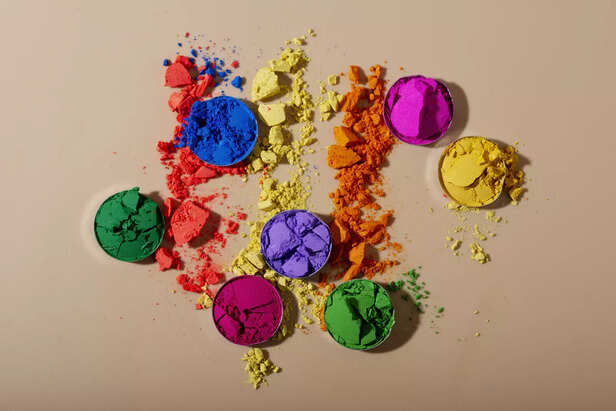
A large number of Holi colors that are offered in marketplaces are not intended for cosmetic purposes. Some contain harsh materials that were originally intended for use in paint or textiles, such as artificial pigments and industrial dyes. These substances are too potent for the hair and scalp. The scalp produces natural oils that keep hair healthy. Each strand is shielded by these lubricants, which maintain its flexibility and smoothness. Chemical colors start to remove this protective layer from the scalp and hair after hours of exposure. Hair becomes harsh and dry in the absence of natural oils. Instead of feeling soft, it begins to seem hard. Strands become less shiny and have more frizz. The damage may be significantly more apparent if the hair has already been chemically treated or dried. Additionally, some colors have tiny particles that adhere firmly to hair shafts. Hair feels dull and heavy due to these particles. It frequently takes several washes to get rid of them, which increases the dryness. If this trend persists year after year without correct maintenance, hair may eventually weaken and become more brittle.
How Holi Colors Trigger
Many people have hair loss after Holi. A small amount of hair loss is common, but too much might be concerning. Sweat, grease, and dust combine with colors during Holi. The scalp is where this combination settles. Hair grows from microscopic holes in the scalp known as hair follicles. The roots may weaken if dirt and pigment particles obstruct these follicles. Temporary inflammation may be caused by blocked follicles. Hair roots are not adequately supported when the scalp is inflamed. As a result, when combing or washing, more hair may fall out. Aggressive washing is another factor contributing to hair loss. In a panic, a lot of people repeatedly employ powerful shampoos to get rid of tough hues. Some even give their scalps a thorough cleaning. This harsh treatment exacerbates root stress and hair breakage. It's crucial to realize that the majority of hair loss associated with Holi is transient. However, the damage may take longer to heal if the scalp is frequently subjected to harsh washing techniques and chemicals.
![Scalp Irritation]()
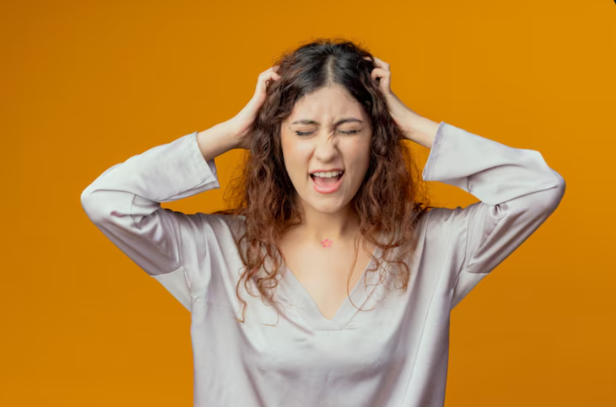
Like the skin on your face, the scalp is made of skin. Chemicals can irritate your scalp just as easily as they do your face. Many people complain about burning or itching on their scalps after playing Holi. Usually, this occurs as a result of synthetic dyes irritating the delicate skin on the head. During outdoor festivities, exposure to the sun may exacerbate the irritation. Redness, itching, tiny pimples, and flakes that resemble dandruff are typical symptoms. Touching the scalp may even cause some people to feel tender. The scalp becomes painful and unhealthy when it is irritated. Itching that causes constant scratching can result in minor wounds. The risk of infection is increased by these little wounds. Extra caution should be taken by those who already have psoriasis, dandruff, or sensitive scalp diseases. A reaction might be set off by even a tiny bit of intense color. Ignoring scalp inflammation might result in persistent discomfort and dryness. For this reason, it's crucial to take gentle care of yourself after Holi.
Post
![Post Holi Hair Care]()
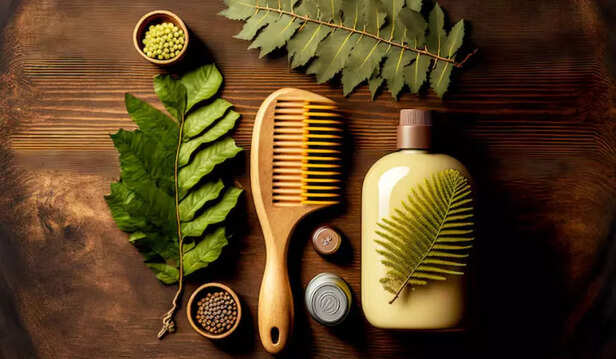
After Holi, your actions can either prevent further damage to your hair or prevent it from getting worse. One typical error is washing hair with extremely hot water. Hot water exacerbates dryness by removing any leftover natural oils. Additionally, it may aggravate the scalp even more. Over-washing is another error. To get rid of color fast, some people shampoo their hair three or four times in a single day. This weakens hair strands and entirely strips the scalp. Immediately following Holi, using powerful clarifying shampoos may exacerbate roughness. Chemically damaged hair should be cleaned gently rather than harshly. Another problem is skipping conditioner. Conditioner smoothes the hair cuticle and helps replenish moisture. Hair stays frizzy and twisted without it. Before playing Holi, a lot of people also neglect to grease their hair. In order to prevent colors from adhering deeply to the scalp and hair shaft, oil is used prior to create a protective layer. Deep conditioning or a gentle hair mask will help restore some of the dryness after Holi. Using a wide-toothed comb to gently detangle prevents damage. Little actions like using lukewarm water, a gentle shampoo, appropriate conditioning, and refraining from heat styling for a few days can have a significant impact.
Discover expert advice and the latest updates in Skin Care, Hair Care, Wellness, Dermatology, and more at Stay Young guide to lasting beauty and holistic health!
1. Can Holi colors permanently damage hair?
In most cases, the damage is temporary. Hair may feel dry or rough for a few days. However, repeated exposure to harsh chemical colors without proper care can weaken hair over time.
2. Why does hair fall increase after Holi?
Hair fall may increase because color particles block hair follicles and irritate the scalp. Aggressive washing and scrubbing to remove colors can also cause breakage and temporary shedding.
3. How can I protect my hair before playing Holi?
Applying coconut oil or any hair oil before stepping out creates a protective layer. Tying your hair properly and covering it with a scarf or cap can also reduce direct exposure to colors.
4. What is the safest way to wash hair after Holi?
Use lukewarm water and a mild shampoo. Avoid using very hot water or washing multiple times in one day. Follow with a good conditioner to restore moisture.
5. Who is more likely to experience scalp irritation after Holi?
People with sensitive scalp, dandruff, psoriasis, or chemically treated hair are more likely to experience itching, redness, or dryness after exposure to synthetic colors.
Chemical Ingredients That Strip Natural Oils
Chemical Holi
Image credit : Freepik
A large number of Holi colors that are offered in marketplaces are not intended for cosmetic purposes. Some contain harsh materials that were originally intended for use in paint or textiles, such as artificial pigments and industrial dyes. These substances are too potent for the hair and scalp. The scalp produces natural oils that keep hair healthy. Each strand is shielded by these lubricants, which maintain its flexibility and smoothness. Chemical colors start to remove this protective layer from the scalp and hair after hours of exposure. Hair becomes harsh and dry in the absence of natural oils. Instead of feeling soft, it begins to seem hard. Strands become less shiny and have more frizz. The damage may be significantly more apparent if the hair has already been chemically treated or dried. Additionally, some colors have tiny particles that adhere firmly to hair shafts. Hair feels dull and heavy due to these particles. It frequently takes several washes to get rid of them, which increases the dryness. If this trend persists year after year without correct maintenance, hair may eventually weaken and become more brittle.
How Holi Colors Trigger Hair Fall
Scalp Irritation and Inflammation
Scalp Irritation
Image credit : Freepik
Like the skin on your face, the scalp is made of skin. Chemicals can irritate your scalp just as easily as they do your face. Many people complain about burning or itching on their scalps after playing Holi. Usually, this occurs as a result of synthetic dyes irritating the delicate skin on the head. During outdoor festivities, exposure to the sun may exacerbate the irritation. Redness, itching, tiny pimples, and flakes that resemble dandruff are typical symptoms. Touching the scalp may even cause some people to feel tender. The scalp becomes painful and unhealthy when it is irritated. Itching that causes constant scratching can result in minor wounds. The risk of infection is increased by these little wounds. Extra caution should be taken by those who already have psoriasis, dandruff, or sensitive scalp diseases. A reaction might be set off by even a tiny bit of intense color. Ignoring scalp inflammation might result in persistent discomfort and dryness. For this reason, it's crucial to take gentle care of yourself after Holi.
Post Holi Hair Care Mistakes
Post Holi Hair Care
Image credit : Freepik
After Holi, your actions can either prevent further damage to your hair or prevent it from getting worse. One typical error is washing hair with extremely hot water. Hot water exacerbates dryness by removing any leftover natural oils. Additionally, it may aggravate the scalp even more. Over-washing is another error. To get rid of color fast, some people shampoo their hair three or four times in a single day. This weakens hair strands and entirely strips the scalp. Immediately following Holi, using powerful clarifying shampoos may exacerbate roughness. Chemically damaged hair should be cleaned gently rather than harshly. Another problem is skipping conditioner. Conditioner smoothes the hair cuticle and helps replenish moisture. Hair stays frizzy and twisted without it. Before playing Holi, a lot of people also neglect to grease their hair. In order to prevent colors from adhering deeply to the scalp and hair shaft, oil is used prior to create a protective layer. Deep conditioning or a gentle hair mask will help restore some of the dryness after Holi. Using a wide-toothed comb to gently detangle prevents damage. Little actions like using lukewarm water, a gentle shampoo, appropriate conditioning, and refraining from heat styling for a few days can have a significant impact.
Discover expert advice and the latest updates in Skin Care, Hair Care, Wellness, Dermatology, and more at Stay Young guide to lasting beauty and holistic health!
Frequently Asked Question (FAQs)
In most cases, the damage is temporary. Hair may feel dry or rough for a few days. However, repeated exposure to harsh chemical colors without proper care can weaken hair over time.
2. Why does hair fall increase after Holi?
Hair fall may increase because color particles block hair follicles and irritate the scalp. Aggressive washing and scrubbing to remove colors can also cause breakage and temporary shedding.
3. How can I protect my hair before playing Holi?
Applying coconut oil or any hair oil before stepping out creates a protective layer. Tying your hair properly and covering it with a scarf or cap can also reduce direct exposure to colors.
4. What is the safest way to wash hair after Holi?
Use lukewarm water and a mild shampoo. Avoid using very hot water or washing multiple times in one day. Follow with a good conditioner to restore moisture.
5. Who is more likely to experience scalp irritation after Holi?
People with sensitive scalp, dandruff, psoriasis, or chemically treated hair are more likely to experience itching, redness, or dryness after exposure to synthetic colors.