
Why Holi Colors Cause Skin Irritation and Breakouts
Vaishnavi Mall | Feb 27, 2026, 10:00 IST

Holi Celebrations
Image credit : Freepik
Holi is a celebration of joy, color, and fun. However, the same vibrant powders that brighten your day can subtly damage your skin. After participating in Holi, many people experience redness, itching, rashes, or unexpected breakouts. This occurs because harsh chemicals found in synthetic hues frequently upset the skin's natural equilibrium. The damage is exacerbated when combined with perspiration, heat, and sunlight. This article describes the common faults that exacerbate the problem and why Holi colors cause inflammation and acne.
One of the most popular festivals is Holi, and nobody wants to celebrate with skin concerns. Nevertheless, after experimenting with colors, a lot of individuals complain each year of burning, itching, or acne. Some even get painful or swollen rashes. The event itself is usually not the issue, but rather the colors chosen and the subsequent care of our skin. Synthetic colors can cause irritation and breakouts by disrupting the skin's barrier and obstructing pores. You can better safeguard your skin the next time if you know the true causes of this reaction.
Harmful Chemicals in Synthetic
![Harmful Chemicals]()
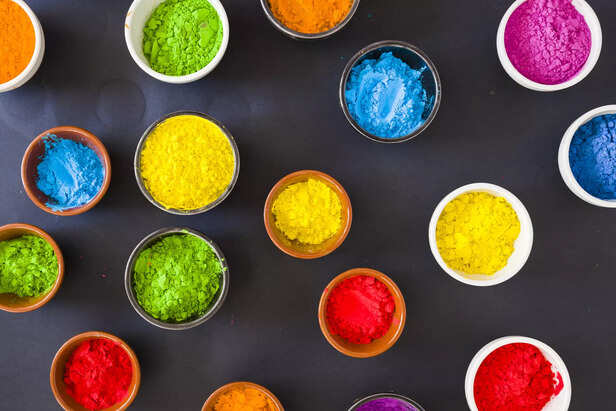
There are a lot of Holi colors on the market that are not intended for cosmetic purposes. Some include synthetic colors, industrial dyes, and even trace amounts of heavy metals. These materials should not come into direct touch with human skin; instead, they are intended for use in paint or textiles. These substances disrupt the skin barrier when they come into touch with the face and body. The outermost layer of defense that keeps moisture within and dangerous substances outside is called the skin barrier. The skin becomes reactive and sensitive if this layer is compromised. This explains why playing Holi frequently causes people to feel red, itchy, and burned. Sometimes the effect takes many hours to manifest. Because they could have stronger pigments, the brighter hues—particularly dark green, purple, and metallic tend to irritate more. To add luster, these powders are frequently combined with silica or mica, which is another issue. These microscopic particles can cause microscopic scrapes on the skin, increasing its susceptibility to inflammation and infection.
After Holi, breakouts are extremely common, particularly in teenagers and those with oily or acne-prone skin. Pore obstruction is the primary cause. The heat and excitement of playing Holi causes your skin to produce more oil and sweat. This greasy surface is where the dry color powder adheres. Layers of color accumulate on your face as you play. These particles become deeply embedded in pores. Sebaceous glands secrete oil through tiny holes called pores. Bacteria start to develop inside them when they are obstructed by colored particles that have been combined with perspiration and dirt. This causes inflammation, which manifests as painful cystic acne, whiteheads, or pimples. Many people use soap or scrubs to rub their skin vigorously in an attempt to erase pigment. This merely exacerbates the problem. Rubbing too vigorously aggravates the skin and causes debris to enter pores more deeply. Due of the skin's increased inflammation following Holi, acne can rapidly worsen if you already have it. The likelihood of subsequent breakouts is increased by the additional stress caused by chemicals and friction.
Allergic Reactions and
![Dermatitis After Holi]()
Not all reactions result in acne. Regular breakouts are not the same as allergic responses, which some people suffer. Strong skin reactions to substances might result in allergic contact dermatitis. Synthetic dyes and color preservatives can cause Holi. Swelling, severe itching, patchy redness, and tiny blisters packed with fluid are possible symptoms of the reaction. This issue is particularly common in those with sensitive skin types. Individuals who already suffer from rosacea, eczema, or recurrent allergies should exercise special caution. A tiny bit of intense color might be uncomfortable. Sometimes the reaction extends beyond the region where the pigment was applied. For instance, redness may also emerge around the neck or ears if color is applied to the face. Additionally, exposure to the sun during Holi may intensify allergy symptoms. Inflammation intensifies when already sensitive skin is exposed to intense sunlight. Dark spots or permanent pigmentation may result from this. It could be important to seek medical treatment if the burning or swelling does not go away after a day. Deeper skin damage may result from ignoring serious symptoms.
Post
![Skin Care Mistakes]()
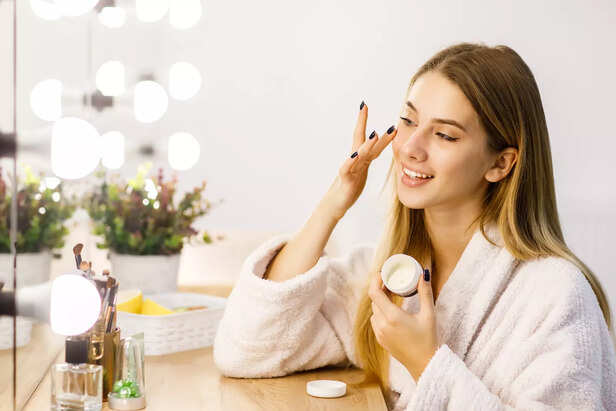
Just as important as what occurs during the celebration is what you do following Holi. Common aftercare errors exacerbate a lot of skin issues. Using really hot water to erase colors is a typical error. The skin barrier is further weakened by hot water, which removes natural oils. The skin becomes tight and dry as a result. Using harsh face cleansers or strong soaps repeatedly is another error. People frequently feel compelled to repeatedly wash their faces until the color totally disappears. Excessive washing can exacerbate acne by irritating the skin and increasing oil production. It is also dangerous to scrub the skin vigorously with brushes, loofahs, or DIY scrubs. Chemicals and sun exposure already put stress on the skin. Inflammation and micro tears might result from rough exfoliation. Another problem is not using moisturizer. Hydration is necessary for the skin to heal itself after color removal. Dryness worsens and the barrier takes longer to recover if you don't adequately moisturize.
The next day, a lot of folks also forget to wear sunscreen. The skin becomes more vulnerable to sunlight after Holi. Pigmentation and irritation may worsen in the absence of protection. The likelihood of long-term damage can be decreased by gentle cleaning, enough hydration, and sun protection.
Discover expert advice and the latest updates in Skin Care, Hair Care, Wellness, Dermatology, and more at Stay Young guide to lasting beauty and holistic health!
1. Can Holi colors really cause acne?
Yes, Holi colors can trigger acne, especially if they contain synthetic dyes and fine particles. When mixed with sweat and oil, these particles clog pores and create the right environment for bacterial growth, which leads to pimples and breakouts.
2. How long does skin irritation from Holi colors last?
Mild irritation like redness or itching usually settles within a few days if proper care is taken. However, allergic reactions or severe breakouts may last longer and might need medical treatment.
3. Are herbal or organic Holi colors safer for the skin?
Herbal or organic colors are generally safer because they are made from natural ingredients. However, it is still important to check the ingredients and do a patch test, especially if you have sensitive skin.
4. What is the safest way to remove Holi colors from the face?
Use lukewarm water and a mild cleanser. Avoid scrubbing or using harsh soaps. After cleansing, apply a gentle moisturizer to restore hydration and support the skin barrier.
5. Who is more likely to experience skin problems after Holi?
People with sensitive skin, acne prone skin, eczema, or existing skin conditions are more likely to experience irritation and breakouts. Those who have recently undergone skin treatments should also be extra careful.
Harmful Chemicals in Synthetic Holi Colors
Harmful Chemicals
Image credit : Freepik
There are a lot of Holi colors on the market that are not intended for cosmetic purposes. Some include synthetic colors, industrial dyes, and even trace amounts of heavy metals. These materials should not come into direct touch with human skin; instead, they are intended for use in paint or textiles. These substances disrupt the skin barrier when they come into touch with the face and body. The outermost layer of defense that keeps moisture within and dangerous substances outside is called the skin barrier. The skin becomes reactive and sensitive if this layer is compromised. This explains why playing Holi frequently causes people to feel red, itchy, and burned. Sometimes the effect takes many hours to manifest. Because they could have stronger pigments, the brighter hues—particularly dark green, purple, and metallic tend to irritate more. To add luster, these powders are frequently combined with silica or mica, which is another issue. These microscopic particles can cause microscopic scrapes on the skin, increasing its susceptibility to inflammation and infection.
How Holi Colors Clog Pores and Trigger Acne
Allergic Reactions and Contact Dermatitis

Dermatitis After Holi
Image credit : Freepik
Not all reactions result in acne. Regular breakouts are not the same as allergic responses, which some people suffer. Strong skin reactions to substances might result in allergic contact dermatitis. Synthetic dyes and color preservatives can cause Holi. Swelling, severe itching, patchy redness, and tiny blisters packed with fluid are possible symptoms of the reaction. This issue is particularly common in those with sensitive skin types. Individuals who already suffer from rosacea, eczema, or recurrent allergies should exercise special caution. A tiny bit of intense color might be uncomfortable. Sometimes the reaction extends beyond the region where the pigment was applied. For instance, redness may also emerge around the neck or ears if color is applied to the face. Additionally, exposure to the sun during Holi may intensify allergy symptoms. Inflammation intensifies when already sensitive skin is exposed to intense sunlight. Dark spots or permanent pigmentation may result from this. It could be important to seek medical treatment if the burning or swelling does not go away after a day. Deeper skin damage may result from ignoring serious symptoms.
Post Holi Skin Care Mistakes That Worsen Breakouts
Skin Care Mistakes
Image credit : Freepik
Just as important as what occurs during the celebration is what you do following Holi. Common aftercare errors exacerbate a lot of skin issues. Using really hot water to erase colors is a typical error. The skin barrier is further weakened by hot water, which removes natural oils. The skin becomes tight and dry as a result. Using harsh face cleansers or strong soaps repeatedly is another error. People frequently feel compelled to repeatedly wash their faces until the color totally disappears. Excessive washing can exacerbate acne by irritating the skin and increasing oil production. It is also dangerous to scrub the skin vigorously with brushes, loofahs, or DIY scrubs. Chemicals and sun exposure already put stress on the skin. Inflammation and micro tears might result from rough exfoliation. Another problem is not using moisturizer. Hydration is necessary for the skin to heal itself after color removal. Dryness worsens and the barrier takes longer to recover if you don't adequately moisturize.
The next day, a lot of folks also forget to wear sunscreen. The skin becomes more vulnerable to sunlight after Holi. Pigmentation and irritation may worsen in the absence of protection. The likelihood of long-term damage can be decreased by gentle cleaning, enough hydration, and sun protection.
Discover expert advice and the latest updates in Skin Care, Hair Care, Wellness, Dermatology, and more at Stay Young guide to lasting beauty and holistic health!
Frequently Asked Question (FAQs)
Yes, Holi colors can trigger acne, especially if they contain synthetic dyes and fine particles. When mixed with sweat and oil, these particles clog pores and create the right environment for bacterial growth, which leads to pimples and breakouts.
2. How long does skin irritation from Holi colors last?
Mild irritation like redness or itching usually settles within a few days if proper care is taken. However, allergic reactions or severe breakouts may last longer and might need medical treatment.
3. Are herbal or organic Holi colors safer for the skin?
Herbal or organic colors are generally safer because they are made from natural ingredients. However, it is still important to check the ingredients and do a patch test, especially if you have sensitive skin.
4. What is the safest way to remove Holi colors from the face?
Use lukewarm water and a mild cleanser. Avoid scrubbing or using harsh soaps. After cleansing, apply a gentle moisturizer to restore hydration and support the skin barrier.
5. Who is more likely to experience skin problems after Holi?
People with sensitive skin, acne prone skin, eczema, or existing skin conditions are more likely to experience irritation and breakouts. Those who have recently undergone skin treatments should also be extra careful.