
How To Cover Grey Hair Naturally Without Chemicals
Noopur Kumari | May 15, 2026, 10:00 IST

Natural hair colouring
Image credit : CHATGPT(AI)
Natural hair colouring is becoming a major beauty trend as people look for safer alternatives to chemical dyes. Ingredients like henna, coffee, black tea, beetroot, and amla can help enhance natural hair colour while improving shine and hair health. Though results are softer and slower than chemical dyes, regular use may help cover greys naturally and strengthen hair over time without harsh side effects.
What if the secret to beautiful hair colour was already sitting inside your kitchen? For years, people have relied on chemical dyes for instant colour transformation. But hidden behind those quick results are often dryness, hair damage, irritation, and weakening roots. That is why more people are now returning to natural hair colouring methods that not only add colour but also nourish the hair deeply.
Ingredients like henna, coffee, black tea, beetroot, and amla are gaining popularity once again because they offer gentle care, along with natural shine and softness that many chemical products cannot.
![Damaged hair strands beside chemical dye products]()
Chemical hair dyes may provide instant colour, but frequent use can sometimes leave hair dry, rough, and weakened. Many people also experience scalp irritation, hair fall, or loss of natural shine after repeated colouring treatments. As awareness around hair health grows, natural colouring methods are becoming increasingly popular. Instead of forcing dramatic colour changes, natural ingredients work more gently by enhancing the hair’s existing tone while nourishing it at the same time. This slower approach appeals to people who want healthier-looking hair without exposing it repeatedly to strong chemicals and artificial colouring agents.
![Henna, coffee, beetroot, black tea, and amla]()
Several traditional ingredients are widely used for natural hair colouring. Henna gives hair a rich reddish-brown tint while strengthening the strands. Coffee adds soft brown tones and natural shine. Black tea deepens darker shades and improves richness in hair colour. Beetroot creates subtle burgundy or reddish hues, while amla helps naturally darken hair and boost shine. What makes these ingredients special is that they not only colour hair but also provide nourishment. Many people notice softer texture and healthier-looking hair after consistent natural colouring treatments over time.
![Homemade natural hair dye paste in a bowl]()
Preparing natural hair colour requires patience more than complexity. Mix henna with warm water, tea, or coffee until it forms a smooth paste. For deeper colour, add amla powder or extra coffee to the mixture. Let the paste rest for several hours so the natural pigments release properly. Once ready, apply the mixture evenly from roots to tips on clean, dry hair. Leave it on for one to three hours depending on the desired intensity. Rinse thoroughly using water and avoid shampoo immediately after application for better colour absorption and longer-lasting results.
One important thing people should understand is that natural hair colouring works differently from chemical dye. Instead of creating dramatic overnight transformation, natural ingredients gradually enhance existing hair colour with softer tones and healthier shine. The results also vary depending on natural hair colour, texture, and consistency of use. Some people notice subtle highlights while others see richer darker shades over time. This slower process is actually one reason many people prefer natural methods today. The focus shifts from aggressive colour change toward healthier, nourished, and naturally beautiful hair that improves gradually with regular care.
The growing popularity of natural beauty routines reflects a bigger shift in how people think about self-care today. Many consumers are now prioritising long-term health over quick cosmetic results. Natural hair colouring fits perfectly into this mindset because it combines beauty with nourishment. Social media has also played a major role in reviving traditional ingredients like henna and amla. People increasingly share homemade recipes and healthy hair routines online, inspiring others to try gentler alternatives. What once seemed old-fashioned is now becoming a modern wellness trend focused on simplicity, patience, and sustainable beauty practices.
Discover expert advice and the latest updates in Skin Care, Hair Care, Wellness, Dermatology, and more at Stay Young guide to lasting beauty and holistic health!
Ingredients like henna, coffee, black tea, beetroot, and amla are gaining popularity once again because they offer gentle care, along with natural shine and softness that many chemical products cannot.
Why More People Are Avoiding Chemical Hair Dyes

Damaged hair strands beside chemical dye products
Image credit : FREEPIK
Chemical hair dyes may provide instant colour, but frequent use can sometimes leave hair dry, rough, and weakened. Many people also experience scalp irritation, hair fall, or loss of natural shine after repeated colouring treatments. As awareness around hair health grows, natural colouring methods are becoming increasingly popular. Instead of forcing dramatic colour changes, natural ingredients work more gently by enhancing the hair’s existing tone while nourishing it at the same time. This slower approach appeals to people who want healthier-looking hair without exposing it repeatedly to strong chemicals and artificial colouring agents.
The Natural Ingredients That Add Colour And Shine

Henna, coffee, beetroot, black tea, and amla
Image credit : FREEPIK
Several traditional ingredients are widely used for natural hair colouring. Henna gives hair a rich reddish-brown tint while strengthening the strands. Coffee adds soft brown tones and natural shine. Black tea deepens darker shades and improves richness in hair colour. Beetroot creates subtle burgundy or reddish hues, while amla helps naturally darken hair and boost shine. What makes these ingredients special is that they not only colour hair but also provide nourishment. Many people notice softer texture and healthier-looking hair after consistent natural colouring treatments over time.
How To Prepare Natural Hair Dye At Home
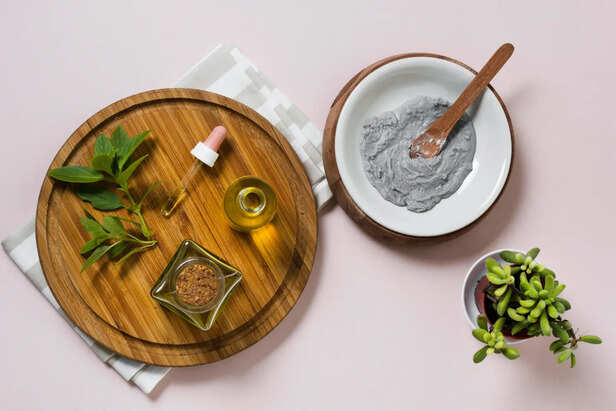
Homemade natural hair dye paste in a bowl
Image credit : FREEPIK
Preparing natural hair colour requires patience more than complexity. Mix henna with warm water, tea, or coffee until it forms a smooth paste. For deeper colour, add amla powder or extra coffee to the mixture. Let the paste rest for several hours so the natural pigments release properly. Once ready, apply the mixture evenly from roots to tips on clean, dry hair. Leave it on for one to three hours depending on the desired intensity. Rinse thoroughly using water and avoid shampoo immediately after application for better colour absorption and longer-lasting results.
Why Natural Colour Looks Different From Chemical Dye
Why This Slow Beauty Trend Is Growing Rapidly
Discover expert advice and the latest updates in Skin Care, Hair Care, Wellness, Dermatology, and more at Stay Young guide to lasting beauty and holistic health!