
Should You Oil Your Hair in Monsoon? Experts Reveal
Noopur Kumari | Jul 16, 2026, 10:01 IST

Hair in Monsoon
Image credit : FREEPIK
Hair oiling is known for nourishing dry hair and improving shine, but monsoon changes everything. Increased humidity, sweat, and damp conditions can trap moisture on the scalp, leading to itching, dandruff, and even hair fall if oil is left on too long. Experts say you do not need to stop oiling completely. Instead, changing how and when you oil your hair can help protect both your scalp and your strands throughout the rainy season.
For many people, oiling their hair is a weekly ritual they never skip. It promises softer strands, less frizz, and healthier hair. But what if this trusted habit is quietly working against your scalp during the rainy season? As humidity rises and sweat increases, the same hair oil that protects your hair may also create the perfect environment for scalp problems. Before your next oil massage, here's what experts want you to know.
![Woman Standing Outdoors During Rainy Weather]()
The rainy season creates a warm and humid environment where sweat and moisture remain trapped on the scalp for longer periods. When thick layers of oil are added, the scalp may struggle to stay clean and balanced. This combination can encourage fungal and bacterial growth, especially in people with naturally oily skin. Instead of nourishing the scalp, excessive oil during monsoon may increase irritation and contribute to unhealthy hair conditions if proper hygiene is ignored.
Why
![Hair Strands on a Hairbrush]()
Many people notice more hair fall during the rainy season and immediately blame the weather alone. However, leaving oil on the scalp for several hours or overnight may worsen the problem. Excess oil traps dirt, sweat, and dead skin cells around hair follicles, increasing the risk of dandruff and inflammation. An unhealthy scalp environment can weaken hair roots, making hair more likely to shed during washing or brushing.
Experts recommend changing your oiling routine instead of giving it up completely. Focus on applying oil mainly to the middle and ends of your hair rather than soaking the scalp. If you massage the scalp, use only a small amount and wash it off within one or two hours. This method provides moisture, controls frizz, and adds shine without allowing oil and humidity to build up on the scalp.
Healthy hair begins with a healthy scalp. During monsoon, washing your hair regularly with a mild shampoo helps remove sweat, excess oil, and dirt before they clog hair follicles. If your hair gets wet in the rain, dry your scalp completely instead of leaving it damp for hours. Maintaining scalp cleanliness reduces the chances of dandruff, itching, unpleasant odour, and unnecessary hair fall throughout the season.
Simple hygiene habits can protect your scalp more than many expensive products. Avoid sharing combs, towels, or hair accessories with others, as they can spread bacteria and fungi. Wash pillowcases regularly and keep your hairbrush clean. If you exercise or sweat heavily, avoid leaving sweat on your scalp for long periods. These everyday practices help maintain a healthier scalp and reduce the risk of irritation during humid weather.
Hair oiling continues to offer several benefits when done correctly. Coconut oil helps reduce protein loss and keeps hair hydrated, while almond oil may protect hair from sun damage. Natural oils also improve shine, reduce frizz, and temporarily smooth split ends. The key is moderation. Using the right amount at the right time allows you to enjoy these benefits without creating unnecessary scalp problems during monsoon.
The biggest mistake is believing that more oil always means healthier hair. During monsoon, balance matters far more than quantity. Oil your hair wisely, wash it out on time, keep your scalp clean, and dry your hair thoroughly after getting caught in the rain. These simple changes can help reduce hair fall, prevent scalp irritation, and keep your hair healthy throughout the season. Healthy hair begins with caring for the scalp, not just the strands.
Discover expert advice and the latest updates in Skin Care, Hair Care, Wellness, Dermatology, and more at Stay Young guide to lasting beauty and holistic health!
Humidity Changes Everything

Woman Standing Outdoors During Rainy Weather
Image credit : FREEPIK
The rainy season creates a warm and humid environment where sweat and moisture remain trapped on the scalp for longer periods. When thick layers of oil are added, the scalp may struggle to stay clean and balanced. This combination can encourage fungal and bacterial growth, especially in people with naturally oily skin. Instead of nourishing the scalp, excessive oil during monsoon may increase irritation and contribute to unhealthy hair conditions if proper hygiene is ignored.
Why Hair Fall May Increase
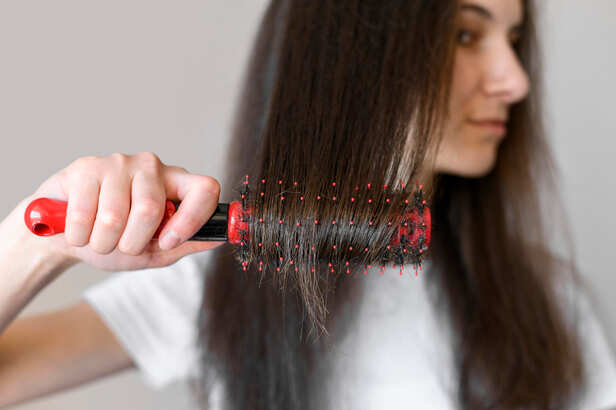
Hair Strands on a Hairbrush
Image credit : FREEPIK
Many people notice more hair fall during the rainy season and immediately blame the weather alone. However, leaving oil on the scalp for several hours or overnight may worsen the problem. Excess oil traps dirt, sweat, and dead skin cells around hair follicles, increasing the risk of dandruff and inflammation. An unhealthy scalp environment can weaken hair roots, making hair more likely to shed during washing or brushing.
The Right Way to Oil Hair
Clean Scalp Matters More
Small Habits Make a Big Difference
Hair Oiling Still Has Benefits
Balance Is the Real Secret
Discover expert advice and the latest updates in Skin Care, Hair Care, Wellness, Dermatology, and more at Stay Young guide to lasting beauty and holistic health!